Direct Industry: The move to eco-friendly cosmetics

As smaller cosmetics brands have focused on making more sustainable and environmentally friendly products, major brands in the industry are also taking similar steps.
Dr. KP Ananth, professor and director of the Cosmetic Science Program at the University of Cincinnati's James L. Winkle College of Pharmacy, said there has been a concerted effort in the industry over the last decade to move toward ingredients, processes and packaging that is more environmentally friendly.
"They are actively working towards getting to a greener world and these actions are further fuelled by changes in the global regulatory framework and the consumer demand for greener and sustainable products," he told Direct Industry Magazine.
Ananth said he is optimistic about where the industry is headed in this area, as bio-sourced ingredients become more popular and bio-based plastics help reduce waste issues that arise when using conventional plastics for packaging.
"For water-based products like shampoos and body washes, dilutable concentrates may become more popular, as this will reduce transportation costs as well as plastic usage,” he said.
Read the Direct Industry Magazine story.
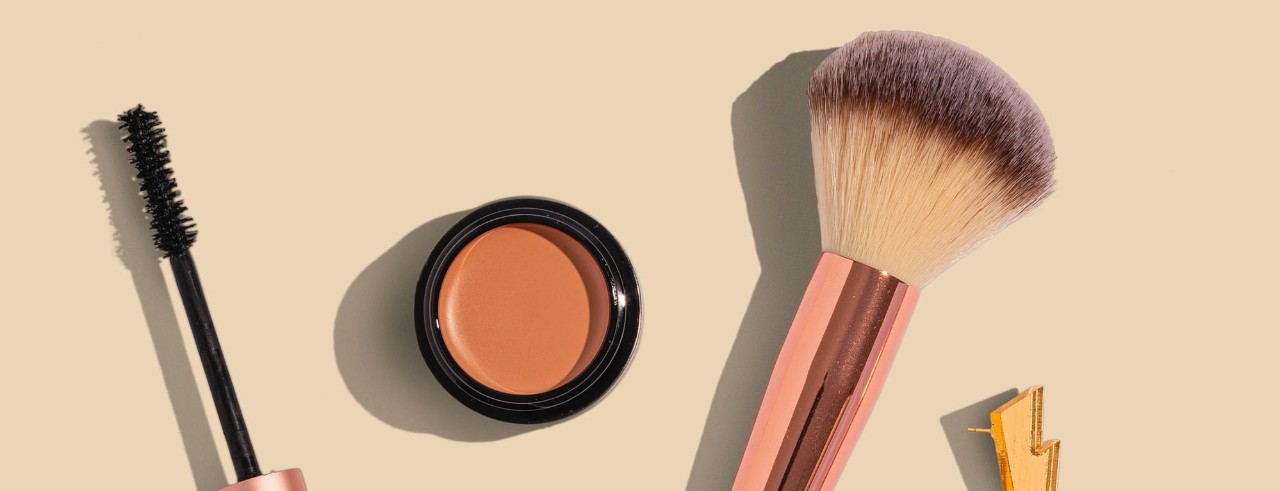
Featured photo at top courtesy of Unsplash.
Related Stories
UC doctoral student shares his journey with Spectrum News
July 27, 2026

UC doctoral student Amota Ataneka spoke with Spectrum News about his educational journey. Ataneka, a native of the Pacific island nation of Kiribati, is one of 35 emerging scholars across the United States to win the National Academy of Education/Spencer Dissertation Fellowship.
How scammers can persuade you with AI
July 27, 2026
Spectrum News recently dove into how cloning voices with artificial intelligence is making it easier to scam people over the phone. The news outlet spoke with Kimberly Hyun, assistant professor of marketing at UC’s Lindner College of Business, to examine why AI is making it so much easier to trick people.
Decade of discovery
July 27, 2026
Every summer, UHP Discover has connected undergraduate students in the University Honors Program (UHP) to a unique array of opportunities in original interdisciplinary research. This year, the program celebrates its 10th anniversary.