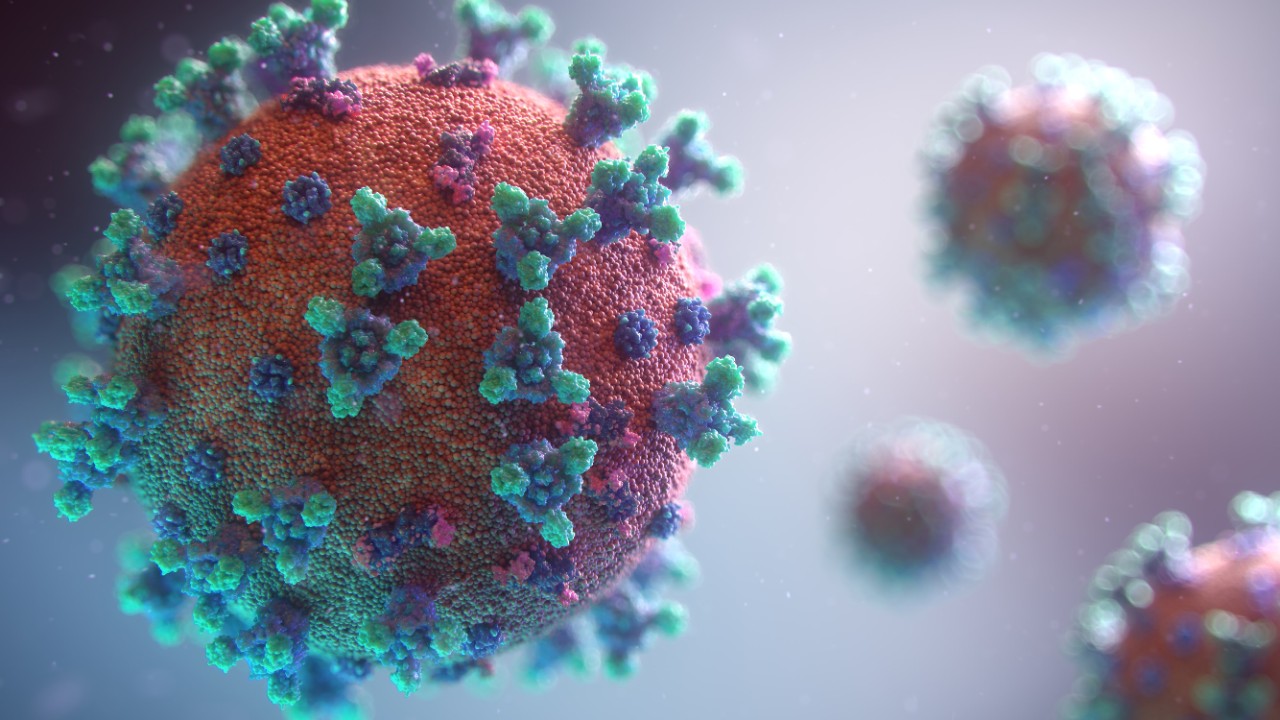
Cincinnati.com: The COVID-19 virus isn't gone, but rules have been relaxed. So, doc, what do I do now?
UC infectious disease experts say it's okay to shake hands again

With COVID-19 cases declining, some school districts in the Cincinnati region are no longer requiring masks to be worn in class. The Ohio Department of Health announced recently that it would end daily reporting of COVID-19 cases. In a story published by Cincinnati.com, several local infectious disease experts were asked about a variety of practices as society emerges from the pandemic. One of the sources was Jennifer Forrester, MD, and another was Carl Fichtenbaum, MD, both of the Division of Infectious Diseases at the UC College of Medicine.
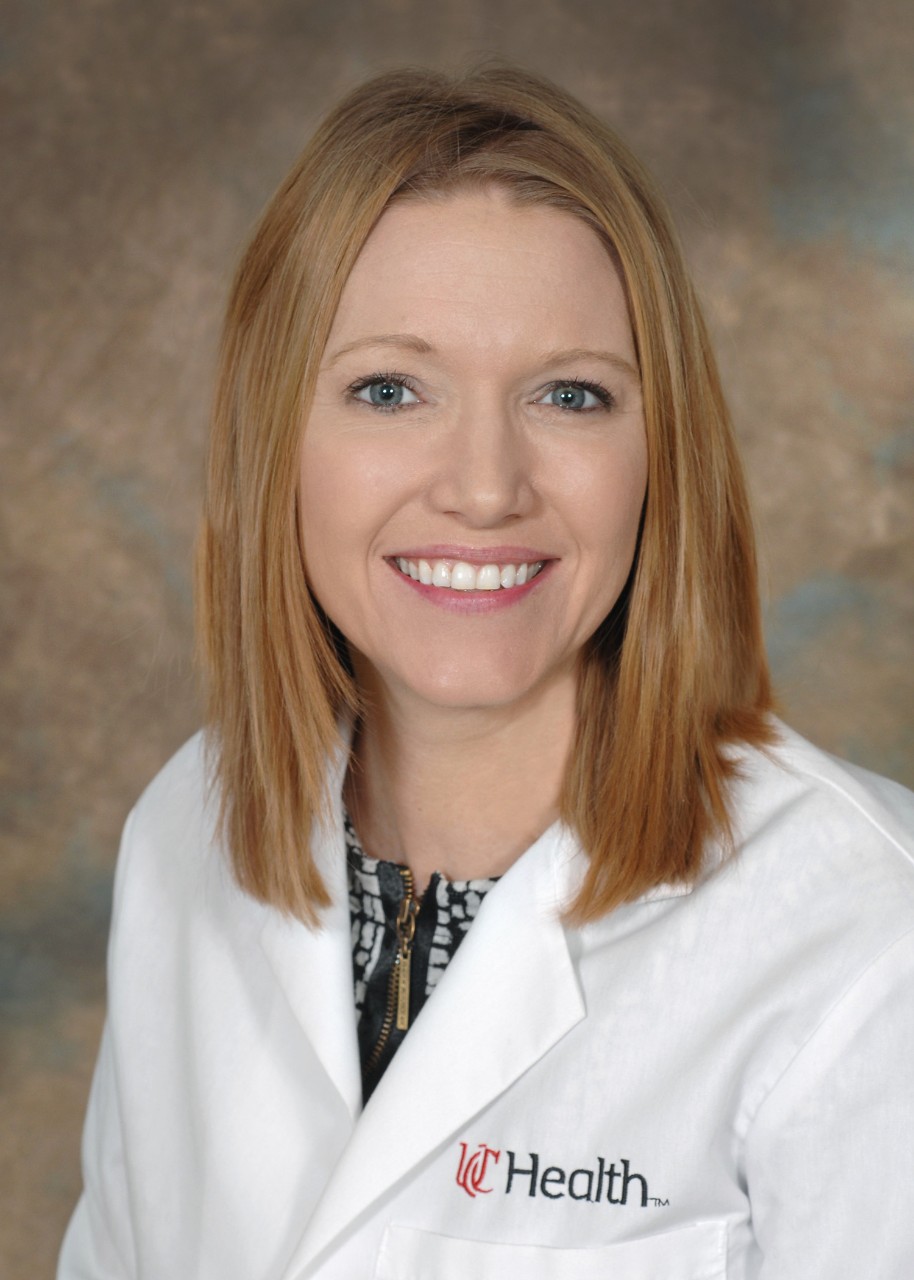
Jennifer Wall Forrester, MD, of the Division of Infectious Diseases at the UC College of Medicine/Photo/Colleen Kelley/UC Creative + Brand
Both Forrester and Fichtenbaum said they would shake hands with someone now.
"Yes, I will shake hands," Forrester said. 'I also keep my hand sanitizer handy (for example, in my purse and car). The COVID-19 virus (and other respiratory viruses) aren't spread by hand-to-hand contact. Washing or sanitizing hands before eating or touching your face can help protect you from lots of different viral and bacterial diseases."
Fichtenbaum said "Shaking hands is OK, just sanitize afterwards."
Forrester said she would continue to maintain social distancing because she has become comfortable with it over the past couple of years. She still isn't comfortable, however, with going out to a restaurant.
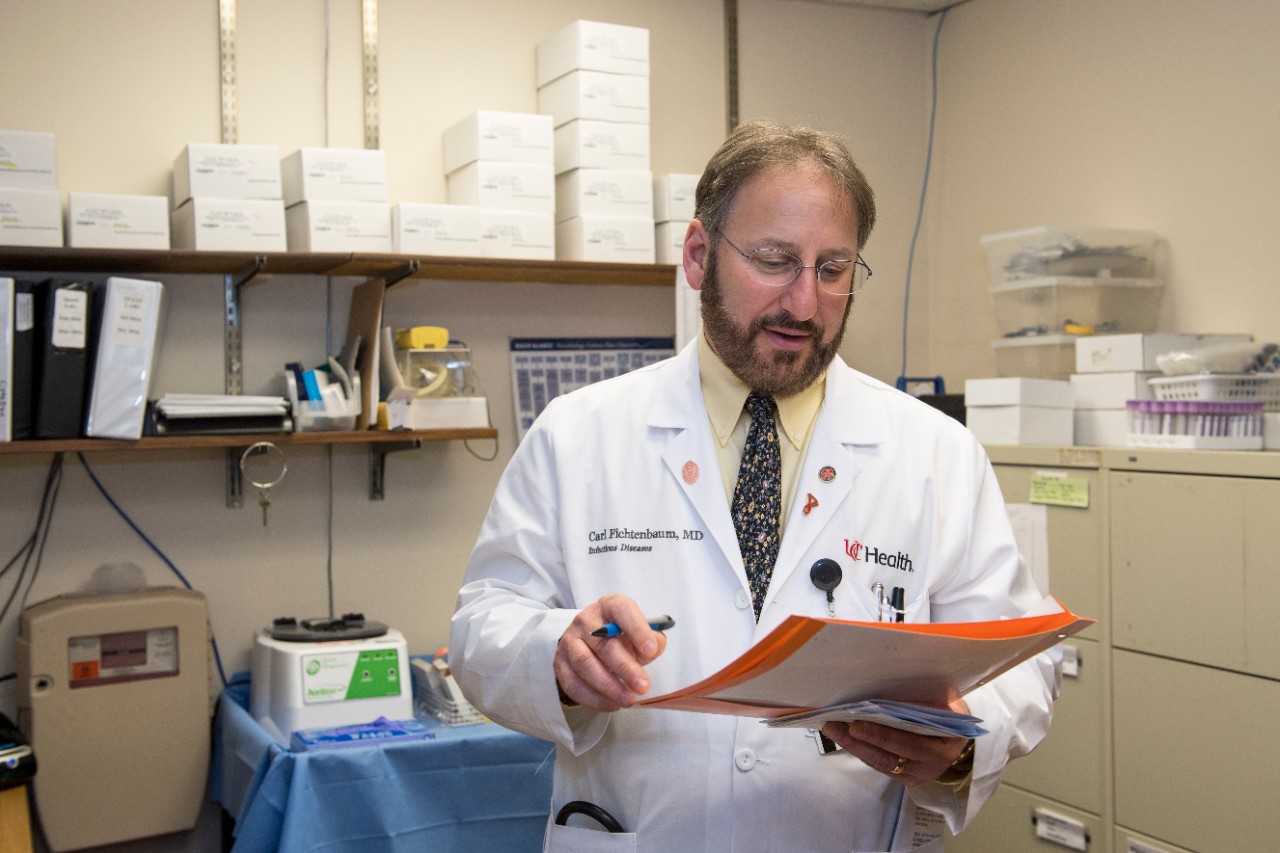
Carl Fichtenbaum, MD, of the Division of Infectious Diseases at the UC College of Medicine/Photo/Colleen Kelley/UC Creative + Brand
"I haven't gotten there yet," she said. 'I am excited to use the outdoor seating options as the weather improves. I hope that if infection levels continue to drop and we learn more about vaccination and immunity, I'll be able to enjoy my favorite restaurants inside, too."
On the question of what symptoms would trigger a COVID-19 test, Forrester says she has a pretty low threshold herself and her kids.
"Generally a fever or new cough is reason for me to test, or any respiratory symptoms," she says. "I wouldn't want to expose others at work or school or an event. Even if the test is negative, though, if someone is sick, they can avoid spreading whatever they have by staying home."
Fichtenbaum shares that sentiment, saying ""If you have cough, sneezing, sore throat, runny nose, headache, sinus congestion, change in taste or smell that is new, then call your doctor for testing."
Impact Lives Here
The University of Cincinnati is leading public urban universities into a new era of innovation and impact. Our faculty, staff and students are saving lives, changing outcomes and bending the future in our city's direction. Next Lives Here.
Stay up on all UC's COVID-19 stories, or take a UC virtual visit and begin picturing yourself at an institution that inspires incredible stories.
Related Stories
UC doctoral student shares his journey with Spectrum News
July 27, 2026

UC doctoral student Amota Ataneka spoke with Spectrum News about his educational journey. Ataneka, a native of the Pacific island nation of Kiribati, is one of 35 emerging scholars across the United States to win the National Academy of Education/Spencer Dissertation Fellowship.
How scammers can persuade you with AI
July 27, 2026
Spectrum News recently dove into how cloning voices with artificial intelligence is making it easier to scam people over the phone. The news outlet spoke with Kimberly Hyun, assistant professor of marketing at UC’s Lindner College of Business, to examine why AI is making it so much easier to trick people.
Decade of discovery
July 27, 2026
Every summer, UHP Discover has connected undergraduate students in the University Honors Program (UHP) to a unique array of opportunities in original interdisciplinary research. This year, the program celebrates its 10th anniversary.