The Tampa Bay Times: What are ‘tactical’ nuclear weapons...?
Scholars say if Russia used tactical nuclear weapons it would be for shock value

Any use of a nuclear weapon by Russia would break the 77-year “taboo” against using nuclear weapons, says an article on Russia’s targeted nuclear arsenal, published in the Tampa Bay Times
It’s estimated Russia has about 2,000 tactical nuclear bombs.
“Just because these nuclear weapons are considered small doesn’t mean their impacts would be minor,” UC political scientist Brendan Green told the Times.
In the Russian nuclear arsenal, he said, most nuclear weapons that would be considered “tactical” would be “as large or larger than the bombs that destroyed Hiroshima and Nagasaki” to end World War II, said Green, an associate professor in UC's School of Public and International Affairs.
If used, the country would like be alienated by the world for a lengthy period.
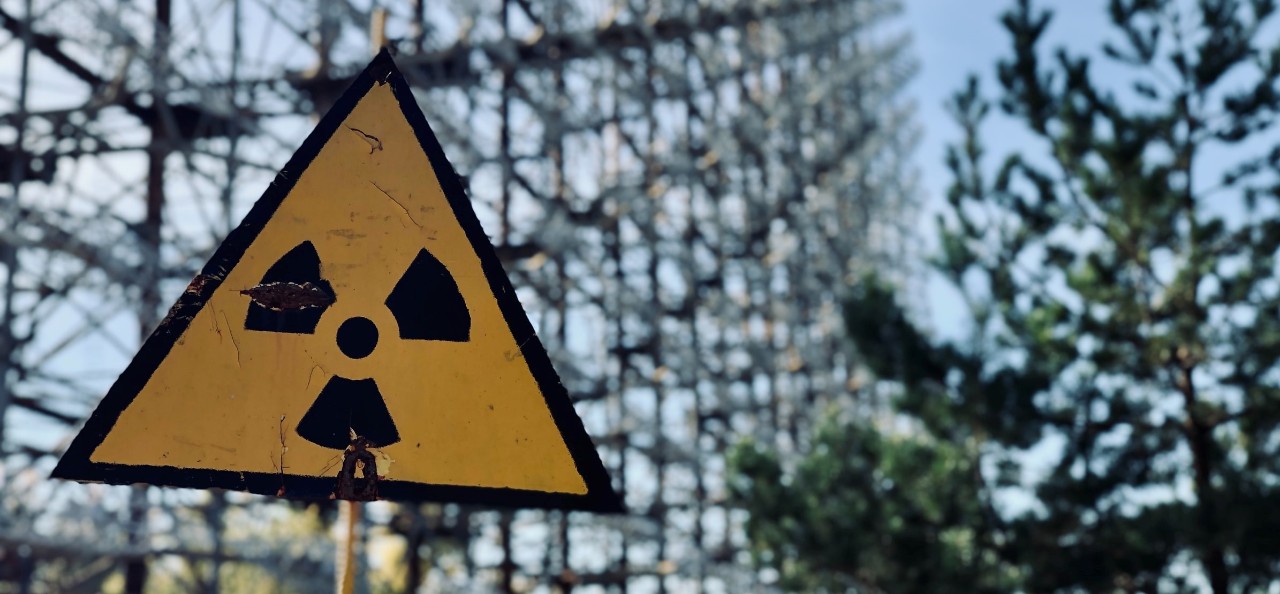
Featured image at top of radiation symbol courtesy of Unsplash.
Impact Lives Here
The University of Cincinnati is leading public urban universities into a new era of innovation and impact. Our faculty, staff and students are saving lives, changing outcomes and bending the future in our city's direction. Next Lives Here.
Related Stories
These teeny spiders are social media stars
August 28, 2026

The New York Times turned to a University of Cincinnati professor to explain the appeal of jumping spiders on social media.
An internal divide among unions on AI impacts the Wisconsin gubernatorial race
August 28, 2026

Anne Lofaso, a professor in the Donald P. Klekamp College of Law at UC, spoke with Wisconsin Public Radio, about the schism among unions over AI and whether it is a plus, a negative, or somewhere in between when looking at job creation.
Campus buzz returns as UC students experience their first week
August 27, 2026
Near-perfect weather, record first-year enrollment, Thrifty Move-In and a packed Involvement Fair mark the University of Cincinnati’s first week back as thousands of Bearcats move into campus housing.