Medium: UC simulations describe molten salt thermodynamics
Medium highlights UC's chemistry research

Medium highlighted research by chemists at the University of Cincinnati who are investigating the thermodynamic properties of molten salt, a material used in energy projects such as solar towers and some nuclear power plants.
UC College of Arts and Sciences research associate Yu Shi, a computational chemist, and his collaborators developed a new simulation method to calculate free energy using deep learning artificial intelligence.
Molten salt is salt heated to high temperatures where it becomes a liquid. It's a valuable medium for energy storage and heat transfer.
“Molten salts are stable at high temperatures and can hold a lot of energy in a liquid state,” Shi said. “They have good thermodynamic properties. That makes them a good energy storage material for concentrated solar power plants. And they can be used as a coolant in nuclear reactors.”
Shi's study of molten salt was published in the Royal Society of Chemistry journal Chemical Science.
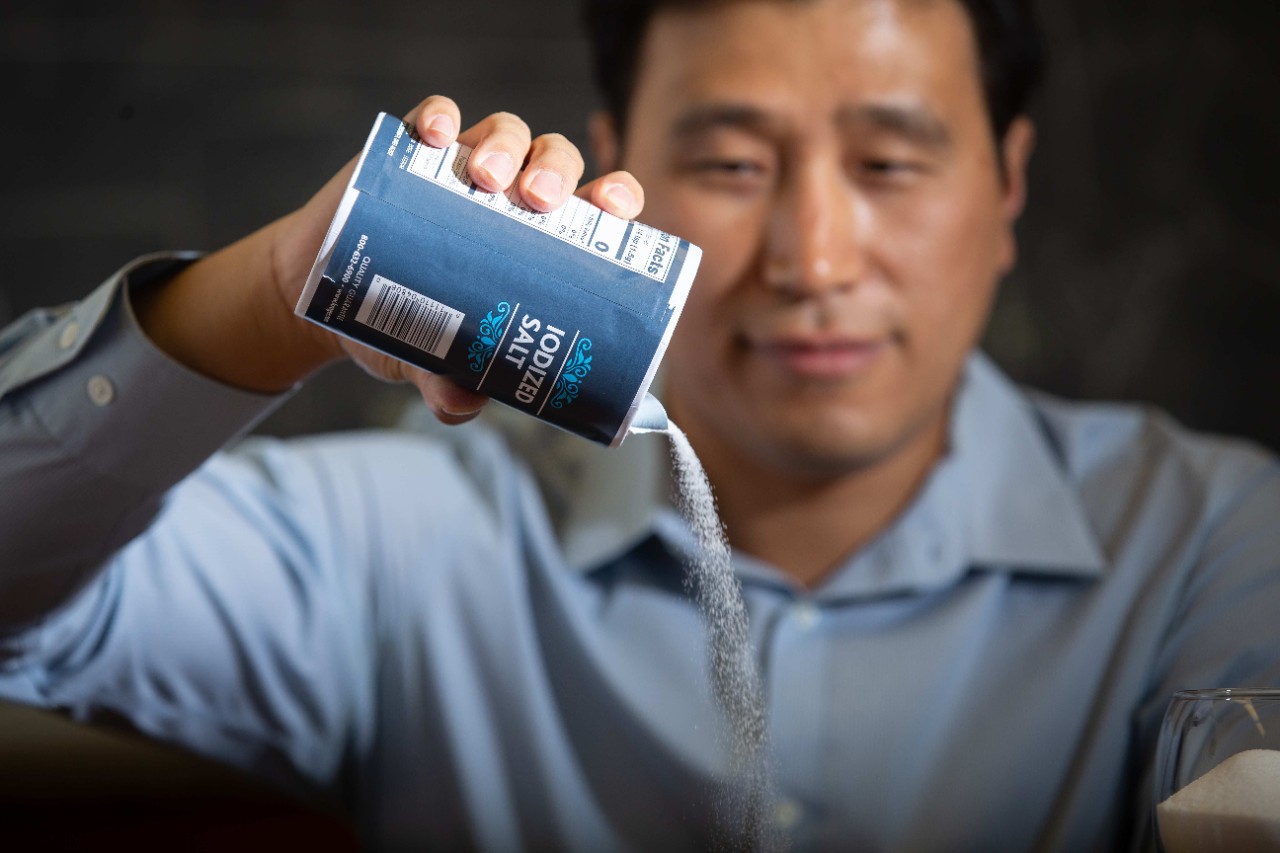
Featured image at top: University of Cincinnati chemist Yu Shi discovered a novel way to study the thermodynamic properties of molten salt. Photo/Andrew Higley/UC Marketing + Brand
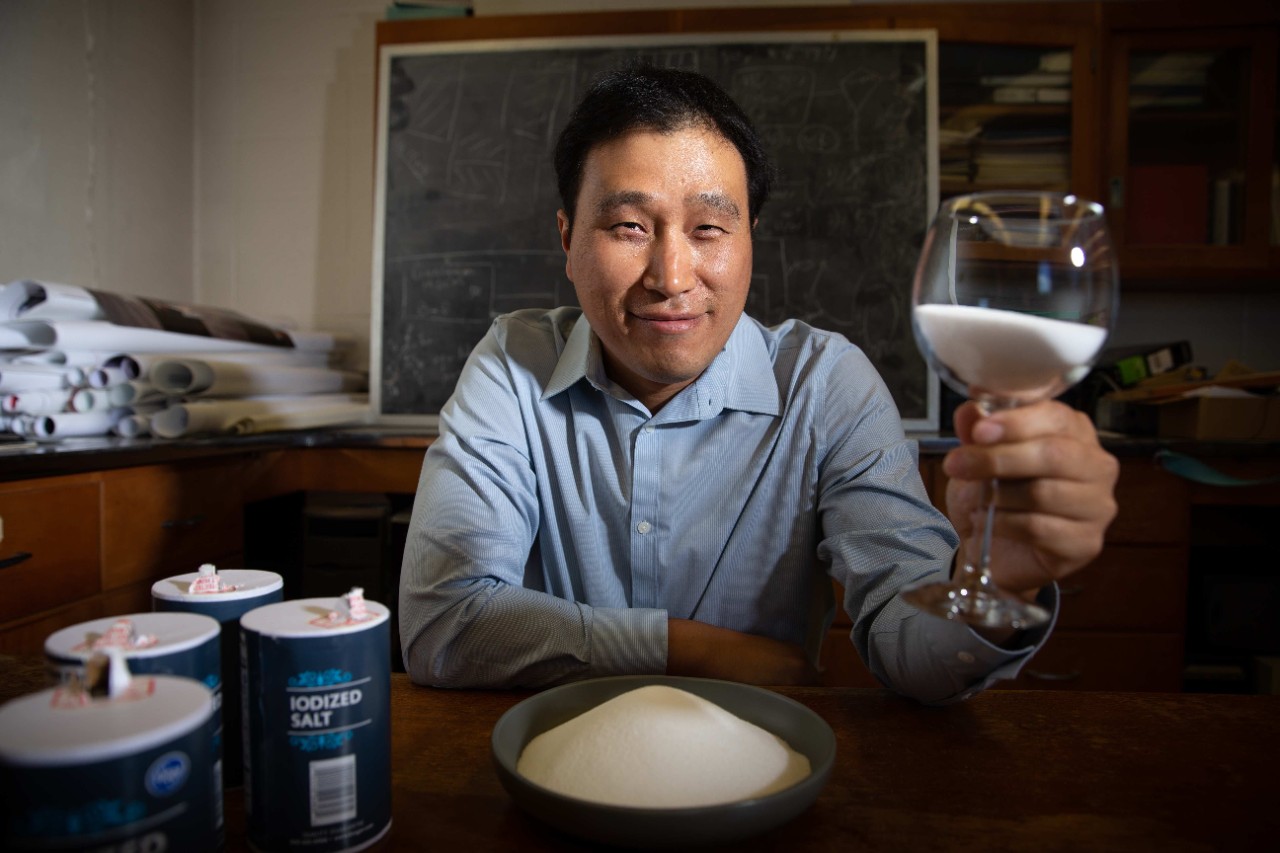
Yu Shi is a research associate and computational chemist in UC's College of Arts and Sciences. Photo/Andrew Higley/UC Marketing + Brand
Related Stories
UC doctoral student shares his journey with Spectrum News
July 27, 2026

UC doctoral student Amota Ataneka spoke with Spectrum News about his educational journey. Ataneka, a native of the Pacific island nation of Kiribati, is one of 35 emerging scholars across the United States to win the National Academy of Education/Spencer Dissertation Fellowship.
How scammers can persuade you with AI
July 27, 2026
Spectrum News recently dove into how cloning voices with artificial intelligence is making it easier to scam people over the phone. The news outlet spoke with Kimberly Hyun, assistant professor of marketing at UC’s Lindner College of Business, to examine why AI is making it so much easier to trick people.
Decade of discovery
July 27, 2026
Every summer, UHP Discover has connected undergraduate students in the University Honors Program (UHP) to a unique array of opportunities in original interdisciplinary research. This year, the program celebrates its 10th anniversary.