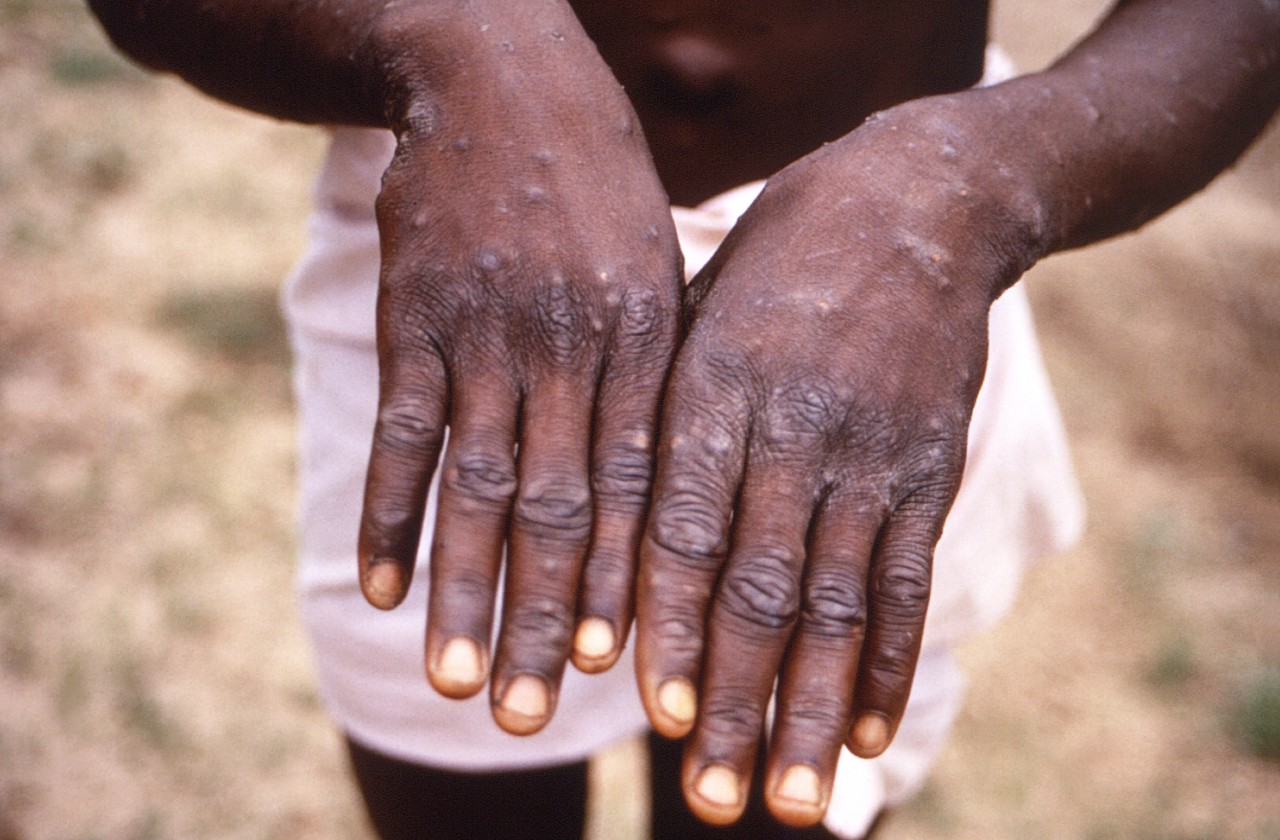
Healthline: What we know about breakthrough monkeypox cases
UC expert says people with certain medical conditions may be less likely to be protected

The World Health Organization announced recently that breakthrough infections have been reported in people who had been vaccinated against monkeypox. Healthline reported there is limited data available on the efficacy of the JYNNEOS shot, so it will take time to understand how effective it is at preventing infection. Data from the 1980s has shown that the vaccine was at least 85% effective, however, some health experts expect that number to change in the current outbreak. One of the experts cited in the Healthline story was Carl Fichtenbaum, MD, of the Division of Infectious Diseases at the UC College of Medicine.
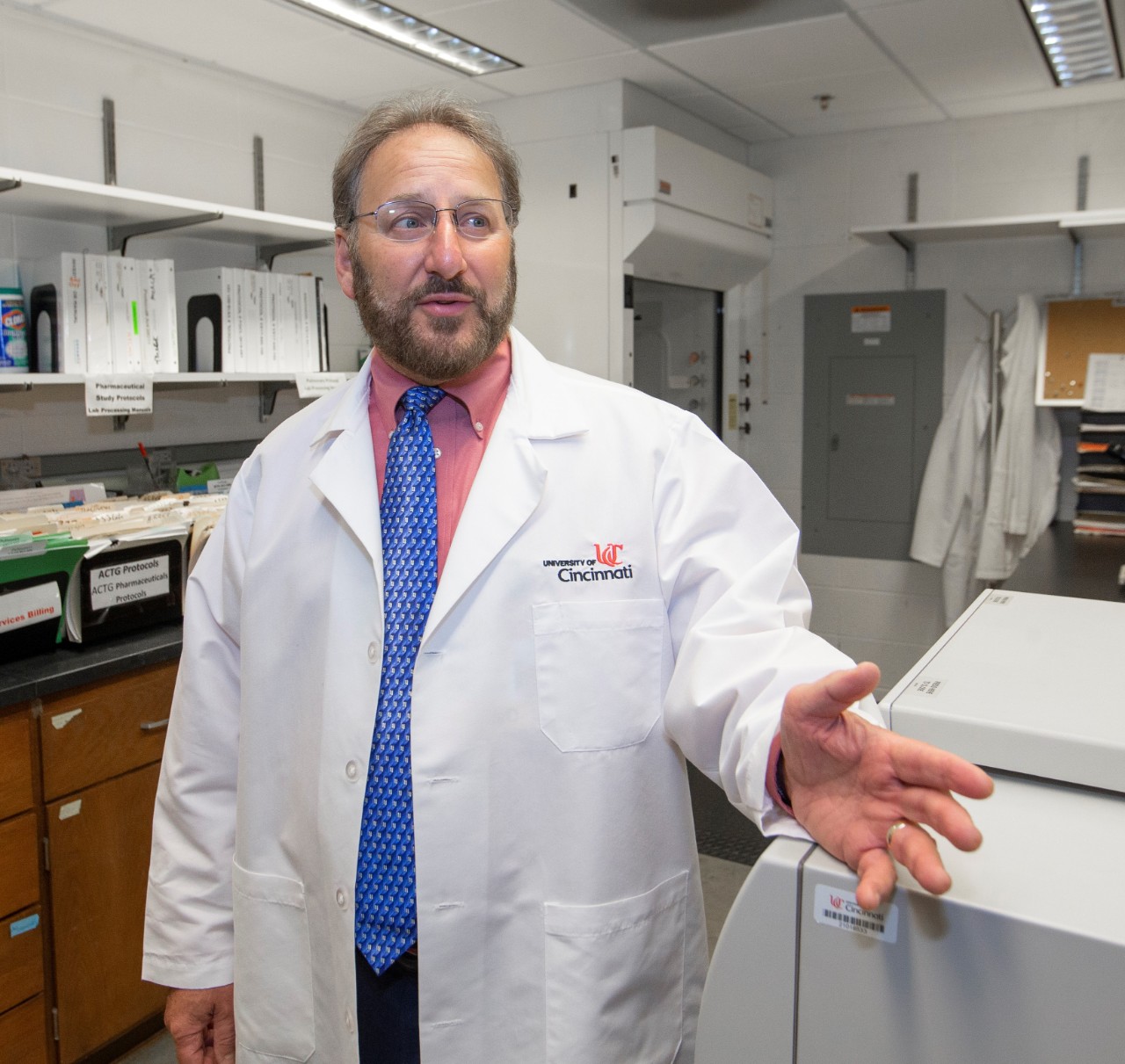
Carl Fichtenbaum, MD, of the Division of Infectious Diseases at the UC College of Medicine/Photo/Joe Fuqua II/UC Marketing + Brand
Fichtenbaum says that the vaccine has not been tested in humans to a large extent, so 85% is really a ballpark estimate.
Healthline reported the strength of people’s immune systems varies and certain individuals may not mount a strong enough immune response to avoid getting sick even if they are fully immunized.
“As always, those with immunosuppression, cancer, transplant patients, and persons with HIV who have a lower CD4+ lymphocyte count below 350 cells/mm3 would be more likely to not respond as well to vaccine and have a breakthrough infection,” Fichtenbaum said.
People older than 60 are also likely to be less protected, Fichtenbaum added.
Fichtenbaum says we are still learning about how common breakthrough infections are, and we don’t have the best track record for preventing the spread of infectious diseases during public health emergencies.
“Time will tell how many breakthroughs occur,” Fichtenbaum said.
Next Lives Here
The University of Cincinnati is classified as a Research 1 institution by the Carnegie Commission and is ranked in the National Science Foundation's Top-35 public research universities. UC's graduate students and faculty investigate problems and innovate solutions with real-world impact. Next Lives Here.
Related Stories
UC launches trial to reduce radiation for HPV-positive throat cancer
July 30, 2026
UC radiation oncologist Sara Medek is leading a phase II clinical trial testing whether patients with HPV-positive throat cancer can safely receive lower radiation doses to reduce side effects.
Donor support of UC and UC Health reaches historic level
July 30, 2026
This summer, every law student at the Donald P. Klekamp College of Law who applied for a Summer Public Interest fellowship will receive a fully funded real-world learning experience, expanding opportunities for University of Cincinnati students wishing to pursue real-world experience in public service. This 30% increase in fully funded fellowship participation is a direct result of transformative philanthropy.
UC co-op helps build career pathways at AtriCure
July 28, 2026
AtriCure, a global medical device company in Mason, Ohio, is UC’s largest biomedical engineering co-op employer, turning University of Cincinnati co-op students into full-time innovators.