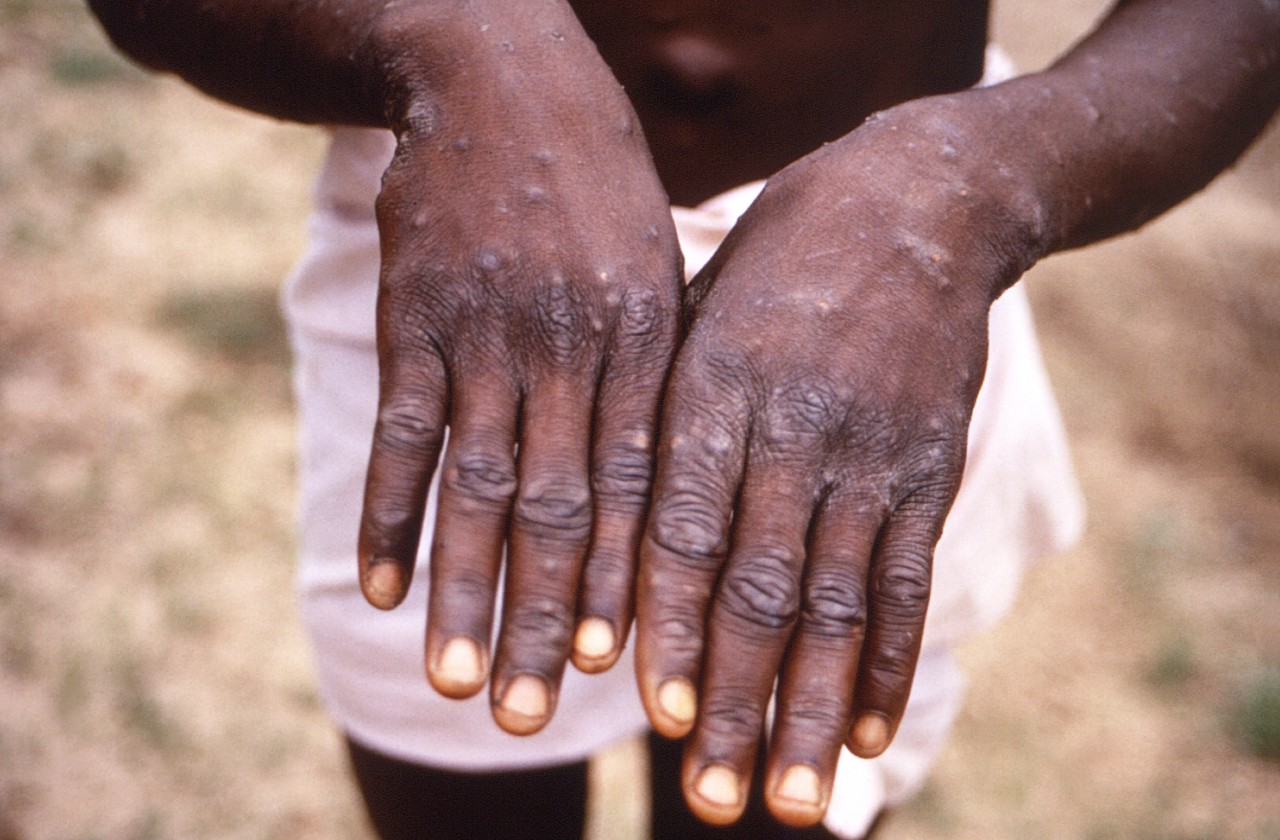
Healthline: What we know about breakthrough monkeypox cases
UC expert says people with certain medical conditions may be less likely to be protected

The World Health Organization announced recently that breakthrough infections have been reported in people who had been vaccinated against monkeypox. Healthline reported there is limited data available on the efficacy of the JYNNEOS shot, so it will take time to understand how effective it is at preventing infection. Data from the 1980s has shown that the vaccine was at least 85% effective, however, some health experts expect that number to change in the current outbreak. One of the experts cited in the Healthline story was Carl Fichtenbaum, MD, of the Division of Infectious Diseases at the UC College of Medicine.
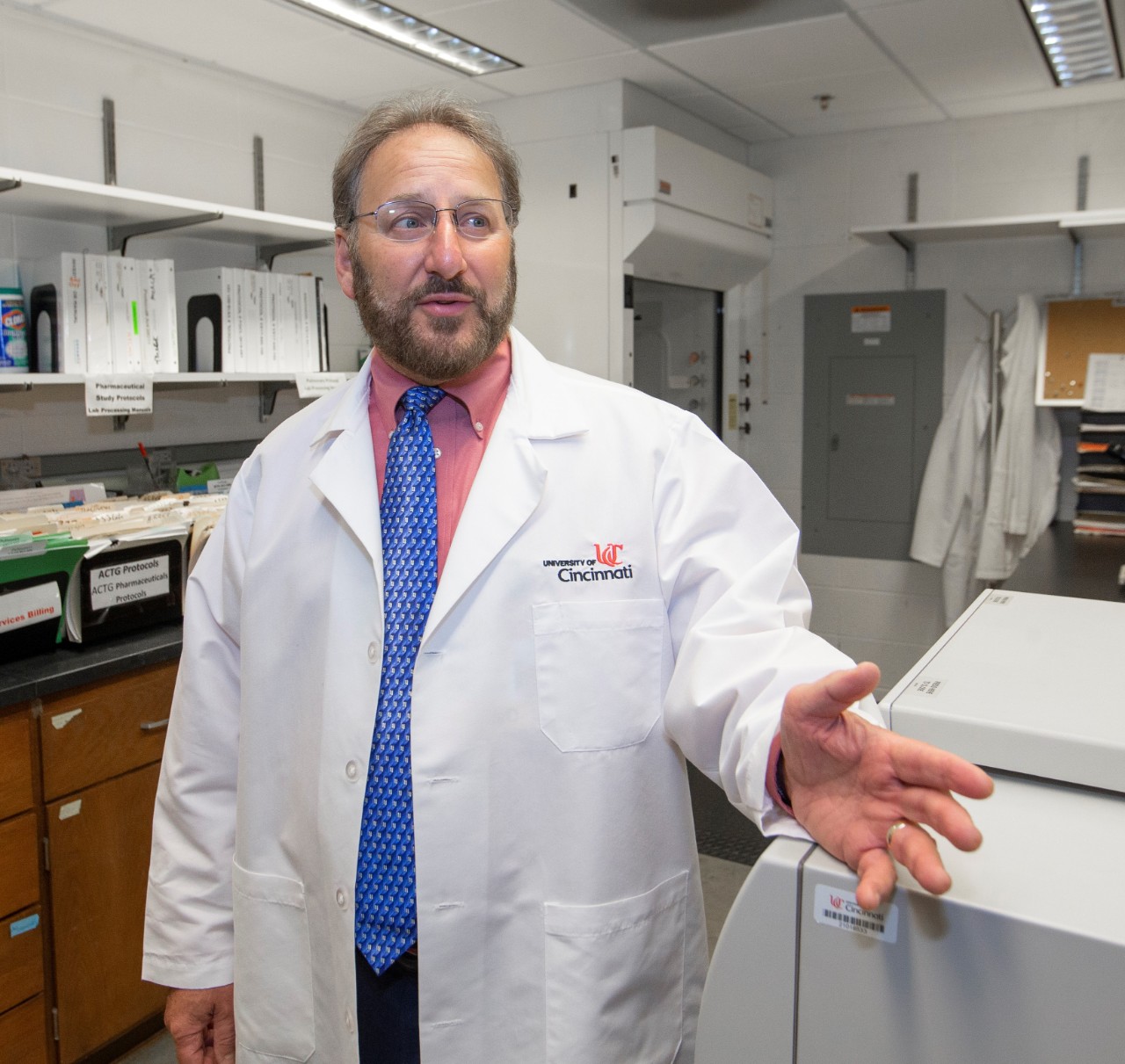
Carl Fichtenbaum, MD, of the Division of Infectious Diseases at the UC College of Medicine/Photo/Joe Fuqua II/UC Marketing + Brand
Fichtenbaum says that the vaccine has not been tested in humans to a large extent, so 85% is really a ballpark estimate.
Healthline reported the strength of people’s immune systems varies and certain individuals may not mount a strong enough immune response to avoid getting sick even if they are fully immunized.
“As always, those with immunosuppression, cancer, transplant patients, and persons with HIV who have a lower CD4+ lymphocyte count below 350 cells/mm3 would be more likely to not respond as well to vaccine and have a breakthrough infection,” Fichtenbaum said.
People older than 60 are also likely to be less protected, Fichtenbaum added.
Fichtenbaum says we are still learning about how common breakthrough infections are, and we don’t have the best track record for preventing the spread of infectious diseases during public health emergencies.
“Time will tell how many breakthroughs occur,” Fichtenbaum said.
Next Lives Here
The University of Cincinnati is classified as a Research 1 institution by the Carnegie Commission and is ranked in the National Science Foundation's Top-35 public research universities. UC's graduate students and faculty investigate problems and innovate solutions with real-world impact. Next Lives Here.
Related Stories
UC doctoral student shares his journey with Spectrum News
July 27, 2026

UC doctoral student Amota Ataneka spoke with Spectrum News about his educational journey. Ataneka, a native of the Pacific island nation of Kiribati, is one of 35 emerging scholars across the United States to win the National Academy of Education/Spencer Dissertation Fellowship.
How scammers can persuade you with AI
July 27, 2026
Spectrum News recently dove into how cloning voices with artificial intelligence is making it easier to scam people over the phone. The news outlet spoke with Kimberly Hyun, assistant professor of marketing at UC’s Lindner College of Business, to examine why AI is making it so much easier to trick people.
Decade of discovery
July 27, 2026
Every summer, UHP Discover has connected undergraduate students in the University Honors Program (UHP) to a unique array of opportunities in original interdisciplinary research. This year, the program celebrates its 10th anniversary.