UC launches Cincy BEARCAT study
Research hopes to learn more about the causes of cardiac arrest

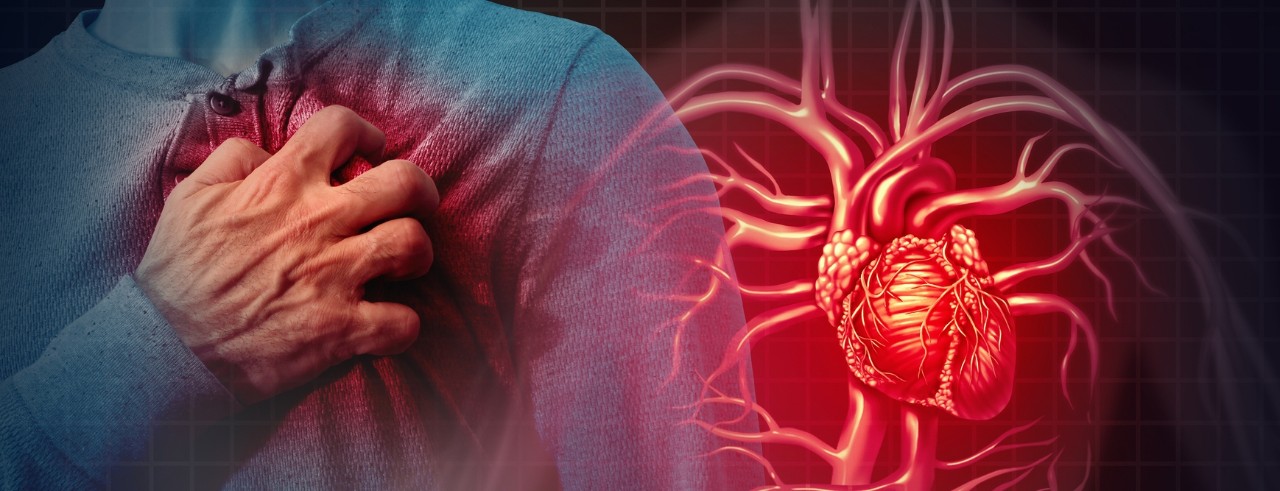
Each year in the U.S., there are more than 356,000 sudden cardiac arrests. Researchers at the University of Cincinnati are hoping to learn more about the causes of cardiac arrest through the Cincinnati Biorepository to Enhance the Acute Resuscitation of Cardiac Arrest Patients (Cincy BEARCAT) study.
“We know a little bit about what causes cardiac arrest,” says Justin Benoit, MD, assistant professor in the Department of Emergency Medicine at the UC College of Medicine. “Sometimes it can be due to a heart attack, or a severe infection, a respiratory problem. However, once that person is actually in cardiac arrest, we don’t really understand what’s going on with the human body at that point in time. Cincy BEARCAT is all about finding out what’s actually going on, and how we can reverse it quickly to save someone’s life.”
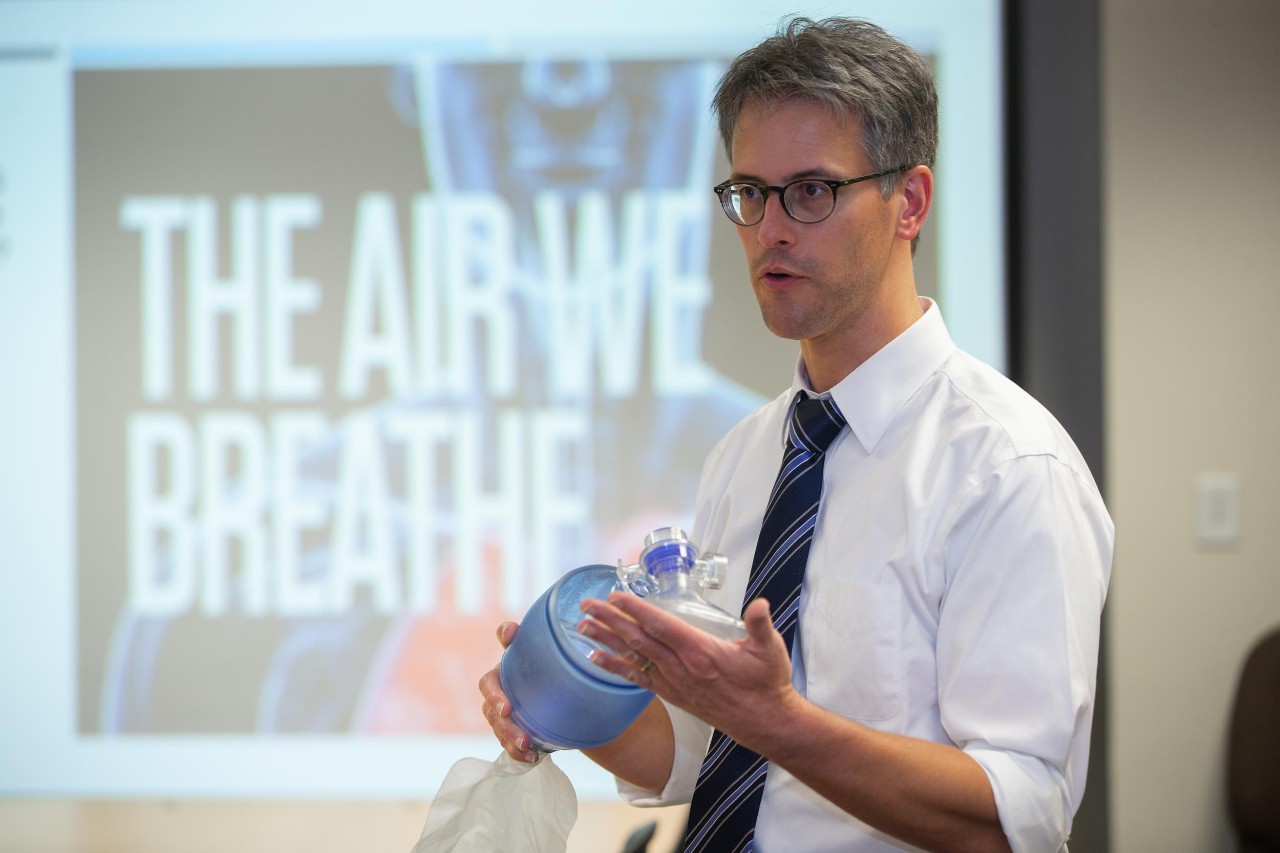
Justin Benoit, MD, of the Department of Emergency Medicine at the UC College of Medicine
Benoit says no one routinely collects blood samples on cardiac arrest patients in the U.S. He says that while all cardiac arrest patients are currently put into one of two categories, he believes there is a lot more diversity in those patients. The working theory of Cincy BEARCAT is that before the patient ever gets to the hospital, they are going to find differences between patients that are currently unknown.
“Not only that, but we believe these differences will change over the course of the time EMS is with the patient,” Benoit says. “Ultimately, we hope that knowledge of these differences will allow us to better target our treatment efforts based on the exact problem(s) of each specific patient.”
Benoit says they will be collecting blood samples of around three tablespoons which will be stored in a biorepository to examine later and try to determine if the sample can reveal what caused the cardiac arrest and how it can be reversed in the future. Those samples may also be used in current and future research.
“My goal is, 20 years from now, if somebody’s in cardiac arrest, when Cincinnati Fire and other EMS agencies roll up on scene, they’re going to be able to get a little blood sample, run it through a point of care machine and it’s going to tell us, ‘the patient is having this kind of cardiac arrest, you need to treat it this way,’” says Benoit. “We’re going to be a lot more specific about how we treat patients in the future.”
WKRC-TV, Local 12, produced a story on the research that was syndicated across the U.S. See that coverage here.
Related Stories
'Truly spectacular': College of Medicine baccalaureate programs celebrate a year of momentum under new leadership
September 8, 2026
A year into his role, Kevin Haworth, PhD, reflects on the University of Cincinnati College of Medicine's largest-ever incoming baccalaureate class, first anatomy certificate graduates and a landmark philanthropic gift.
UC Law professor discusses labor dispute involving the Consumer Financial Protection Bureau
September 4, 2026

Anne Lofaso, a professor at the University of Cincinnati College of Law and former attorney for the National Labor Relations Board, spoke with Bloomberg Law about a union labor dispute involving the Consumer Financial Protection Bureau.
UC creates ‘The Why,’ a new student hub in historic YMCA building
September 4, 2026

The University of Cincinnati is creating a new student-centered hub focused on engagement, community and well-being known as 'The Why.'