U.S. News: Scientists propose new mechanism driving Alzheimer's
Recent UC study highlighted

National and international media outlets highlighted recent research from the University of Cincinnati that supports an alternative hypothesis for what causes Alzheimer's disease.
The prevailing narrative in the field has stated Alzheimer's is caused by amyloid plaques in the brain, but Alberto Espay, MD, Andrea Sturchio, MD, and their colleagues hypothesized that plaques are simply a consequence of the levels of soluble amyloid-beta in the brain decreasing. These levels decrease because the normal protein, under situations of biological, metabolic or infectious stress, transform into the abnormal amyloid plaques.
In the current study, the team analyzed the levels of amyloid-beta in a subset of patients with mutations that predict an overexpression of amyloid plaques in the brain, which is thought to make them more likely to develop Alzheimer’s disease.
“What we found was that individuals already accumulating plaques in their brains who are able to generate high levels of soluble amyloid-beta have a lower risk of evolving into dementia over a three-year span,” said Espay, professor of neurology in the UC College of Medicine, director and endowed chair of the James J. and Joan A. Gardner Family Center for Parkinson’s Disease and Movement Disorders at the UC Gardner Neuroscience Institute and a UC Health physician.
Read the U.S. News & World Report story.
Read the Medical News Today article.
Listen to Espay's interview on ABC Australia's Health report program.
Read the BioWorld article. (Note: Subscription or account registration may be required to access full article.)
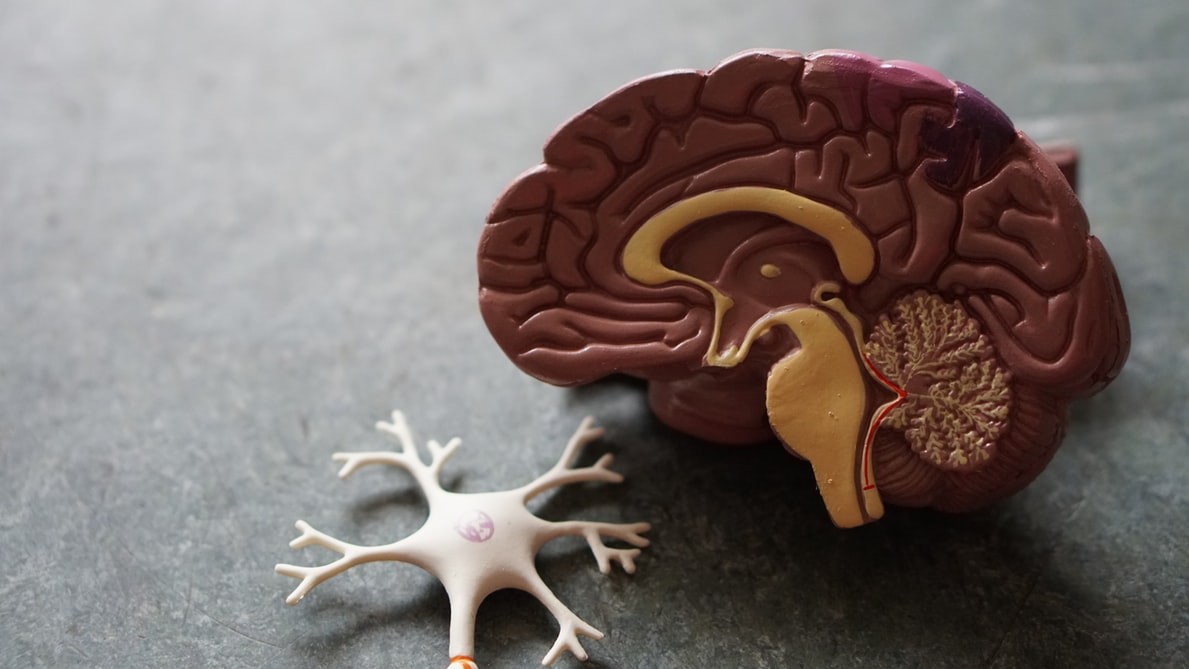
Featured photo at top courtesy of Unsplash.
Related Stories
Is Cincinnati building new homes fast enough?
September 22, 2026

Gary Painter, professor and academic director of the Real Estate Center at UC's Lindner College of Business, offers comments on affordability issues in Cincinnati.
'Discovery, mentorship, momentum': UC College of Medicine's graduate programs celebrate year of success
September 22, 2026
From new mentorship honors to a growing research pipeline, see how the University of Cincinnati College of Medicine's graduate programs made this a standout year.
Tina Cheng, MD, receives American Academy of Pediatrics’ highest honor
September 22, 2026
UC Pediatrics chair Tina Cheng, MD, has received the American Academy of Pediatrics' highest honor for her decades of advancing child health.