International media highlight harm reduction vending machine research

New research from the University of Cincinnati, in partnership with local nonprofit Caracole, shows a self-service vending machine filled with harm reduction supplies such as naloxone helped prevent overdoses and contributed to Hamilton County’s overdose deaths decreasing in 2021.
Caracole, an HIV/AIDS service organization in Cincinnati, partnered with nonprofit Interact for Health to bring the idea of the vending machine to fruition, with an Interact for Health grant funding the purchase of the vending machine.
"We decided to implement a harm reduction vending machine that was no contact, low barrier, so people could access supplies to keep them safer,” Suzanne Bachmeyer, director of prevention at Caracole, told Local 12's Liz Bonis.
Since its implementation, naloxone from the machine has been used more than 1,100 times to reverse an overdose, according to Daniel Arendt, PharmD, assistant professor in UC’s James L. Winkle College of Pharmacy and co-chair of the pain stewardship committee for UC Health.
The program has been covered in media including Japan's Ideas for Good, Physician's Weekly, HealthDay, Local 12 and Fox 19.
Read the Physician's Weekly article.
Read the Ideas for Good story.
Read or watch the Local 12 report.
Read or watch the Fox 19 report.
Read more about the program and research.
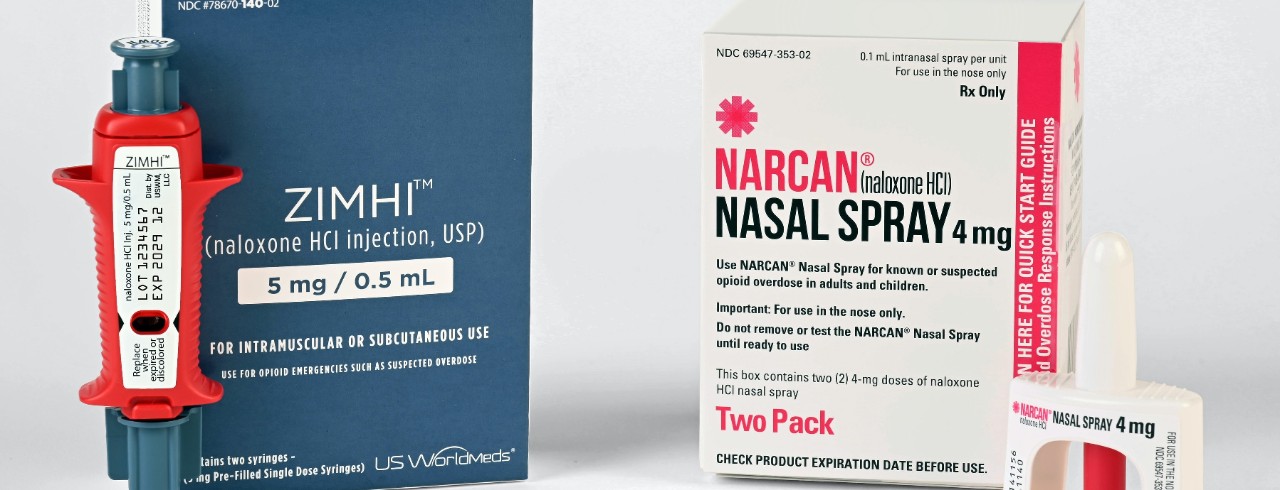
Featured photo at top of naloxone doses courtesy of Unsplash.
Related Stories
Is Cincinnati building new homes fast enough?
September 22, 2026

Gary Painter, professor and academic director of the Real Estate Center at UC's Lindner College of Business, offers comments on affordability issues in Cincinnati.
'Discovery, mentorship, momentum': UC College of Medicine's graduate programs celebrate year of success
September 22, 2026
From new mentorship honors to a growing research pipeline, see how the University of Cincinnati College of Medicine's graduate programs made this a standout year.
Tina Cheng, MD, receives American Academy of Pediatrics’ highest honor
September 22, 2026
UC Pediatrics chair Tina Cheng, MD, has received the American Academy of Pediatrics' highest honor for her decades of advancing child health.