MedPage Today: Encouraging data on treatment for certain stroke population
UC's Mistry comments on recent study in accompanying editorial

A recent study found that using clot-busting drugs in stroke patients who had recently ingested blood thinners did not raise the risk of bleeding complications.
The study found that patients who had taken a blood thinner (also known as a direct oral anticoagulant or DOAC) within 48 hours prior to being treated with clot-busting drugs had a lower incidence of symptomatic intracranial hemorrhage (sICH), the most-feared bleeding complication of stroke.
Eva Mistry, MBBS, wrote an accompanying editorial in JAMA following the publication of the study. MedPage Today highlighted the research and Mistry's editorial.
"Notwithstanding the small number of patients in each group, it is reassuring to see that rates of sICH were comparable among these selection strategies," said Mistry, assistant professor in the Department of Neurology and Rehabilitation medicine in UC’s College of Medicine and a UC Health physician.
"Despite the limitations of the study design and enrolled population, these data may be used by clinicians to make individualized decisions regarding thrombolysis among patients with recent DOAC use. Importantly, this study lays the foundation for prospective, well-powered studies that definitively determine the safety of thrombolysis in this population," Mistry continued.
Read the MedPage Today article.
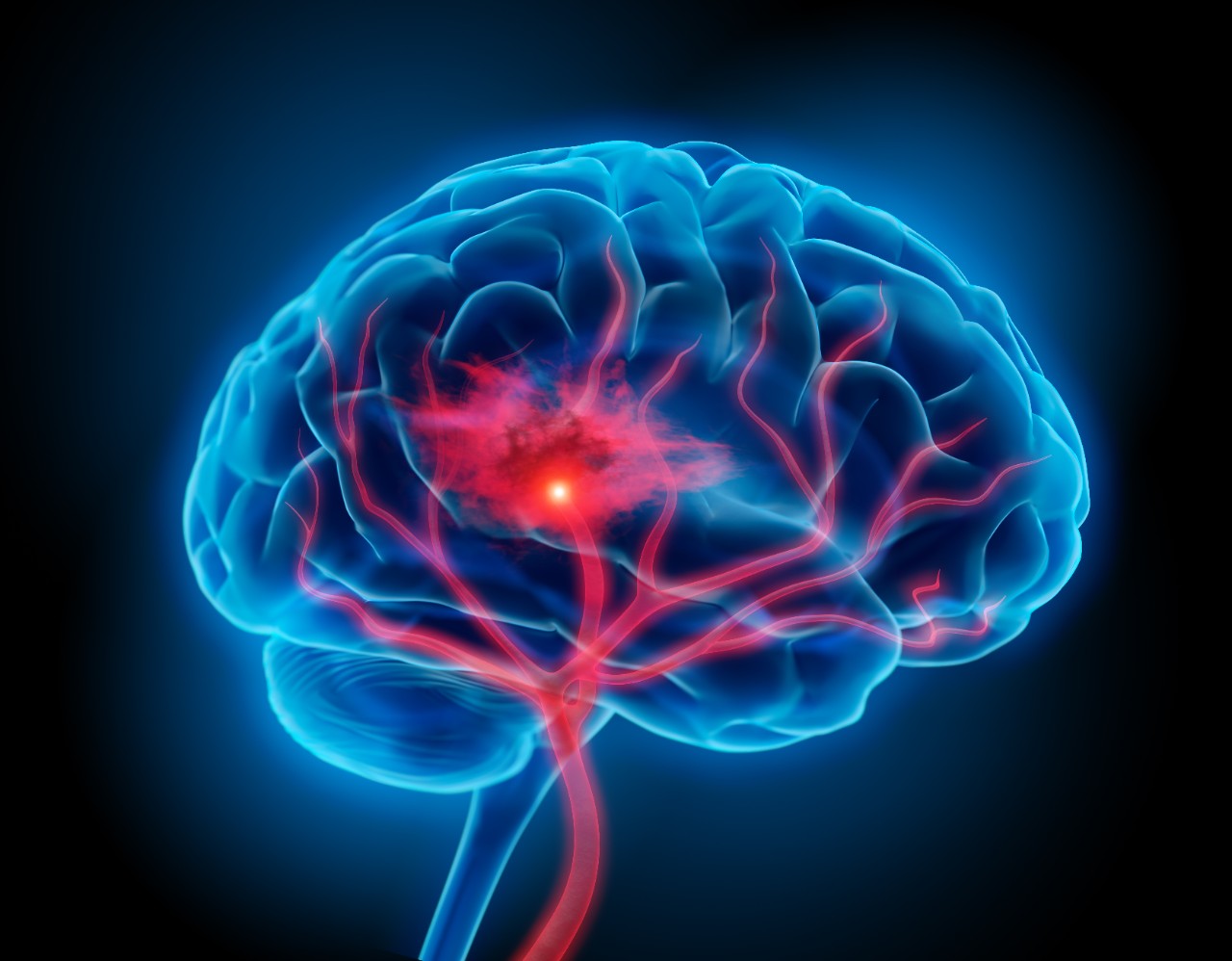
Featured photo at top of brain courtesy of iStock.
Related Stories
Bidirectional link between oral, kidney health calls for patient education, access
August 4, 2026

Despite growing awareness of the connection between oral health and chronic health conditions, patient awareness and access to dental care remain limited, according to University of Cincinnati experts who recently spoke with Healio | Nephrology News & Issues.
'Be human in it': UC College of Medicine welcomes Class of 2030 at 31st White Coat Ceremony
August 4, 2026
The University of Cincinnati College of Medicine welcomed 185 first-year medical students in the Class of 2030 at the 31st annual White Coat Ceremony.
UC-built detector at CERN looks for enticing evidence to explain dark matter
August 4, 2026
A physicist from the University of Cincinnati and his research partners from around the world conducted an experiment at CERN’s Large Hadron Collider in Switzerland to look for evidence that might help explain one of science’s most baffling questions: dark matter.