WELL + GOOD: Here’s how the end of the COVID-19 public health emergency could affect you, according to MDs
UC expert gives background on the policy and who will be most impacted by the end of the emergency

The Biden Administration recently announced that the COVID-19 Public Health Emergency (PHE) and national emergency declarations would be ending on May 11, 2023. The declarations were first announced in early 2020 at the beginning of the COVID-19 pandemic. These declarations have been powerful federal decisions that increase access to emergency funding for public health needs and relax red tape around resource access—but they also served as a strong statement to the American people about the risk of a contagious pandemic.
In a story on the end of the emergency, WELL + GOOD interviewed several experts including Carl Fichtenbaum, MD, of the Division of Infectious Diseases in the Department of Internal Medicine at the UC College of Medicine.

Carl Fichtenbaum, MD, of the Division of Infectious Diseases at the UC College of Medicine/Photo/Joe Fuqua II/UC Marketing + Brand
"The policy was developed in response to the COVID pandemic to be able to issue orders, procure drugs/vaccines, and coordinate agency responses," said Fichtenbaum. "More than anything, it provided a vehicle to implement funding measures enacted by Congress and the President."
Some of the biggest impacts this end of the PHE will have on public health will affect the most vulnerable among us, such as immunocompromised individuals, older adults, and children. That number grows if you consider the number of people experiencing long-term COVID complications.
"This will affect citizens who previously had received free testing, it will cost money or you’ll have to use your insurance to test for COVID-19 and vaccinations will now be billed to insurance so that access may be limited for those without insurance," Fichtenbaum told WELL + GOOD. "Subsidies given to companies to produce vaccine and drugs will begin to fade away. And the agencies that retooled to deal with the COVID pandemic will have to go back to regular operations."
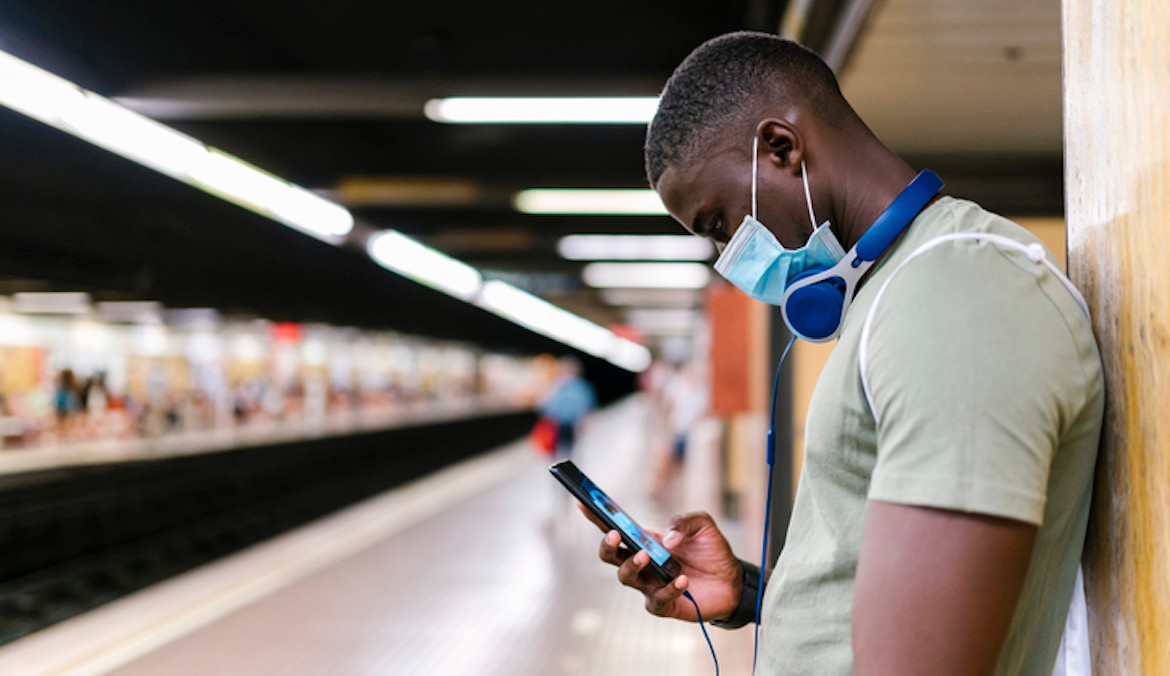
Lead image/Getty Images/Westend61
Next Lives Here
The University of Cincinnati is classified as a Research 1 institution by the Carnegie Commission and is ranked in the National Science Foundation's Top-35 public research universities. UC's graduate students and faculty investigate problems and innovate solutions with real-world impact. Next Lives Here.
Related Stories
These teeny spiders are social media stars
August 28, 2026

The New York Times turned to a University of Cincinnati professor to explain the appeal of jumping spiders on social media.
An internal divide among unions on AI impacts the Wisconsin gubernatorial race
August 28, 2026

Anne Lofaso, a professor in the Donald P. Klekamp College of Law at UC, spoke with Wisconsin Public Radio, about the schism among unions over AI and whether it is a plus, a negative, or somewhere in between when looking at job creation.
On-site training in Speech & Hearing Clinic sets UC’s programs apart
August 27, 2026
At the University of Cincinnati’s Speech & Hearing Clinic, Doctor of Audiology and Speech-Language Pathology graduate students gain real-world experience while providing free speech and hearing services to the community.