WCPO: Eyes are the focus of new University of Cincinnati study to treat PTSD


Kate Chard, PhD, UC professor of psychiatry and behavioral neuroscience.
Eyes are the focus of a new study to help heal combat veterans of their post-traumatic stress tied to their service.
Kate Chard, PhD, UC professor of psychiatry and behavioral neuroscience and director of PTSD programs at the Cincinnati Department of Veterans Affairs Medical Center, spoke with WCPO about a study examining the effectiveness of Eye Movement Desensitization and Reprocessing to Cognitive Processing Therapy.
A $1.25 million donation from PESI, one of the world’s largest providers of mental health continuing education, is funding the three-year study.
“This therapy allows you to think of all the things that you don't want to tell anyone, even your best combat friend, and it allows you to keep all of that private, and you can still get better and not have those memories control you in the future,” Chard said.
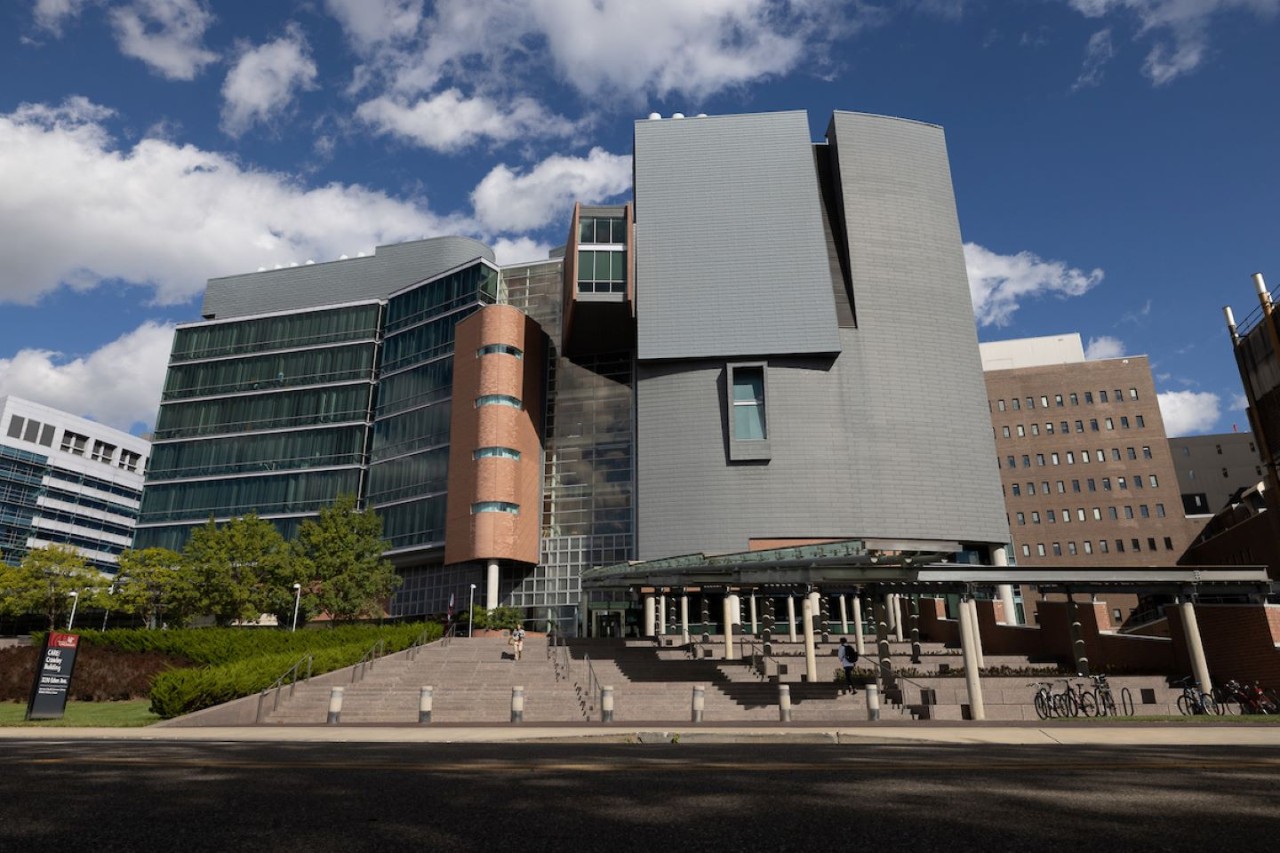
Featured image at top: CARE/Crawley building. Photo/Chris Radcliffe for the UC Foundation
Next Now
With its focus on innovation and impact, Next, Now: The Campaign for Cincinnati is where ambition meets action. At the University of Cincinnati and UC Health, we’re driven by next; thinking bolder and dreaming bigger to create the tomorrow we envision, today. Learn more at nextnow.uc.edu.
Related Stories
Certain weather patterns can trigger migraines
June 8, 2026

Certain weather patterns really do trigger migraine headaches — and the incidence is more common in the Midwest. As WGN 9 in Chicago recently reported, researchers at the University of Cincinnati College of Medicine have identified two specific weather patterns associated with an increased risk of headaches.
Nanofiber multidrug offers new strategy for glioblastoma
June 8, 2026

Science and medical outlets highlight multidrug nanofiber to treat glioblastoma developed by the University of Cincinnati and Johns Hopkins Medicine.
Ad spending ramps up in Senate race
June 8, 2026

Spectrum News turns to a University of Cincinnati political science professor to explain the national interest in the U.S. Senate campaign in Ohio.