What is a public health nurse and why become one?
Public health nurses improve group or community health and are increasingly in demand
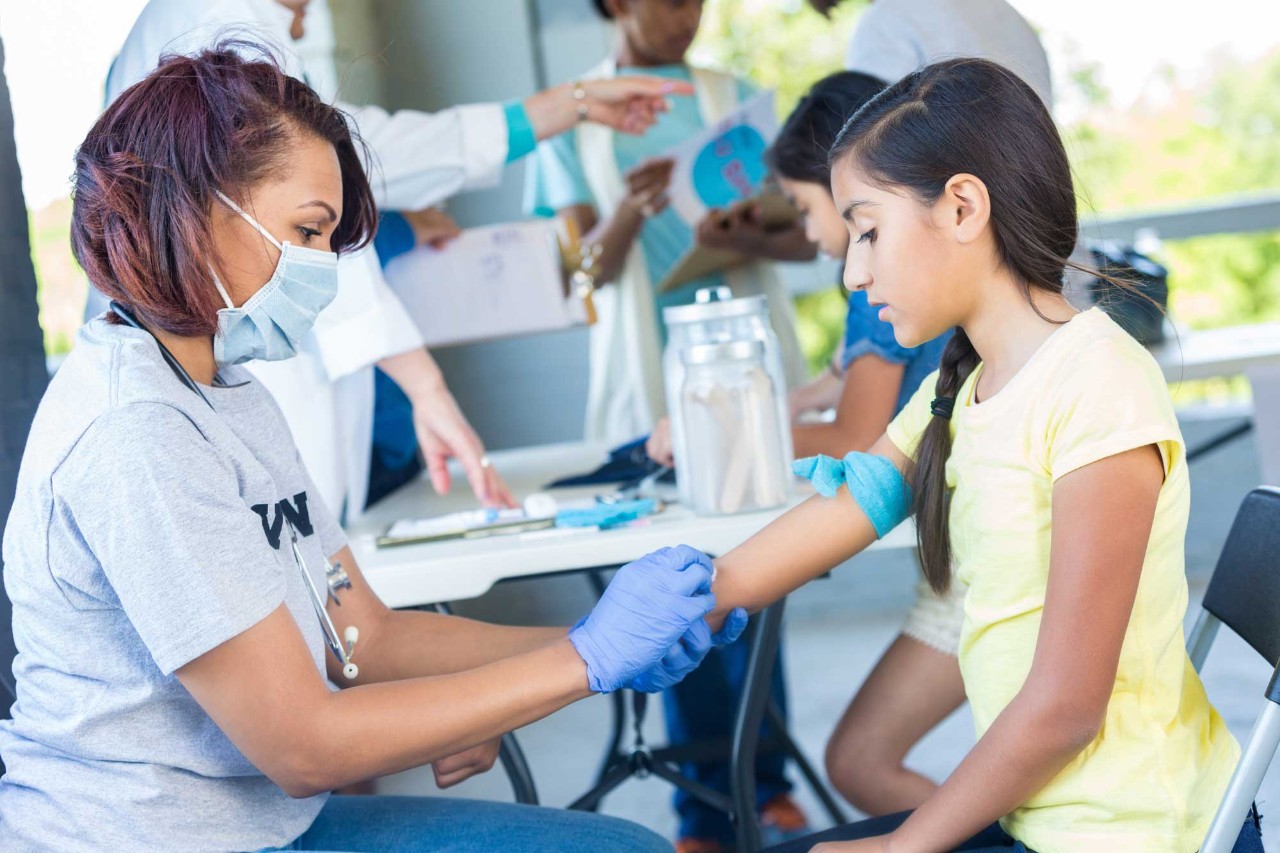
Public health nurses focus on improving the health of groups and communities, rather than individual patients. These nurses assess population health and employ research and evidence-based practice to design interventions that address health needs.
Demand for public health nurses in the U.S. is expected to grow because of the increasing frequency of natural disasters and public health emergencies, along with the need to address health disparities and care for an aging population.
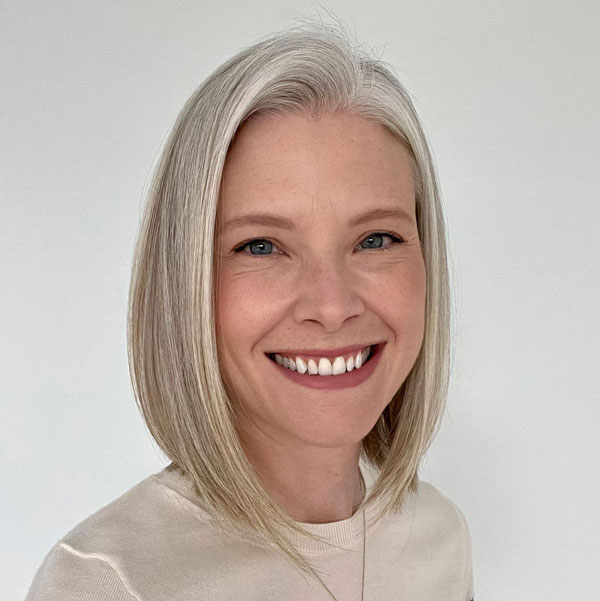
Tasha Turner-Bicknell, director of the University of Cincinnati's Public Health Nursing online programs, discusses the role of public health nurses, why she became a public health nurse and the benefits of UC's Public Health Nursing Doctor of Nursing Practice online program.
Why are public health nurses important?
When I look at some of the stories that have dominated the news headlines for the past few years, including the COVID-19 pandemic, racial violence and the nationwide opioid epidemic, I see a tremendous need for public health nurse leaders, Turner-Bicknell says.
What do public health nurses do and where do they work?
Public health nurses focus on the needs of an entire population and assess population health with a comprehensive approach that identifies health disparities, addresses multiple determinants of health and emphasizes quality improvement and evidence-based practice. They work in many settings and for many kinds of organizations — from all levels of government to community-based and nonprofit organizations, foundations, policy think tanks, academic institutions and other research settings.
Why become a public health nurse?
When I first started working as a nurse, Turner Bicknell says, I was in an acute care setting, and I was dazed by how many patients entered the hospital again and again with preventable illnesses. I became interested in an upstream approach to health promotion, asking myself, "How could I have reached this patient before this became so severe?" When I became a public health nurse, my impact on patient outcomes shifted from direct care to working on health initiatives that educate the public on health issues and diseases, improve community health and increase access to care, particularly for underserved populations.
Why choose UC's Public Health Nursing DNP online program?
UC College of Nursing intentionally developed its Public Health Nursing DNP online program curriculum to not just prepare candidates for public health nursing practice, but to produce public health nurse leaders who can identify and drive systemic transformational changes that impact the health of their communities. Curricular themes of leadership, social determinants of health, and population density position graduates to meet the growing need for senior leadership in public health nursing as health care administrators, managers and project leaders.
In addition to well-rounded instruction, UC's Public Health Nursing DNP online program is unique in that it requires three public health nursing practicums to immerse students in public health organizations where they apply new knowledge and skills and gain valuable experience in the field.
The college's long-standing commitment to inclusive excellence in our culture, curriculum and research makes UC College of Nursing an even more exceptional place to earn a degree in public health nursing.
Learn More
Ready to learn more about UC’s Public Health Nursing DNP online program? Sign up to receive emails with program details, application insights and important deadline reminders.
Tags
Related Stories
UC climbs to No. 3 in the nation for co-ops and internships in 2027 U.S. News rankings
September 22, 2026
In U.S. News & World Report’s 2027 Best Colleges rankings, the University of Cincinnati rises to No. 3 in the nation for co-ops and internships — No. 1 among public institutions — and posts gains in undergraduate business, computer science and psychology.
'Discovery, mentorship, momentum': UC College of Medicine's graduate programs celebrate year of success
September 22, 2026
From new mentorship honors to a growing research pipeline, see how the University of Cincinnati College of Medicine's graduate programs made this a standout year.
Tina Cheng, MD, receives American Academy of Pediatrics’ highest honor
September 22, 2026
UC Pediatrics chair Tina Cheng, MD, has received the American Academy of Pediatrics' highest honor for her decades of advancing child health.