Local 12: Study: Targeted drug therapy slows progression of certain brain tumors
Drug could reduce the need for chemotherapy, radiation and surgery, UC expert says

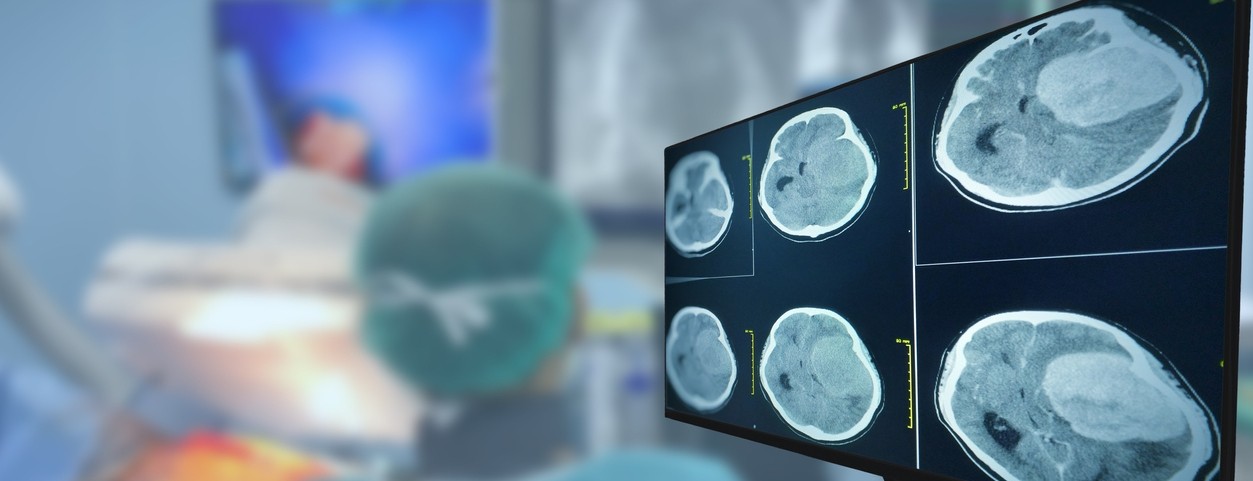
New research out of the University of Cincinnati shows a targeted drug therapy had positive results in delaying the progression of a specific form of glioma, which is a slow-growing brain tumor.
UC Cancer Center brain tumor specialists said it appears to be an option for treatment and would delay radiation and chemotherapy. Local 12 interviewed Rekha Chaudhary, MD, of the Department of Internal Medicine at the UC College of Medicine who said this drug is given after surgery to remove this kind of tumor and appears to be a powerful player in reducing new growth.

Rekha Chaudhary, MD, of the Department of Internal Medicine at the UC College of Medicine/Photo/Colleen Kelley/UC Marketing + Brand
"This new drug Vorasidenib is an IDH1, IDH2 inhibitor. And what it does, it actually inhibits these receptors that are found, or proteins that are found on the tumors,” Chaudhary said.
Researchers studied 331 people with this disease and compared the study drug to a placebo. Those given the targeted therapy did not have disease progression for more than 27.7 months. For those in the placebo group, it was only 11.1 months.
"Whether this is going to pan out to be a survival benefit in the long run, we don't know. But imagine being 30 years old and not having to go through chemo, radiation, further surgery and just be on this drug for almost three years now, and hopefully longer, is a great benefit to these patients, where we've never had a victory before,” Chaudhary told Local 12.
This targeted treatment was so effective that the patients in the original placebo group whose cancer progressed during the study were switched to the drug. It gives promising new hope.
Next Lives Here
The University of Cincinnati is classified as a Research 1 institution by the Carnegie Commission and is ranked in the National Science Foundation's Top-35 public research universities. UC's graduate students and faculty investigate problems and innovate solutions with real-world impact. Next Lives Here.
Related Stories
These teeny spiders are social media stars
August 28, 2026

The New York Times turned to a University of Cincinnati professor to explain the appeal of jumping spiders on social media.
An internal divide among unions on AI impacts the Wisconsin gubernatorial race
August 28, 2026

Anne Lofaso, a professor in the Donald P. Klekamp College of Law at UC, spoke with Wisconsin Public Radio, about the schism among unions over AI and whether it is a plus, a negative, or somewhere in between when looking at job creation.
On-site training in Speech & Hearing Clinic sets UC’s programs apart
August 27, 2026
At the University of Cincinnati’s Speech & Hearing Clinic, Doctor of Audiology and Speech-Language Pathology graduate students gain real-world experience while providing free speech and hearing services to the community.