
What does an occupational health nurse do?
Carolyn Smith, Occupational Health Nursing DNP program director, explains the role
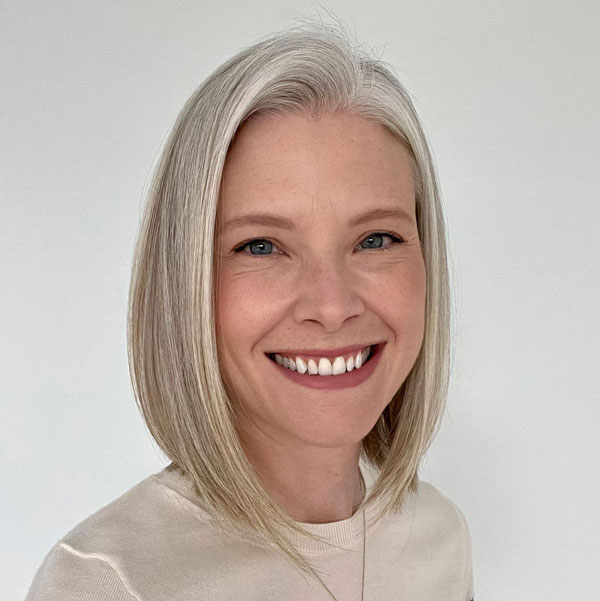
Carolyn Smith, PhD, UC's Occupational Health Nursing DNP program director, has practiced for more than two decades as a nurse and has experience in hospital-based, community-based and academic settings. Her work as a community nurse and doctoral focus on workplace violence sparked her passion for improving the overall health and safety of workers.
In this video, Smith answers questions about the field of occupational health nursing and the benefits of UC's Occupational Health Nursing DNP online program.
What did you choose to become an occupational health nurse?
I decided to become a community health nurse because of belief that nurses play a key role in improving the overall health of our communities through health promotion and disease prevention activities. Throughout my career, I have provided direct health care services to various populations, premature infants, new moms and their babies and children with congenital birth defects and their families.
My background as a community health nurse and my doctoral work focusing on workplace violence have driven my desire to address the unique safety and health needs of workers in various industries.
What does an occupational health nurse do?
Author Annie Dillard famously wrote, “How we spend our days, is of course, how we spend our lives.” Considering the average U.S. adult will spend 90,000 hours at work, it is imperative for healthcare professionals to consider the various ways in which work may contribute to a person’s health. This is what occupational health and safety professionals focus on.
Occupational health nursing has existed in the U.S. as a subspecialty of public health nursing for more than a century, but modern-day occupational health nursing came about in the 1970s. Since then, occupational health nurses have served three main roles:
- Employee health advocates
- Business industry leaders
- Environment and community leaders
What are the benefits of UC's Occupational Health Nursing DNP online program?
UC's Occupational Health Nursing DNP online program prepares nurses to apply research evidence to design, implement and evaluate population-based interventions to protect worker health and safety. Our curriculum is intentionally developed to prepare occupational health nurse leaders to identify and drive necessary systemic changes that significantly impact the health and safety of workers.
In this flexible, asynchronous program, you will learn side-by-side with graduate students in other programs such as public health, public health nursing, industrial hygiene (just to name a few) and get exposure to a robust body of evidence related to occupational health and safety.
In addition to two Occupational Health Nursing focused practicums, coursework covers themes of leadership, social determinants of health, and occupational and environmental issues to position graduates to meet the growing need for senior leadership in occupational health nursing as health care administrators, managers and project leaders.
Ready to Learn More?
Request more information about our Occupational Health Nursing DNP online program to receive additional program details, application instructions, information session notifications, important deadline reminders and more.
Related Stories
'Truly spectacular': College of Medicine baccalaureate programs celebrate a year of momentum under new leadership
September 8, 2026
A year into his role, Kevin Haworth, PhD, reflects on the University of Cincinnati College of Medicine's largest-ever incoming baccalaureate class, first anatomy certificate graduates and a landmark philanthropic gift.
Cancer Center expert urges lung cancer screenings as too few at-risk patients get tested
September 4, 2026

The University of Cincinnati Cancer Center's Robert Van Haren, MD, spoke with Local 12 about the need for more awareness and discussions around lung cancer screenings.
Apply for 2027 Presidential Medal Awards
September 4, 2026
UC President Neville Pinto invites eligible students to apply for two of our university’s top awards — the PLME & PMGSE.