New York Times: Does sugar feed cancer?
Cancer Center expert says you can't 'starve a tumor'

Stacy Shawhan, an oncology dietitian at the University of Cincinnati Cancer Center, told the New York Times she's heard many questions over the years from her cancer patients about how their diets influence their prognosis.
One question has come up more than the rest: Will consuming sugary foods and drinks feed my cancer cells, making my condition worse?
“Cancer patients are so vulnerable, and some of them are terrified to eat,” said Shawhan. “They think, ‘If I stop eating sugar, then I can starve my cancer.’”
While experts say that diets high in added sugars may increase your risk of cancer over a lifetime, cutting out all sugars doesn’t actually fight existing tumors.
Read the full New York Times story.
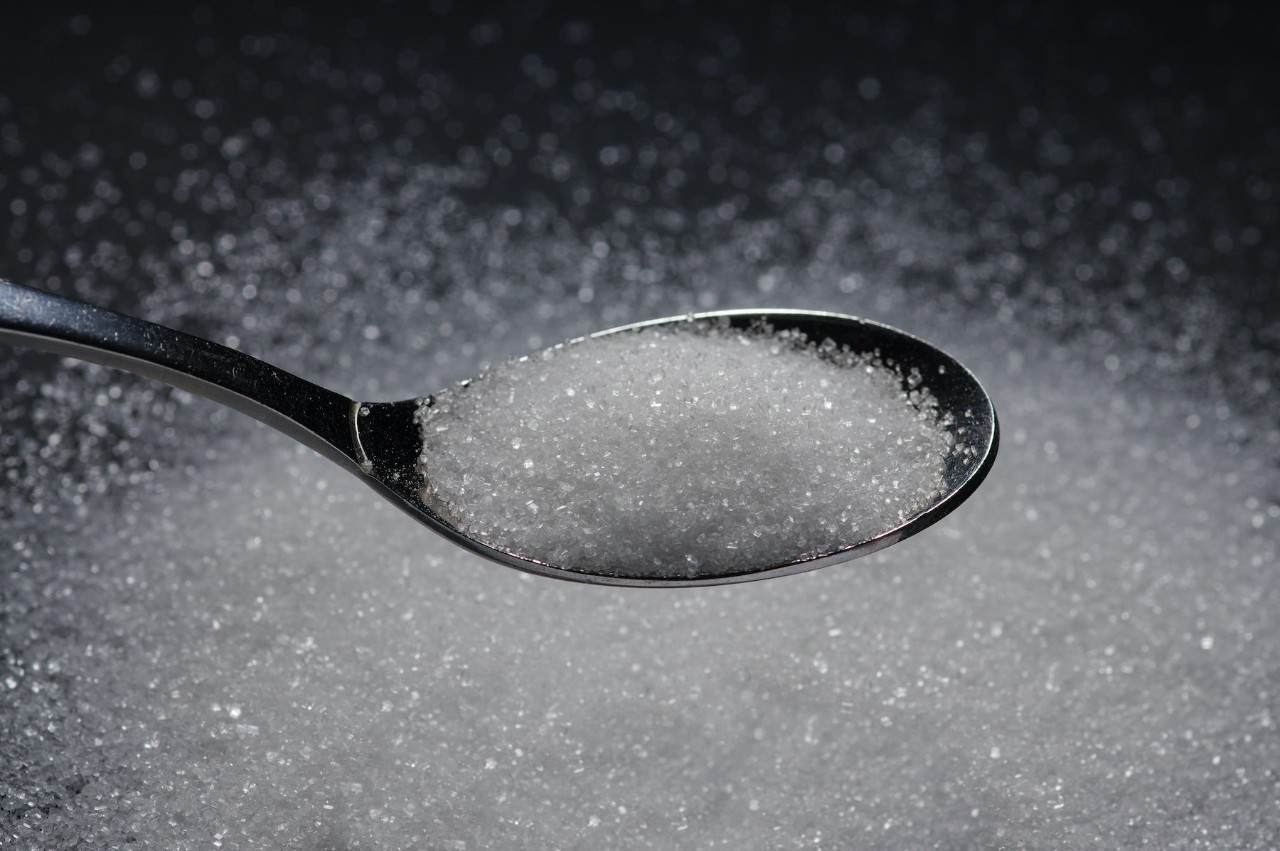
Featured photo: spoon of sugar.
Related Stories
More young adults are having strokes than three decades ago
September 23, 2026
A University of Cincinnati-led study published in the journal Neurology found that strokes among adults ages 20 to 54 nearly doubled over almost three decades, even as short-term survival after stroke improved.
UC part of $18 million initiative to expand behavioral health workforce in Ohio
September 23, 2026

The University of Cincinnati is participating in a new $18 million statewide scholarship program, as Cleveland.com recently reported, to address critical shortages of mental health and substance use treatment providers across Ohio.
Is Cincinnati building new homes fast enough?
September 22, 2026

Gary Painter, professor and academic director of the Real Estate Center at UC's Lindner College of Business, offers comments on affordability issues in Cincinnati.