WVXU: Intel partners with Ohio colleges to develop workforce
Chip-maker will need skilled workers when it opens its fabrication plants in 2025

WVXU highlighted the University of Cincinnati's role in preparing skilled workers for new jobs Intel Corp. is bringing to Ohio when it opens the first of its new microchip factories in 2025.
UC is part of a consortium of 15 Ohio colleges and universities called the Ohio Southwest Alliance on Semiconductors and Integrated Scalable Manufacturing getting workers ready for new high-tech careers in the Buckeye State. It's just one of several similar networks across the Midwest that Intel is sponsoring to prepare a pool of skilled workers for new high-tech jobs.
Intel is investing $100 million in local and national higher-ed programs over the next decade to prepare new workers for jobs in semiconductor manufacturing.
UC College of Engineering and Applied Science Associate Dean of Research Gautam Pillay said the university created a rapid certification course composed of five online classes of four hours each that examine topics such as integrated circuit manufacturing and manufacturing safety.
UC doctoral student Nathan Hernandez completed the certification, which inspired him to take some related computer engineering courses.
“I felt it was a really good groundwork to get your foot in,” he said.
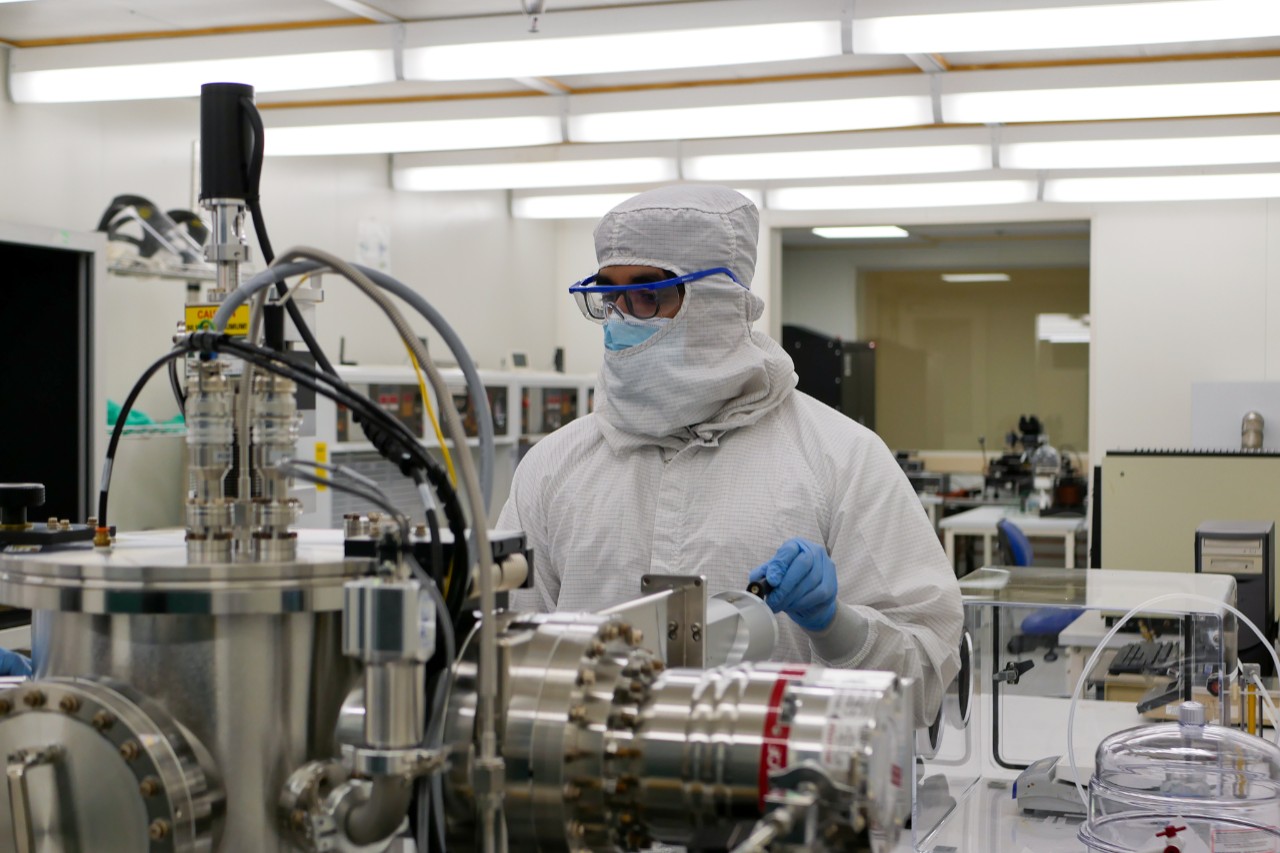
Featured image at top: A University of Cincinnati student works in the Mantei Center Clean Room. Photo/Corrie Mayer/CEAS Marketing
Related Stories
Ohio ranked No. 1 for business by CNBC
July 10, 2026

Ohio is CNBC’s No. 1 Top State for Business in 2026. The University of Cincinnati helps fuel that success through co-op, innovation, talent development and close collaboration with the state.
UC students organize free health clinic happening July 11-12
July 10, 2026

The University of Cincinnati student chapter of Remote Area Medical is holding its annual free health clinic July 11-12. The clinic is open to adults and children, with no income requirements. Anyone in the area who needs medical, dental or vision care will have a chance to get it for free, with no insurance required.
UC co-op student pursues passion for cars
July 7, 2026
University of Cincinnati student Sam Grove turned his passion for cars into a dream opportunity to showcase his talent with Mercedes-Benz and Honda Motor Co. through UC’s nationally recognized co-op program.