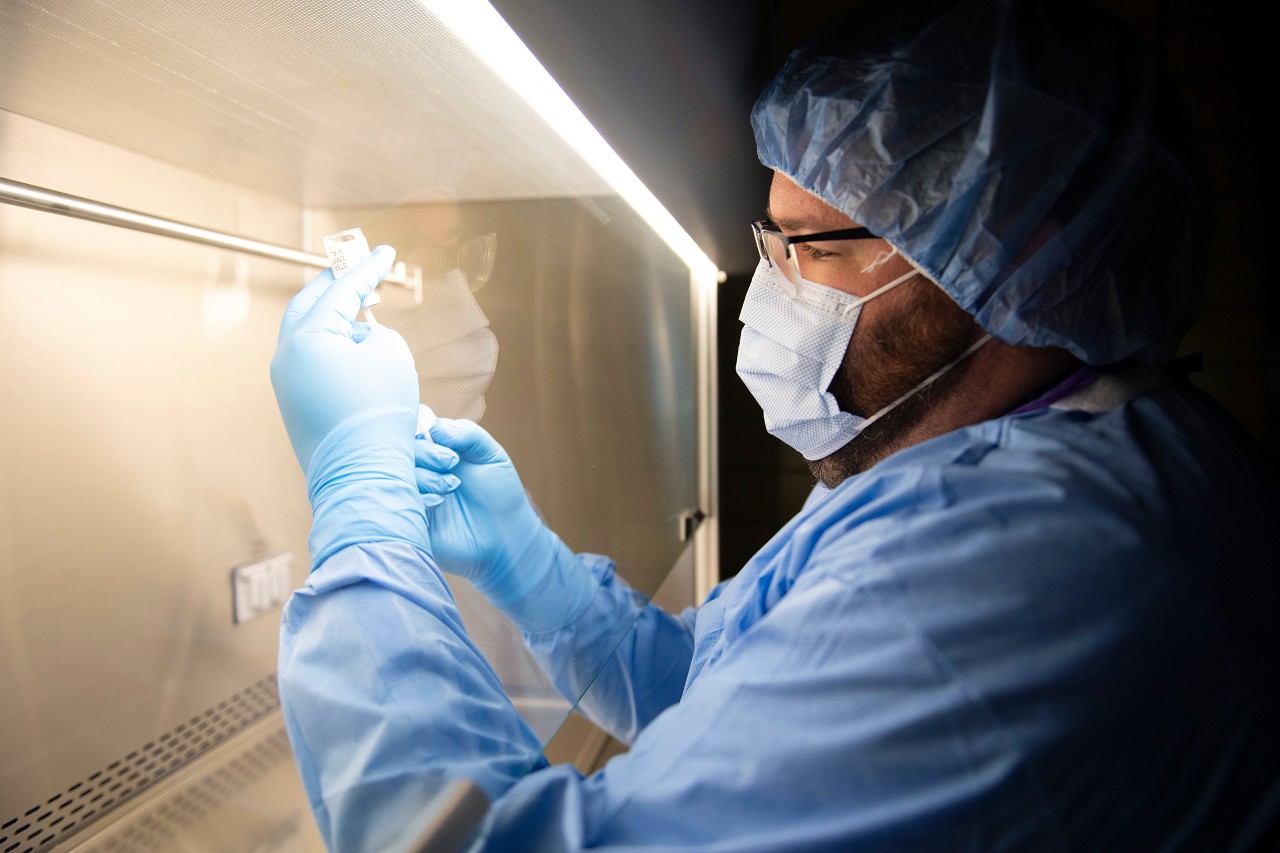
WLWT: Health experts recommend getting newly approved updated COVID-19 boosters
UC expert says new variants will trigger an increase in infections

The FDA approved and authorized new COVID-19 vaccine and booster shots from Moderna and Pfizer, as cases of the coronavirus have risen nationwide over the past few weeks. A CDC panel of outside vaccine advisers then voted by a wide majority to back new shots retargeted for newer variants ahead of the fall virus season.
The CDC committee voted in favor of "universal" recommendations for the shots to all Americans who are eligible, after weighing data and modeling backing the need for the new shots.
WLWT-TV interviewed Carl Fichtenbaum, MD, of the Division of Infectious Diseases at the UC College of Medicine about the new variants and the new vaccines.

Carl Fichtenbaum, MD, of the Division of Infectious Diseases at the UC College of Medicine/Photo/Joe Fuqua III/UC Marketing + Brand
"What we're seeing right now is a new strain, called EG.5, and that is sweeping across the country and it's likely to replace XBB.1.5 and all the other variants," said Fichtenbaum. "It's kind of a smorgasbord out there right now. And so we're going to see lots of people getting infected with that."
The new shots are similar to previously approved formulas but were updated to target the XBB variants — strains of the virus descended from the original Omicron variant — which became dominant last winter. Newer descendant strains have since emerged, though vaccine makers have announced early findings suggesting their shots will also work for the latest strains on the rise.
"So even if you just had COVID a couple of weeks ago, it's likely that another strain is coming, and you will still be at risk," Fichtenbaum said.
Lead photo/Colleen Kelley/UC Marketing + Brand
Next Lives Here
The University of Cincinnati is classified as a Research 1 institution by the Carnegie Commission and is ranked in the National Science Foundation's Top-35 public research universities. UC's graduate students and faculty investigate problems and innovate solutions with real-world impact. Next Lives Here.
Related Stories
UC expert offers advice to Cincinnati on climate change
August 14, 2026

In an op-ed, UC Associate Professor Bob Hyland talks about ways Cincinnati can become more resilient in face of climate change.
UC named a best employer in Ohio by Forbes
August 14, 2026

Forbes ranks the University of Cincinnati No. 24 on its 2026 America’s Best Employers By State list for Ohio, recognizing UC’s strong workplace culture and employee experience.
Mistakes to avoid when shopping for a product dupe
August 13, 2026

The University of Cincinnati’s Kelly Dobos was featured in an AARP article discussing ways to determine if “dupe” cosmetic products really are comparable to the more expensive name brand.