Enquirer: New vending machines offer naloxone, could reduce spread of HIV

The Cincinnati Enquirer recently reported on new vending machines located in Cincinnati that are stocked with free harm reduction supplies. The supplies include naloxone, the drug that reverses the effects of an opioid overdose, fentanyl test strips and condoms.
Harm reduction vending machines are becoming more common throughout Hamilton County and nationwide after a program run by Cincinnati nonprofit Caracole in partnership with the University of Cincinnati launched one of the first vending machines in the United States in 2021. Now, the new machines operated by Hamilton County Public Health are providing access in more areas of the city.
UC researcher Dan Arendt, PharmD, assistant professor in UC’s James L. Winkle College of Pharmacy and co-chair of the pain stewardship committee for UC Health, published research in 2022 that found the vending machine "led to an increased accessibility of harm reduction products and services" and helped contribute to Hamilton County’s overdose deaths decreasing in 2021. Since then, Arendt has continued to research the machine's effects.
Arendt and Suzanne Bachmeyer, Caracole's director of prevention, have become national and international advocates for the use of the vending machines. The duo was also recently featured in a recent Rotary Magazine story.
Arendt told Rotary Magazine that as of October 2023, naloxone accessed through the Caracole vending machine has been used to reverse nearly 3,500 overdoses since its launch in February 2021. Test strips have detected fentanyl in users' drug supply about 5,800 times.
"We found that the best bang for your buck in terms of just overall dollars spent in harm reduction is when naloxone is given to the community who is at risk," Arendt said. "It’s something that we’re hoping will help because this current system doesn’t work well enough that these things aren’t needed."
One of the earliest harm reduction organizations in the region, The Cincinnati Exchange Project, provided sterile syringes to people who used drugs beginning in 2014 and was led by former University of Cincinnati infectious disease expert Judith Feinberg.
Read the Enquirer article. (Note: Subscription may be required to read full article.)
Read the Rotary Magazine story.
Read more about the Caracole/UC vending machine project.
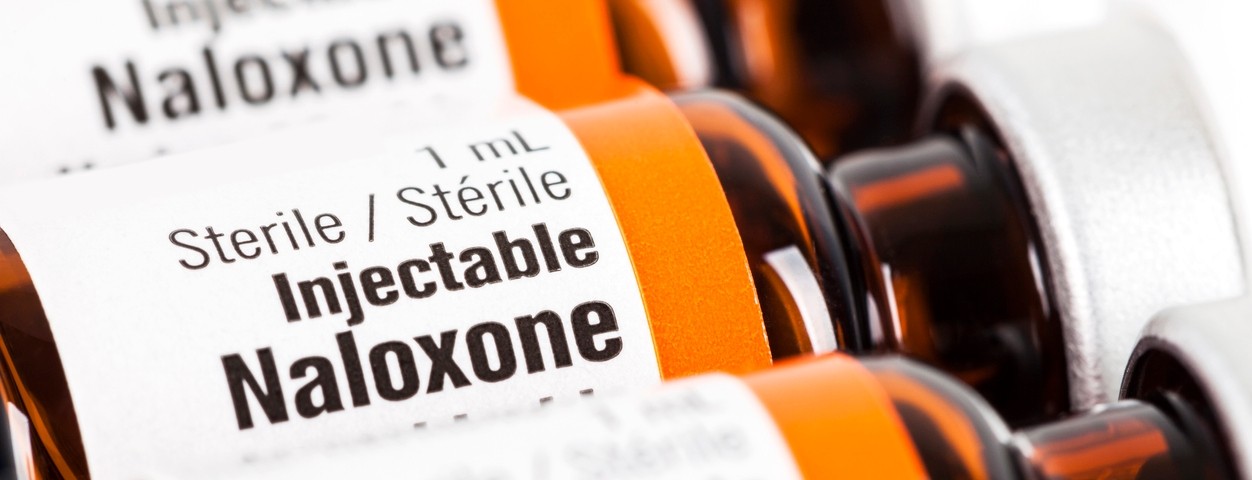
Featured photo at top of bottles of injectable naloxone. Photo/iStock/PowerofForever.
Related Stories
Her book drive is changing literacy in Cincinnati
August 31, 2026

WCPO highlights a nonprofit dedicated to childhood literacy that has offers co-op positions to UC students.
Heavy social media use linked to depression
August 31, 2026

U.S. News and World Report, Yahoo! News, MSN, USA Today and other national media highlight a new study by the University of Cincinnati and Northwestern University that found a correlation between heavy social media use and depression in adults.
These teeny spiders are social media stars
August 28, 2026

The New York Times turned to a University of Cincinnati professor to explain the appeal of jumping spiders on social media.