NY Post: Does body lotion attract spiders?
UC biologist weighs in on latest social media panic

The New York Post turned to a University of Cincinnati biologist to help debunk the latest social media panic over a Reddit review suggesting that wolf spiders were attracted to a popular brand of body lotion.
UC College of Arts and Sciences Professor George Uetz and his students study wolf spiders in his biology lab. And while his research has revealed some startling behaviors — particularly in the ways they communicate visually and through vibrations — he has never documented wolf spiders running to the smell of body butter.

UC biologist George Uetz. Photo/Lisa Ventre/UC
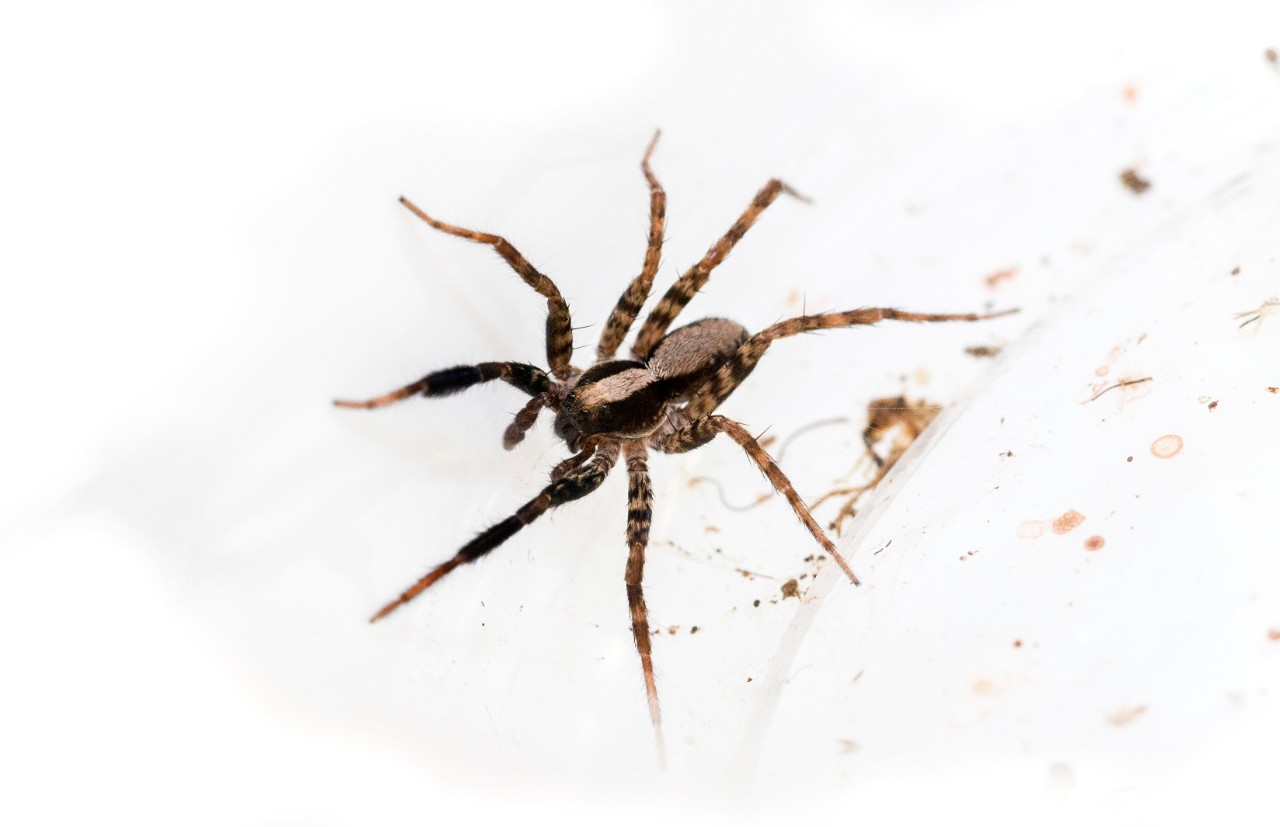
The Post was following up on a one-star brand review posted to Reddit that suggested the lotion attracted spiders — and not just any spiders but wolf spiders, which have a fearsome name but are actually so harmless that UC biology students routinely catch them by hand.
By Tuesday, the post on Reddit generated nearly 800 comments and reviewers on the brand page were promising new product reviews free of spider talk.
The brouhaha even made the storied pages of The New York Times.
The new urban legend gained traction when other posters suggested the body cream contained spider sex pheromones or chemicals used to signal receptivity.
But Uetz, who has published more than 200 studies primarily on spiders, told the New York Post that pheromones are highly species-specific.
“The internet is a great source of information, but it’s not always accurate, and someone putting a dab of body butter on a tissue and reporting in Reddit that it attracts spiders doesn’t count as research,” Uetz said.
Featured image at top: UC students study wolf spiders in a biology lab. Photo/Joseph Fuqua II/UC
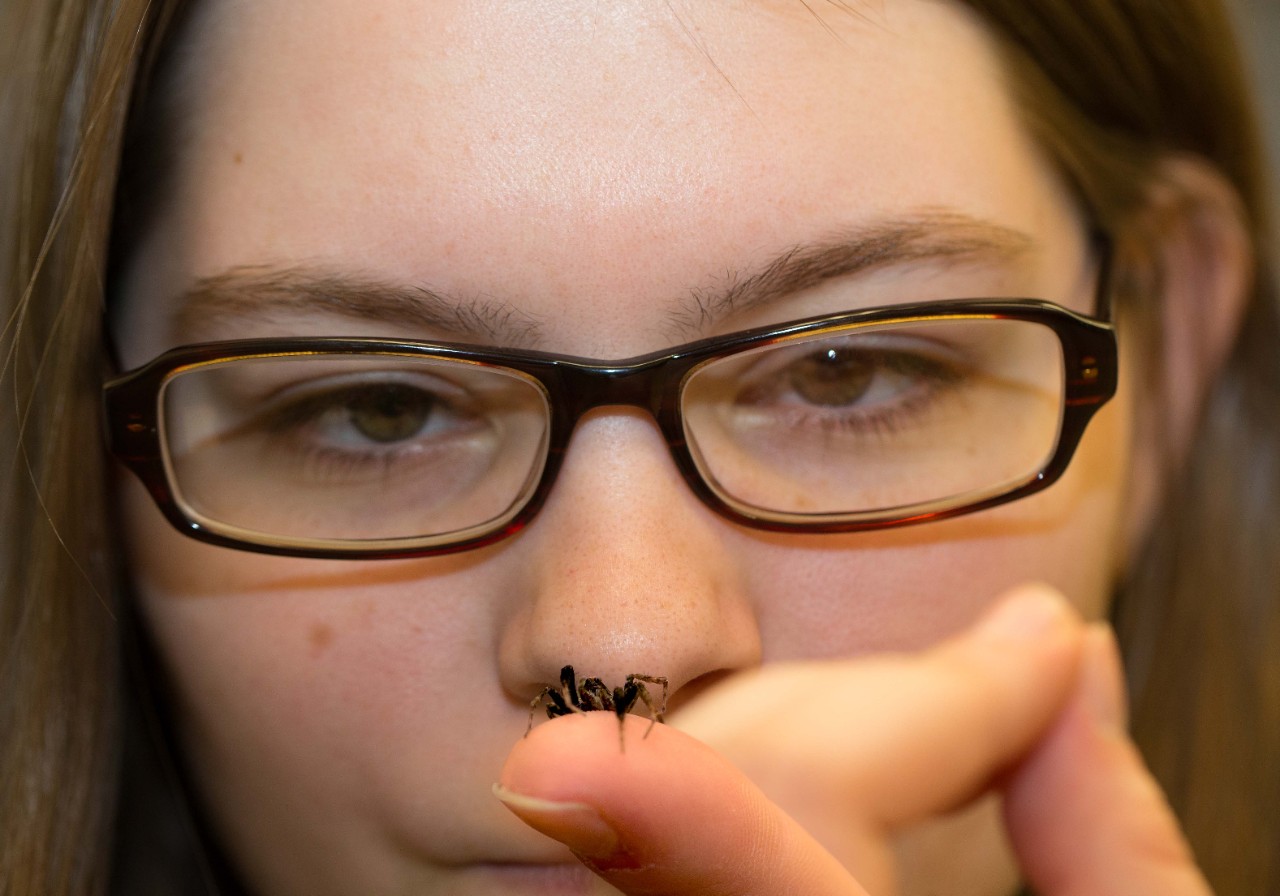
A UC student holds a harmless wolf spider in a biology lab. Photo/Joseph Fuqua II/UC
Related Stories
Cancer Center plays key role in lab research, clinical trials for new pancreatic cancer drug
September 1, 2026

WLWT and WCPO highlighted the contributions of University of Cincinnati Cancer Center researchers that helped lead to the recent FDA approval of daraxonrasib, a new treatment for pancreatic cancer.
An expert pieced together this Roman document like a puzzle
September 1, 2026

National media highlighted a new project by UC Classics Assistant Professor Matthijs Wibier to piece together and translate an ancient Roman text from fragments buried in the desert for more than 1,600 years.
Her book drive is changing literacy in Cincinnati
August 31, 2026

WCPO highlights a nonprofit dedicated to childhood literacy that has offers co-op positions to UC students.