
U.S. News & World Report: Smoking residue on household surfaces can harm kids
Tobacco researcher Ashley Merianos leads study of thirdhand smoke in homes where children reside

A new study by UC tobacco researcher Ashley Merianos was featured in U.S. News & World Report.
The study measured the amount of nicotine and tobacco related toxins on surfaces in smoking households where children reside. The residue that remains on surfaces such as walls, tables, floors and decor is called thirdhand smoke.
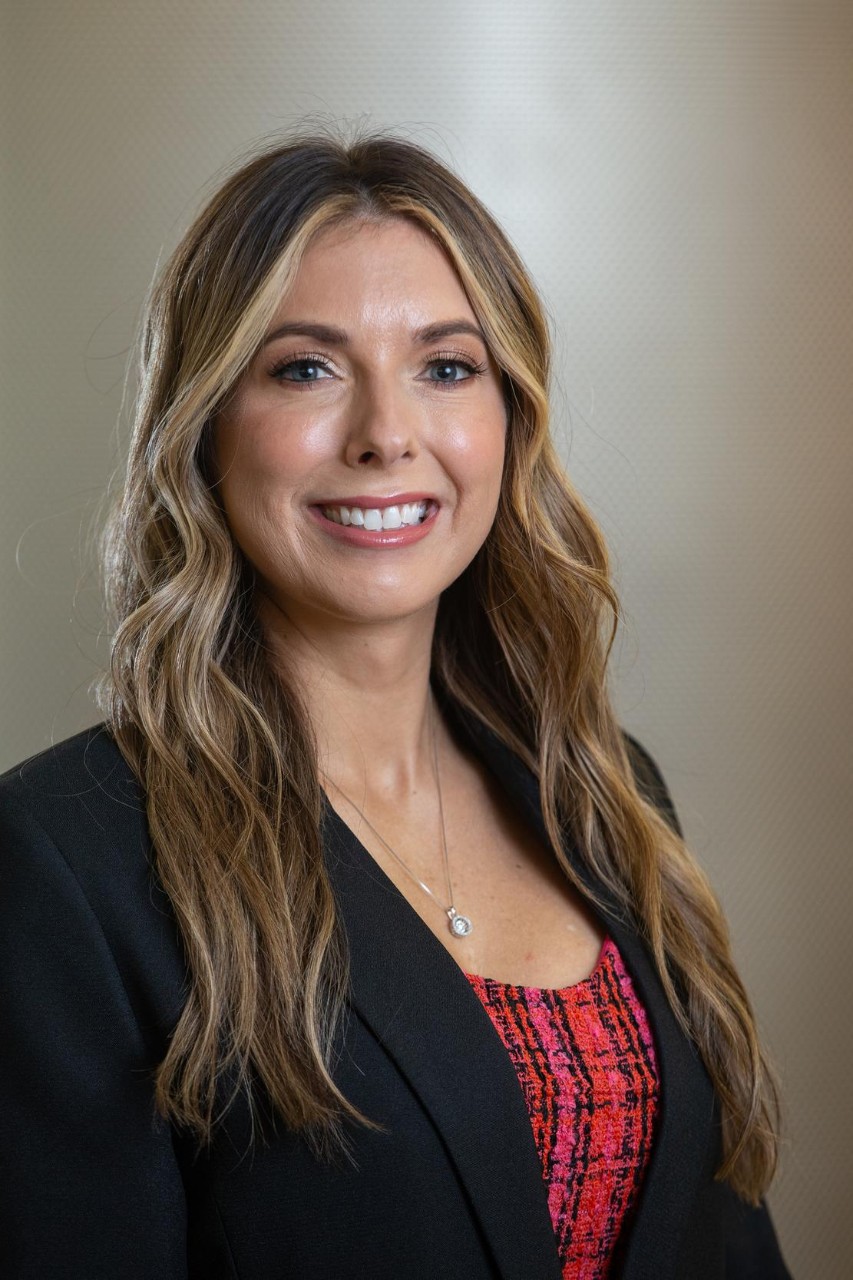
Ashley Merianos is an associate professor in UC's school of Human Services
Merianos led a research team that tested homes of 84 children found nicotine on surfaces in every home, and nearly half had detectable levels of a tobacco-specific carcinogen called NNK. Residue was also found in households with indoor smoking bans.
"This is critically important and concerning," said Merianos, an associate professor in the College of Education, Criminal Justice and Human Services.
Merianos is a research affiliate member of Cincinnati Children’s Hospital Medical Center, the Thirdhand Smoke Research Consortium and the American Academy of Pediatrics Tobacco Consortium.
Featured image at top of cigarette and ashtray. Photo/iStock/Kotlyarchuk
Impact Lives Here
The University of Cincinnati is leading public urban universities into a new era of innovation and impact. Our faculty, staff and students are saving lives, changing outcomes and bending the future in our city's direction. Next Lives Here.
Related Stories
UC Foundation celebrates 2026 philanthropy winners
October 23, 2026
The University of Cincinnati Foundation recognized its Outstanding Philanthropic Volunteer Award honorees at the George Rieveschl Recognition Dinner on October 22, 2026.
AI breast cancer survival model from Cancer Center could improve accuracy and personalize care
October 23, 2026
UC Cancer Center researchers, including lead author Wedad Alatebi, developed a deep learning survival model for breast cancer that combines detailed clinical and genetic information, potentially offering physicians a more accurate tool to guide treatment decisions.
UC expert explains potential impact of Pennsylvania’s new vape product law
October 22, 2026

UC professor Ashley Merianos speaks to the Pittsburgh Post-Gazette about Pennsylvania’s new vape law, youth vaping prevention, enforcement challenges and possible unintended consequences.