
Campaign proposals could have unintended economic effects
UC economist tells ABC News that efforts to help Americans could lead to higher prices, scarcity

Government interventions that would attempt to help consumers could lead to other problems, a University of Cincinnati economist told ABC News.
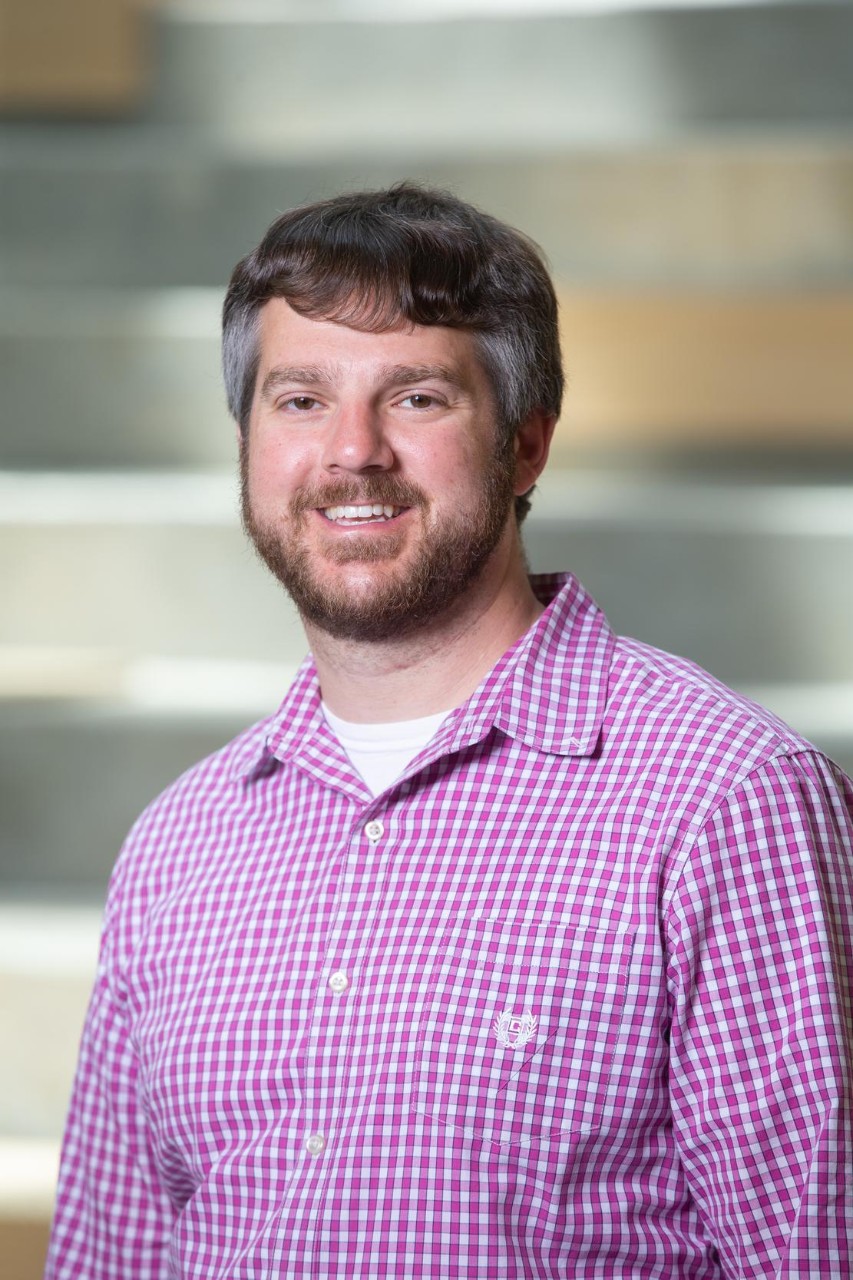
Michael Jones, PhD, assistant professor of economics
Vice President Kamala Harris has unveiled the economic agenda for her presidential campaign, which includes a ban on grocery price gouging, a $25,000 subsidy for first-time homebuyers and child tax credits. To evaluate the proposals, ABC News turned to economists including Michael Jones, PhD, assistant professor of economics in the University of Cincinnati's Carl H. Lindner College of Business.
Jones said Harris’ strategy to deal with inflation through a price-gouging ban could lead to scarcity of goods.
"If there's a restriction on the prices that companies can charge for products, they simply won't supply them," he said.
A subsidy for homebuyers could cause sellers to boost their asking prices, negating any benefit for the buyers, Jones said.
"If they have $25,000 more to spend on a house, they'll submit bids up to $25,000 higher for the home," he said. "That policy in particular is a bad idea because it won't bring the price of housing down."
Featured image at top: A woman shops for groceries with a motorized shopping cart. Photo/Amigo Mobility via Unsplash
Impact Lives Here
The University of Cincinnati is leading public urban universities into a new era of innovation and impact. Our faculty, staff and students are saving lives, changing outcomes and bending the future in our city's direction. Next Lives Here.
Related Stories
Will a gas tax help lower prices at the pump?
May 14, 2026

WCPO recently reported on Kentucky and Indiana’s steps to combat surging gas prices, cutting and suspending state gas taxes, respectively. UC economist Michael Jones explained the impact on Cincinnati.
Is a colonoscopy painful?
May 13, 2026

The University of Cincinnati's Susan Kais, MD, assistant professor of clinical medicine in the Division of Gastroenterology and Hepatology in the College of Medicine and UC Health gastroenterologist, recently appeared on the ARC Cincinnati morning program on Local 12/WKRC-TV to answer common questions from viewers about colonoscopies and to dispel myths.
Telescope captures information about lonely Jupiter-like gas giant
May 13, 2026

Science outlets highlight a University of Cincinnati student's collaborative discoveries about an exoplanet 901 light years away.