New marijuana detection tool may soon arrive for Ohio law enforcement
UC expert discusses effects of marijuana on drivers with Fox 19

The Ohio legislature is debating approving a swab test that law enforcement could use to test for marijuana use for suspected impaired drivers.
Supporters say the swab is less intrusive and avoids having to take drivers to hospitals for a blood draw or to police stations for a urine test.
State Rep. Cecil Thomas (D-Cincinnati) told Fox 19 he voted in favor of the House version of the bill but does not think the swab test results should be the only determining factor determining impaired driving due to cannabis use, noting marijuana can stay in a person's system and be detectable for up to 30 days after usage.
Regardless of if the swab test is approved, the University of Cincinnati's Dan Bebo, MD, told Fox 19 that cannabis intoxication and driving should never mix.
"It would be a mistake to think that cannabis is any safer than alcohol or that alcohol is any safer than cannabis when it comes to operating motor vehicles," said Bebo, associate professor in the Department of Psychiatry and Behavioral Neuroscience in UC's College of Medicine. "Cannabis intoxication is connected with slower reflexes and can increase your risk of having a motor vehicle accident."
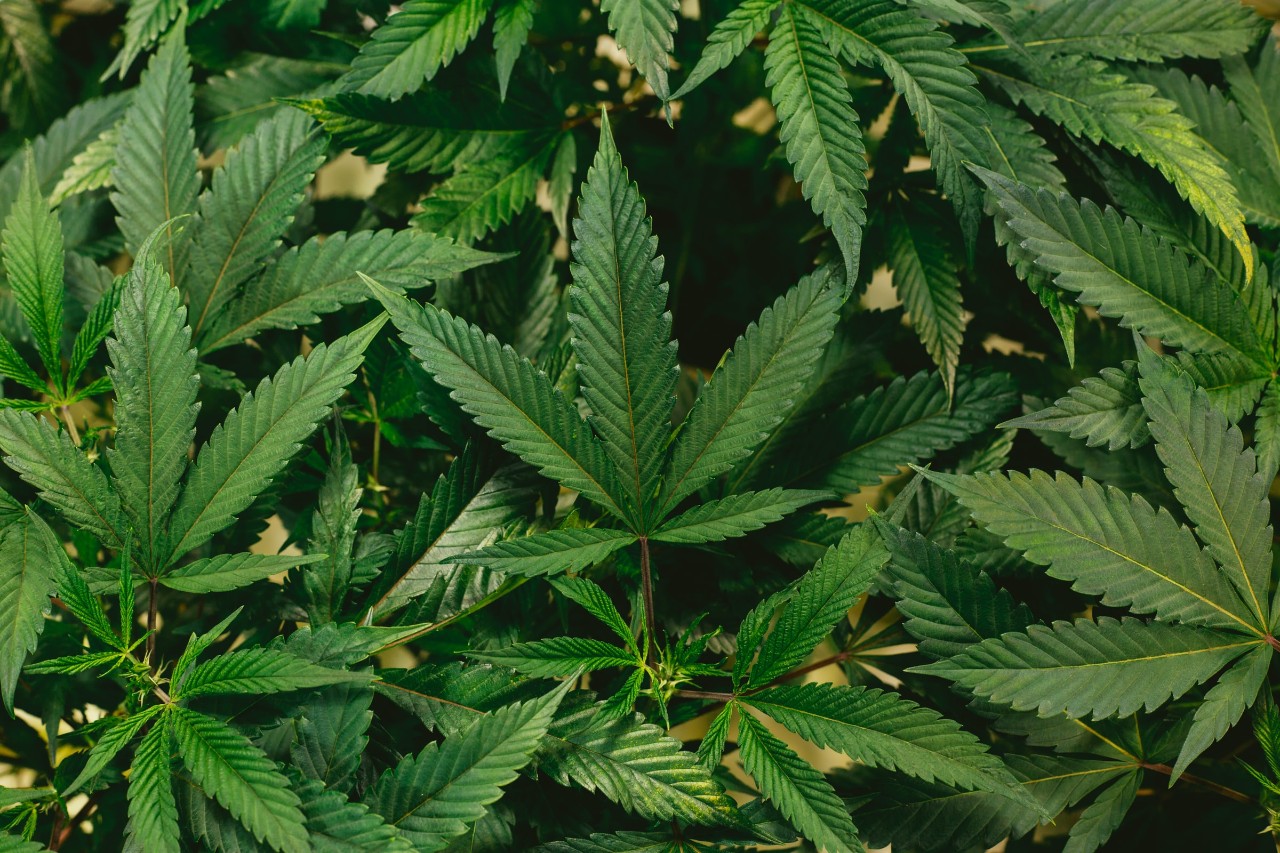
Featured photo at top of marijuana leaves. Photo/Jeff W/Unsplash.
Related Stories
UC radiation oncologist speaks with Local 12 news about clinical trial for head and neck cancer treatment
August 10, 2026

Dr. Sara Medek, a UC radiation oncology professor, speaks with Local 12 news about a new clinical trial aimed at reducing radiation in certain areas while still treating cancer effectively but with fewer painful side effects.
Cancer Center director charts future based on collaboration, AI
August 10, 2026

David Gius, MD, PhD, was featured in a Cincinnati Business Courier article and The Cancer Letter’s “The Directors" podcast discussing his priorities and goals as he recently took the helm as director of the University of Cincinnati Cancer Center.
Riding the wave of the Odyssey effect
August 10, 2026

UC Classics experts discuss how Christopher Nolan's film "The Odyssey" is boosting tourism in Greece.