
LGBTQ couples in South Korea enjoy a rare legal win for health benefits
The Wall Street Journal reports on LGBTQ acceptance and speaks with UC Law's Ryan Thoreson

LGBTQ individuals continue to face challenges in gaining public acceptance of same-sex couples in South Korea. But that community enjoyed a win earlier this year thanks to a mix up in joint family coverage with the nation’s public health insurer.
The case involving fairness for Kim Young-min and So Sung-uk ended up before South Korea’s Supreme Court when their health benefits were rescinded. A hard fought legal battle eventually produced a landmark victory earlier this year. The high court’s chief justice called the rescinding of health benefits an act of discrimination that “violates human dignity and value.”
The Wall Street Journal reported the story, which also appeared recently on MSN, and spoke with Ryan Thoreson, an assistant professor in the University of Cincinnati College of Law.
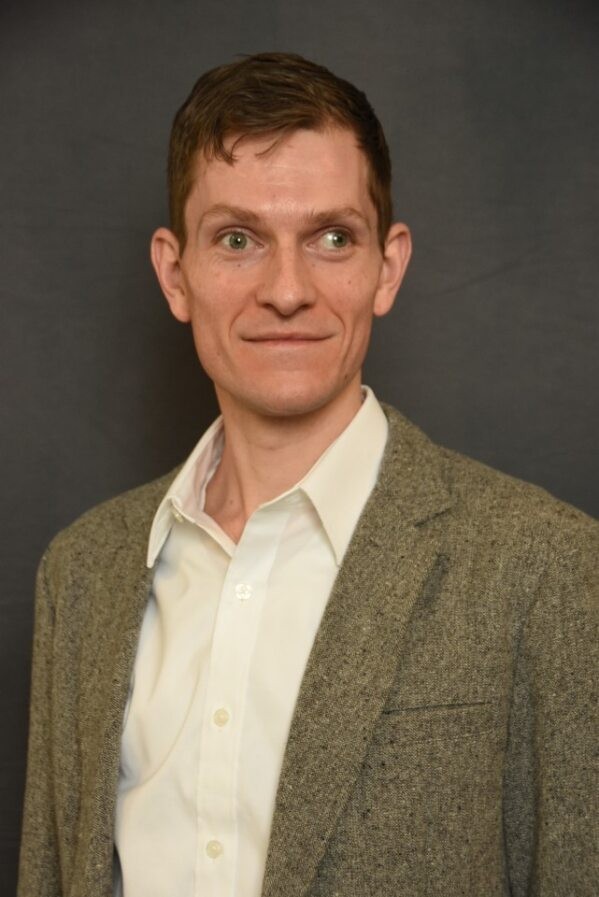
Ryan Thoreson is an assistant professor at UC Law.
South Korean activists and lawyers say the Supreme Court’s recent ruling affects joint health coverage, but is likely applicable to a wider range of government services and entitlements.
Thoreson told The Wall Street Journal that once courts provide same-sex couples the protections afforded to married households, the argument against marriage equality for LGBTQ individuals becomes increasingly difficult.
Furthermore, the more visibility LGBTQ couples have in society, like Kim and So in South Korea, the more accepting the public becomes of such causes, added Thoreson, who is also a specialist on LGBTQ right for Human Rights Watch
“The public storytelling around these cases is essential for non-LGBTQ people to understand what’s at stake,” Thoreson told The Wall Street Journal.
Two-fifths of South Koreans support same-sex marriage, according to the Pew Research Center. That is lower than the Asia-wide median of roughly 50%, Pew said.
Thoreson, who received his JD at Yale University, is a scholar of contemporary social movements around gender and sexuality, constitutional law, comparative and international law and human rights law.
Read the full story from The Wall Street Journal story online.
Learn more about the scholarship of UC Law’s Ryan Thoreson online.
Related Stories
UC Foundation celebrates 2026 philanthropy winners
October 23, 2026
The University of Cincinnati Foundation recognized its Outstanding Philanthropic Volunteer Award honorees at the George Rieveschl Recognition Dinner on October 22, 2026.
UC expert explains potential impact of Pennsylvania’s new vape product law
October 22, 2026

UC professor Ashley Merianos speaks to the Pittsburgh Post-Gazette about Pennsylvania’s new vape law, youth vaping prevention, enforcement challenges and possible unintended consequences.
Still the top ‘cat
October 20, 2026

The University of Cincinnati Bearcat mascot was voted Cincinnati’s favorite mascot in a Cincinnati Enquirer reader poll, earning 45.1% of the vote and topping other local favorites.