
An international surrogacy ban could disrupt the families of same-sex couples in Italy
UC Law Professor Ryan Thoreson weighs in on the topic with USA Today

Legal experts and LGBTQ activists in Italy say a new law criminalizing international surrogacy could have a chilling effect on the country's same-sex families and their children, reports USA Today.
They fear that same-sex couples could be singled out for criminal investigation and that egal ties between gay parents and their children might be severed. Italian citizens could be jailed for a procedure that's completely legal in other countries, including the United States.
Ryan Thoreson, assistant professor in the UC College of Law, spoke with USA Today about the new law. He says what remains unclear is what would happen to children whose parents are penalized for seeking surrogacy abroad.
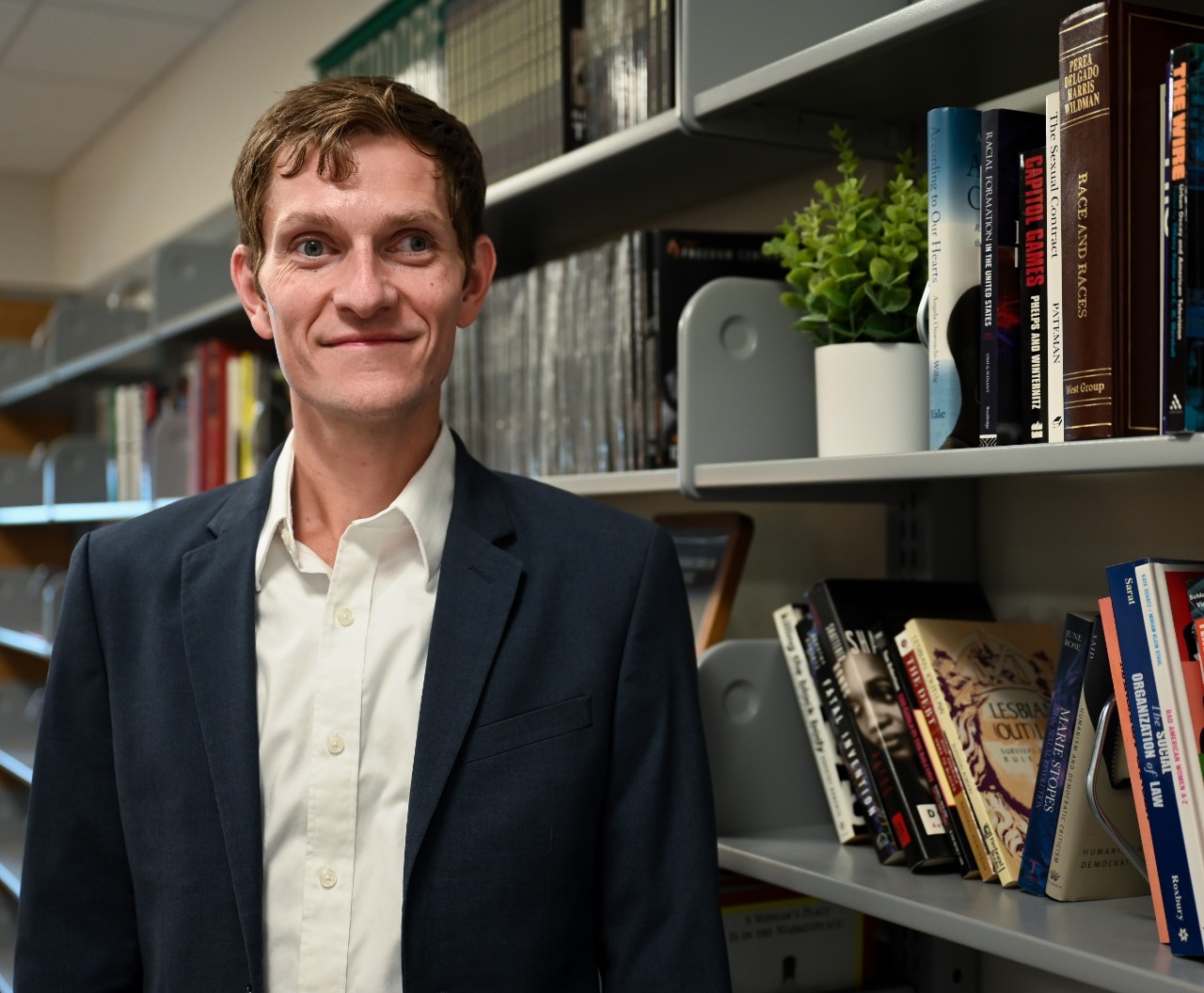
Ryan Thoreson, assistant professor at UC Law. Photo provided.
"A same sex couple comes back from the United States, where they've legally had a child through surrogacy. Potentially, both of those parents are going to prison,” Thoreson told USA Today. “What happens to the child?"
Equally unclear is how Italy would impose penalties on a procedure performed in countries where it is totally legal.
Surrogacy was banned in Italy two decades ago. But the new law goes one step further by imposing criminal penalties on Italians who have children through the procedure, even in countries where it's legal.
A straight couple returning from a trip abroad with a newborn child wouldn't be under suspicion, while a gay couple, particularly two men, could immediately be singled out, according to Roberto Muzzetta, the vice president of the Milan chapter of Arcigay, Italy's largest LGBTQ non-profit. The result could amount to a cultural "witch hunt" for gay families, he told USA Today.
Read the full USA Today story online.
Learn more about UC Law’s Ryan Thoreson online.
Featured top image of two men with a newborn courtesy of Istock.
Related Stories
How phone scammers use your own voice against you
September 18, 2026

The Wall Street Journal recently did a deep dive on how artificial intelligence is making scamming people over the phone much easier, citing research by Kimberly Hyun, assistant professor of marketing at UC’s Lindner College of Business.
Gas prices spike... Again
September 18, 2026

UC economist Gary Painter goes through the tactics companies use to keep their consumer bases amid rising oil costs.
University of Cincinnati and Hamilton County work to lower overdose deaths
September 17, 2026

University of Cincinnati researchers and Hamilton County officials are using overdose data to identify Cincinnati hot spots and place free NaloxBoxes and fentanyl test strip dispensers where they are needed most to help prevent opioid overdose deaths.