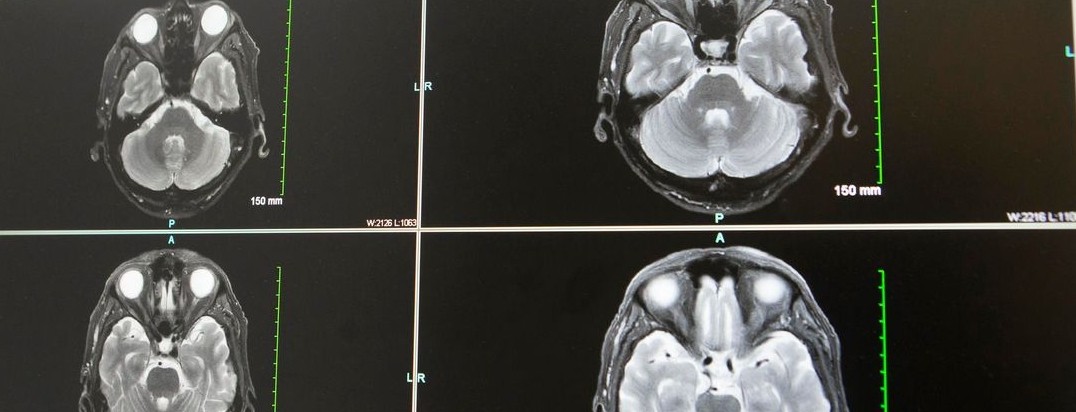
Stroke symptoms women should look out for
UC expert featured in MSN, Huffington Post UK article

The University of Cincinnati helped pioneer the "FAST" acronym to identify symptoms of stroke, but symptoms of stroke can sometimes present themselves differently in women.
"Women more frequently have atypical, vague symptoms," Pooja Khatri, MD, professor, vice chair of research and division chief in the Department of Neurology and Rehabilitation Medicine at UC's College of Medicine and associate director of the UC Gardner Neuroscience Institute, told MSN and Huffington Post UK. "[Symptoms] might start with fatigue, confusion or maybe general weakness, as opposed to weakness on one side of the body.”
Khatri said sometimes these stroke symptoms can be so "subtle" that women brush them off, but unusually bad headaches, exhaustion, brain fog, nausea, difficulty walking and anything that comes on very suddenly should sound alarms. She recommended to take "any sudden symptom or loss in function that you can’t explain” seriously.
“The key is that it’s sudden,” she added.
Read the MSN article, originally published on Huffington Post UK.
Featured photo at top of brain scans. Photo courtesy of Joseph Broderick.
Related Stories
UC expert offers advice to Cincinnati on climate change
August 14, 2026

In an op-ed, UC Associate Professor Bob Hyland talks about ways Cincinnati can become more resilient in face of climate change.
UC named a best employer in Ohio by Forbes
August 14, 2026

Forbes ranks the University of Cincinnati No. 24 on its 2026 America’s Best Employers By State list for Ohio, recognizing UC’s strong workplace culture and employee experience.
Mistakes to avoid when shopping for a product dupe
August 13, 2026

The University of Cincinnati’s Kelly Dobos was featured in an AARP article discussing ways to determine if “dupe” cosmetic products really are comparable to the more expensive name brand.