
UC study sheds light on copper’s role in driving kidney cancer
Research published in the journal Cancer Discovery

A new study led by University of Cincinnati Cancer Center researchers details how the accumulation of copper helps clear cell renal cell carcinoma (ccRCC) — the most common kidney cancer — grow and advance in stage. The findings were published Oct. 31 in Cancer Discovery, a journal of the American Association for Cancer Research.
Study results
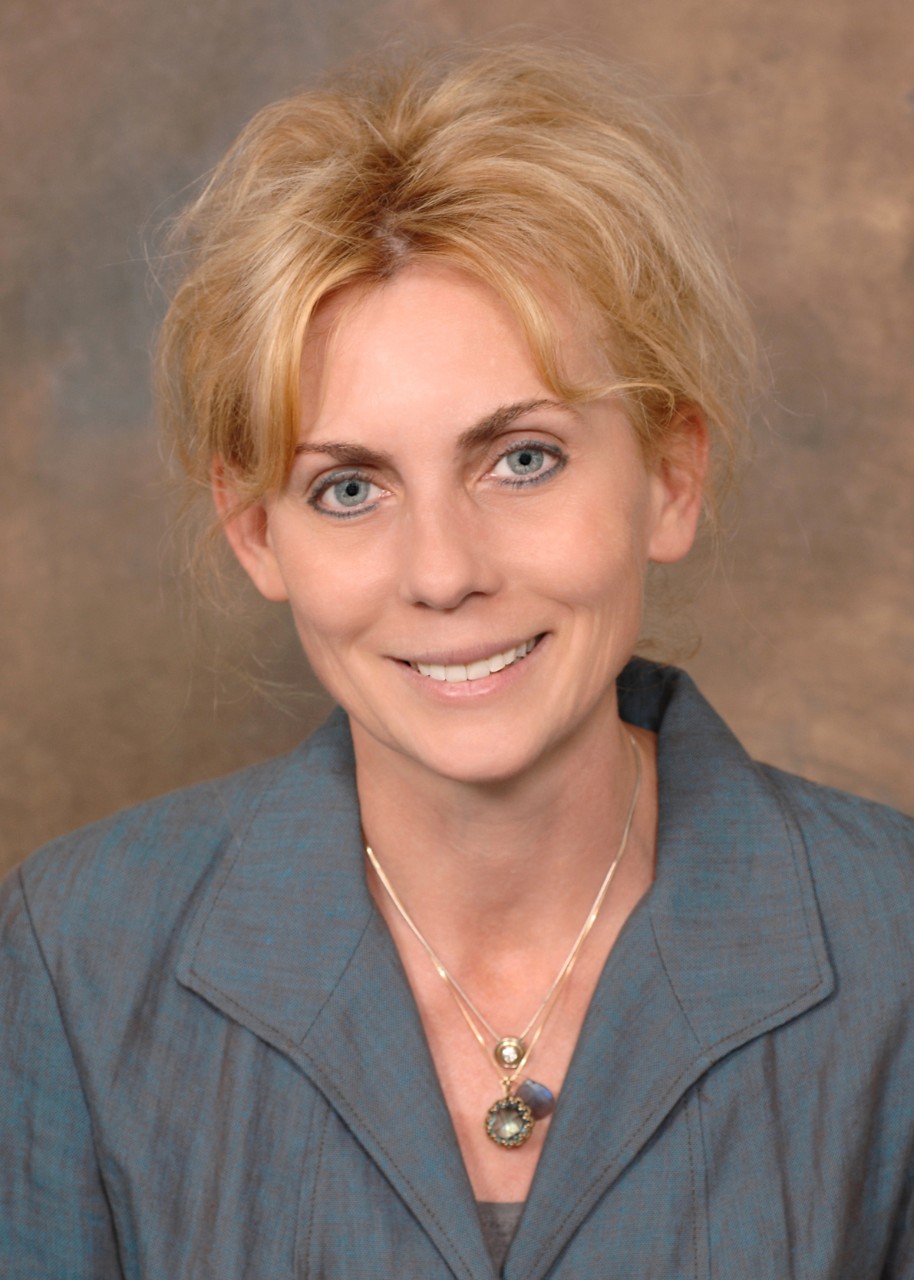
Maria Czyzyk-Krzeska, MD, PhD. Photo/University of Cincinnati.
Copper is an essential trace element that is required to produce energy in the body and allows humans to live in an oxygen-containing atmosphere.
The Cancer Center’s Maria Czyzyk-Krzeska, MD, PhD, lead author of the research, said that increased accumulation of copper is associated with worse outcomes for patients with ccRCC. Using a multidisciplinary approach, Czyzyk-Krzeska and her colleagues established that ccRCC cells accumulate more copper as they advance from stage 1 toward metastatic disease.
The team found high copper levels help cancer cells make more of a special enzyme that boosts their energy and growth. At the same time, sugar (glucose) helps create a protective molecule called glutathione. This molecule clears out toxins and reduces the harmful effects of copper, giving cancer cells an extra survival boost.
“In other words, copper induces an orchestrated, multilevel adaptation of cancer cells that promotes tumor growth,” said Czyzyk-Krzeska, professor in the Department of Cancer Biology in UC’s College of Medicine. “It causes a change in the cell’s metabolic state.”
Using single-cell RNA sequencing and spatial transcriptomics, the team discovered that ccRCC tumors have metabolic “hot spots” with enriched copper-dependent energy production. These hot spots are in proximity to other tumor cells that have proliferative features essential for tumor growth.
“That is something that is very important because it can allow us to hypothesize that those proliferative cells are supported by the cells that are active metabolically,” Czyzyk-Krzeska said. “We can also speculate that some of these metabolically active cells eventually progress to become more proliferative.”
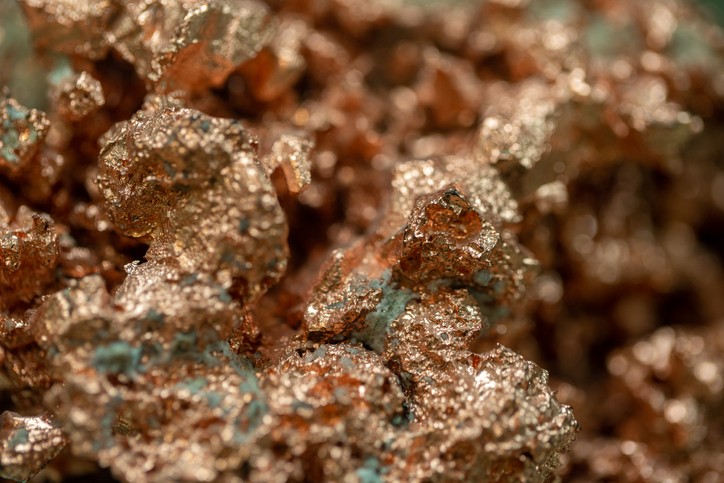
Copper promotes clear cell renal cell carcinoma tumor growth through an orchestrated series of cell adaptations, the researchers found. Photo/FactoryTH/iStock.
Next steps
Czyzyk-Krzeska emphasized that even though it is now better understood how copper helps ccRCC cells grow, it is still unknown exactly what is causing copper to accumulate in these tumors in the first place.
Experts hypothesize the copper accumulation can result from environmental exposures such as tobacco smoking, e-cigarette use or exposure to wildfire smoke that is heavy in copper. Veterans are known to be at a higher risk for kidney cancer, and exposure to copper in ammunition or at shooting ranges may also be a contributing factor. However, copper uptake by cancer cells can also be caused by mechanisms intrinsic to the tumors.
Moving forward, Czyzyk-Krzeska said the research is still in experimental phases, but the knowledge gained has identified potential vulnerabilities that can be targeted with new treatments. These treatments could look like co-therapies that target both metabolic and proliferative cells, she noted.
Levels of copper in patient specimens could also be used as a biomarker to predict how aggressive the cancer is or whether it is likely to recur after initial surgery.
In addition to the Czyzyk-Krzeska lab’s molecular biology work, Julio Landero Figueroa, PhD, of the Icahn School of Medicine at Mount Sinai, conducted metallomic analytical chemistry to determine the copper levels in human, animal and cell line models. Jarek Meller, PhD, professor in UC’s Department of Biostatistics, Health Informatics and Data Science in the College of Medicine, supervised and conducted the bioinformatics portion of the research.
“It’s a typical example of team science and the impact it can have when people from different disciplines like chemists, bioinformaticians, cancer biologists and physicians work together,” Czyzyk-Krzeska said. “You have this combination of different expertise, and you start talking, and good things happen.”
Stay connected with the Cancer Center
Interested in learning more about the University of Cincinnati Cancer Center? Keep up to date by signing up for communications and newsletters based on your specific interests. Sign up for Cancer Center communications.
Study coauthors include Megan Bischoff, Dina Secic, Juechen Yang, Behrouz Shamsaei, Bhargav Vemuri, Julie Reisz, Angelo D’Alessandro, Caterina Bartolacci, Rafal Adamczak, Lucas Schmidt, Jiang Wang, Amelia Martines, Jahnavi Venkat, Vanina Toffessi Tcheuyap, Jacek Biesiada, Catherine Behrmann, Katherine Vest, James Brugarolas, Pier Paolo Scaglioni, David Plas, Krushna Patra, Shuchi Gulati, Landero Figueroa, Meller, Czyzyk-Krzeska and John Cunningham.
Featured photo at top of periodic table highlighting copper. Photo/HT Ganzo/iStock.
Related Stories
UC Klekamp Law reports July 2026 Bar Exam results
October 16, 2026
The Klekamp College of Law has shared the results of the 2026 Ohio Bar Exam, as well as results from other jurisdictions.
How can Cincinnati provide more affordable housing? This new lab aims to find out
October 16, 2026

The University of Cincinnati Real Estate Center helped launch a new regional research and development initiative designed to identify, test and scale solutions to the region’s housing challenges called the Housing Innovation Lab. The project is built around a simple idea: What if communities approached housing challenges the way leading companies approach innovation?
Collaboration over consultation
October 16, 2026
New University of Cincinnati research published in the journal Health Expectations found stroke survivors participating in rehab research desire an approach that prioritizes shared decision-making, peer relationships and a focus on what they can accomplish rather than their deficits.