
Scientists find shocking changes in global river flooding
UC study examines changing river flows around the world

CNN highlighted a study by an environmental engineer at the University of Cincinnati who tracked changes in river flows in waterways around the world.
UC College of Engineering and Applied Science Assistant Professor Dongmei Feng and her research partner, Colin Gleason at the University of Massachusetts Amherst, mapped the flow of water in nearly 3 million rivers, creeks and streams for the past 35 years and discovered more water flowing in upstream headwaters and decreasing flows downstream where more people live.
The study published in the journal Science identified an increase in catastrophic floods known as 100-year floods in upstream waters over the last 35 years.
Researchers found significant declines in water flow in 44% of downstream sections of rivers and significant increases in 17% of upstream sections.
These changes can have profound effects on navigability, pollution, portability and even hydroelectric power. More sedimentation can cut off water flow to dams and damage turbines.
“We found that the rivers around the world are changing,” said Feng, the study’s lead author, who teaches environmental engineering at UC.
More UC environmental engineering in the news
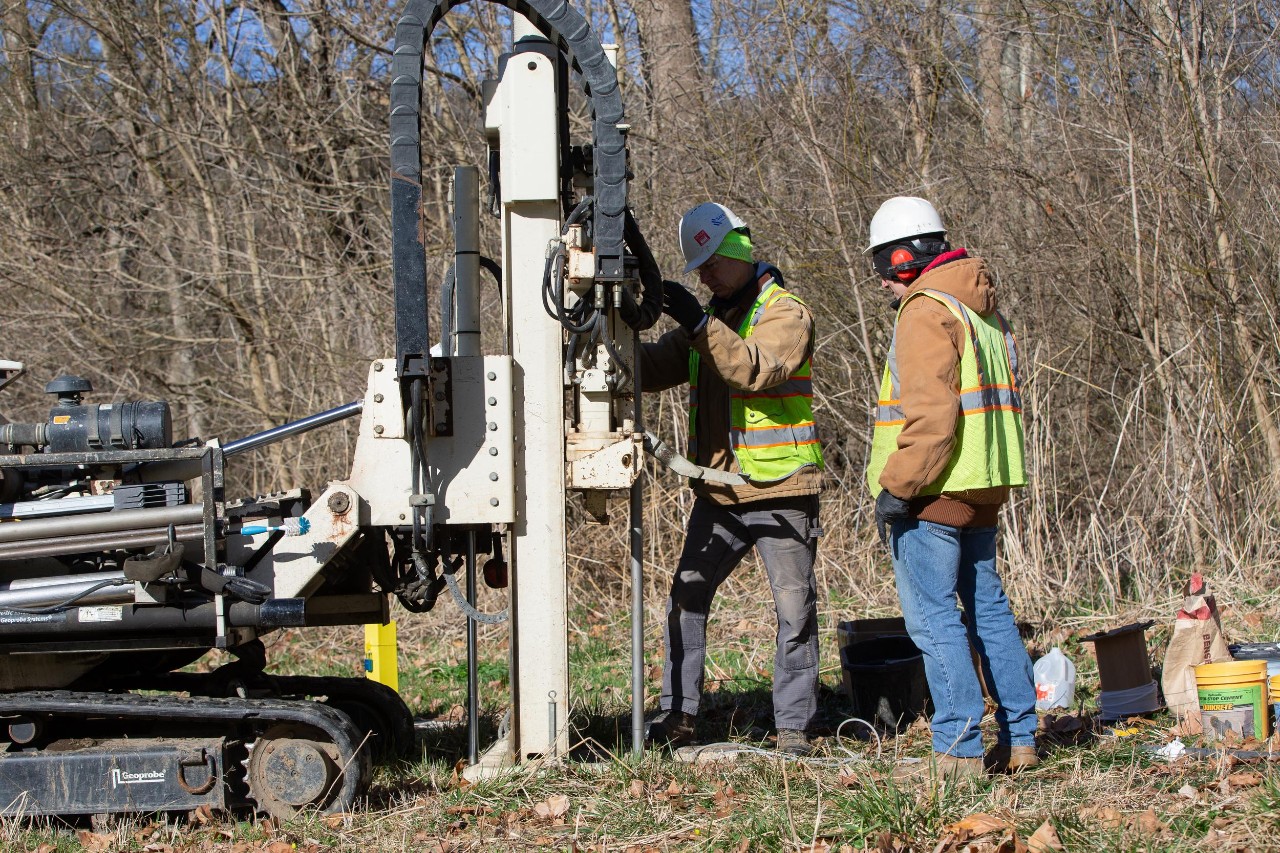
Workers dig a new monitoring well at UC's groundwater observatory on the banks of the Great Miami River. Photo/Andrew Higley/UC Marketing + Brand
- Courthouse News Service: New study discovers major changes in global river flows
- El Mundo: (Spain) The flow of 17% of world's rivers has surged in upper reaches, causing major floods
- Welt der Physik: (Germany) Rivers in Transition
Related Stories
AI breast cancer survival model from Cancer Center could improve accuracy and personalize care
October 23, 2026
UC Cancer Center researchers, including lead author Wedad Alatebi, developed a deep learning survival model for breast cancer that combines detailed clinical and genetic information, potentially offering physicians a more accurate tool to guide treatment decisions.
UC expert explains potential impact of Pennsylvania’s new vape product law
October 22, 2026

UC professor Ashley Merianos speaks to the Pittsburgh Post-Gazette about Pennsylvania’s new vape law, youth vaping prevention, enforcement challenges and possible unintended consequences.
UC Biomedical Engineering student launches mobile healthcare platform
October 22, 2026
As a fifth-year biomedical engineering student at the University of Cincinnati College of Engineering and Applied Science, Amelia Wares has been a trailblazer in nearly every area imaginable — and this is only the beginning of her journey.