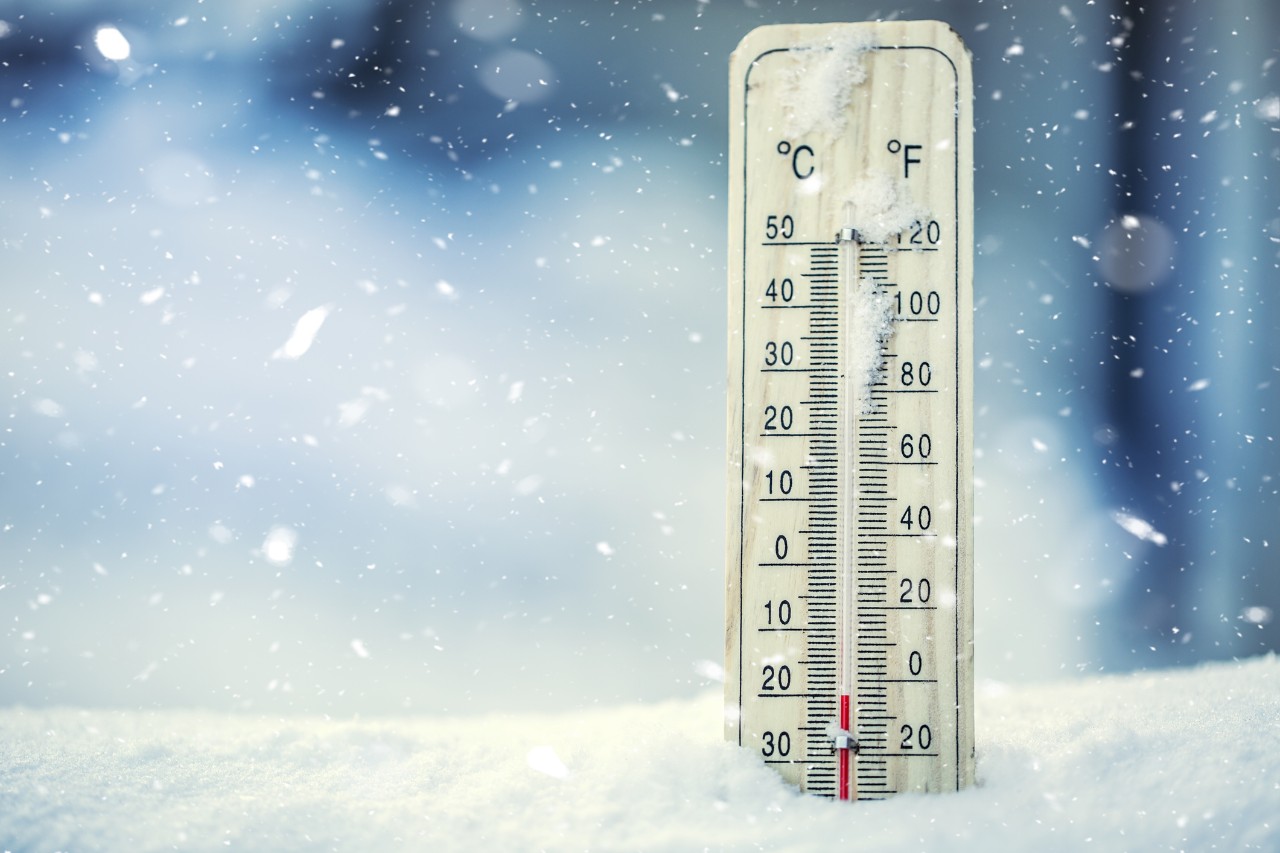
Extreme cold usually deadlier than extreme heat, data shows
UC expert shares factors that leave some people more exposed to the elements

At least five deaths across three different counties in Ohio already this year are being investigated as hypothermia-related. Data from the Hamilton County Coroner's Office shows that in Cincinnati, cold is deadlier than heat.
Between 2020 and 2024, 28 Cincinnati area residents died from hypothermia, which usually is caused by the cold. That's more than twice the number of those who died from hyperthermia, the medical term for when someone's body overheats.
"There are similar risk factors for both," Joseph Kiesler, MD, recently told The Cincinnati Enquirer. He's a professor of family and community medicine in the University of Cincinnati College of Medicine.
Kiesler has treated unhoused patients for more than a decade. He said using alcohol, old age, dehydration and malnutrition are factors that leave some people more exposed to the elements than others.
Potential victims of last month's snowstorm and subzero temperatures hailed from Hamilton, Warren and Clermont Counties, and ranged in age from from 35 to 94.
Three of the victims were not unhoused, with the exception of a 45-year-old man in Felicity, who was found unresponsive in his van.
The housing status of one unnamed man found face down in the snow behind Norwood's Skyline Chili is unknown, according to the Norwood Police Department.
Featured image at top: iStock/MarianVejcik.
Related Stories
Bidirectional link between oral, kidney health calls for patient education, access
August 4, 2026

Despite growing awareness of the connection between oral health and chronic health conditions, patient awareness and access to dental care remain limited, according to University of Cincinnati experts who recently spoke with Healio | Nephrology News & Issues.
'Be human in it': UC College of Medicine welcomes Class of 2030 at 31st White Coat Ceremony
August 4, 2026
The University of Cincinnati College of Medicine welcomed 185 first-year medical students in the Class of 2030 at the 31st annual White Coat Ceremony.
UC-built detector at CERN looks for enticing evidence to explain dark matter
August 4, 2026
A physicist from the University of Cincinnati and his research partners from around the world conducted an experiment at CERN’s Large Hadron Collider in Switzerland to look for evidence that might help explain one of science’s most baffling questions: dark matter.