
Chlorine plus UV light can detoxify water affected by harmful algae blooms
UC engineers study ways to protect drinking water

Phys.Org and other science and engineering outlets highlighted a new study by the University of Cincinnati that examined cost-effective methods to protect drinking water from harmful algae blooms.
Blue-green algae can reproduce in waters laden with nitrogen, phosphorus or other excess nutrients, said Minghao Kong, a doctoral graduate of UC's College of Engineering and Applied Science.
Now at Emory University, Kong was lead author of a paper examining the use of chlorine and ultraviolet light to treat and detoxify water contaminated with cyanotoxins from blue green algae.
The study was published in the journal Environmental Science & Technology.
Kong said researchers have been looking at new ways to mitigate the problem after algae blooms threatened sources of public drinking water, as happened in Toledo in 2014 when the city issued a do-not-drink order to 500,000 residents. Similar incidents close beaches and lakes every year in the United States.
Featured image at top: UC doctoral graduate Minghao Kong talks to the late UC Professor Dionysios Dionysiou in this 2022 file photo. Photo/Andrew Higley/UC Marketing + Brand
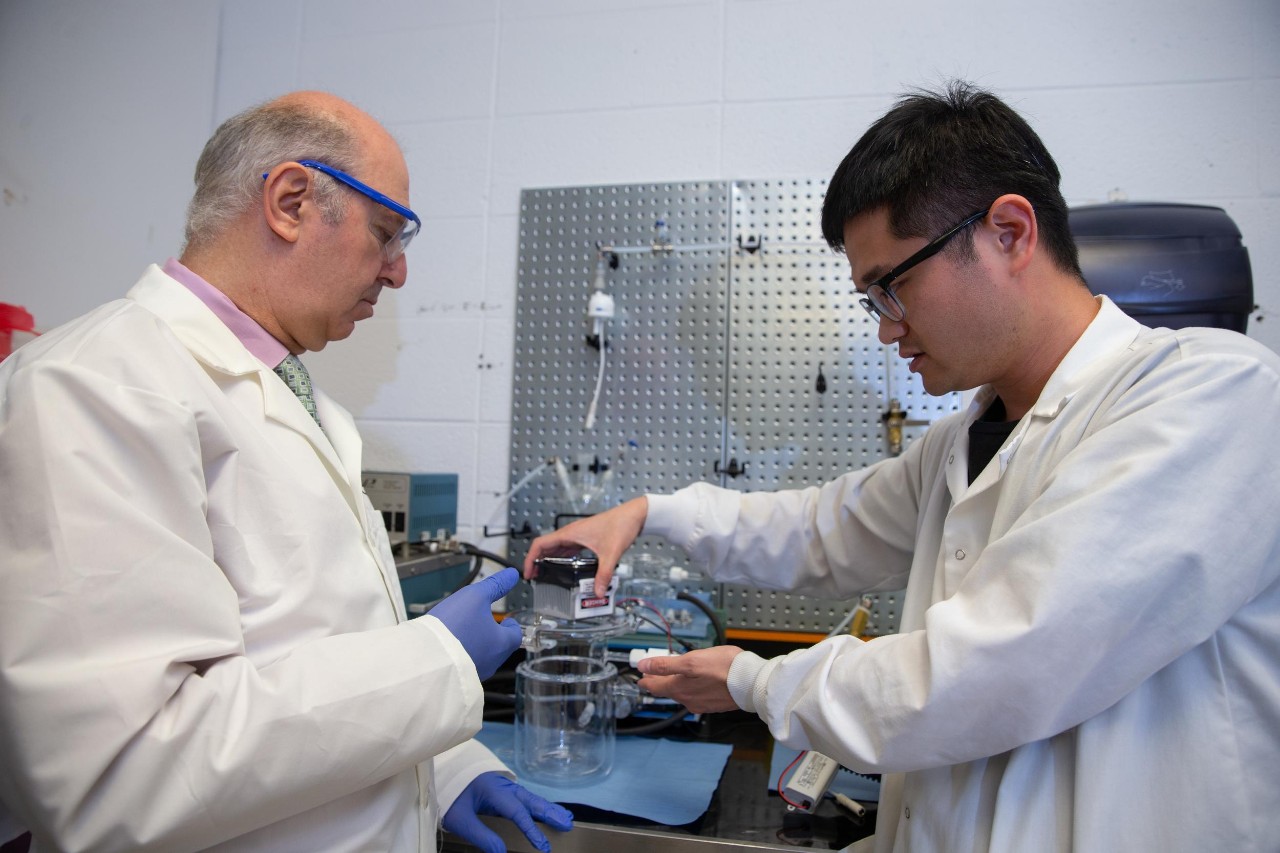
The late UC Professor Dionysios Dionysiou, left, and UC doctoral graduate Minghao Kong work on a project to detect and treat cyanotoxins in drinking water in this 2022 photo. Photo/Andrew Higley/UC Marketing + Brand
More UC environmental engineering in the news
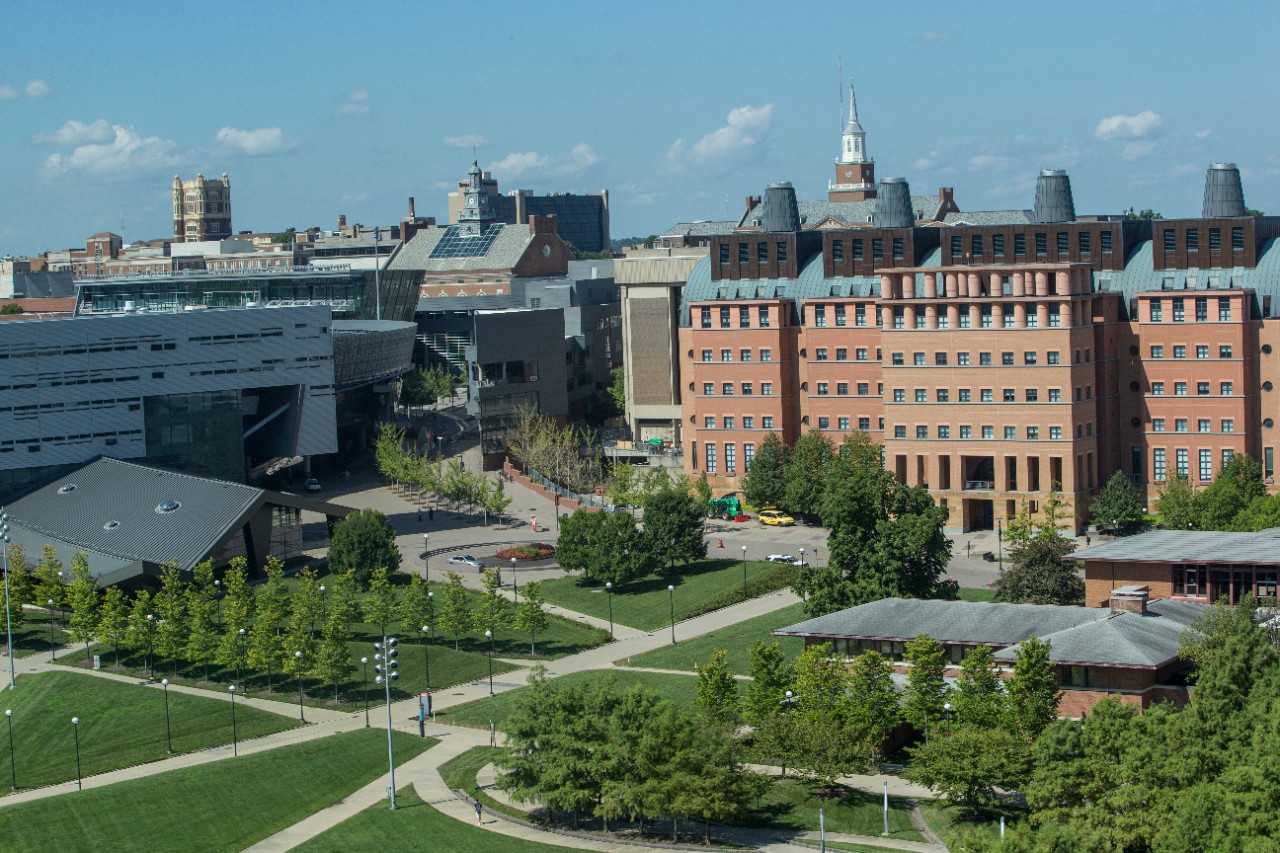
UC's Mantei Center is one of several Uptown Campus facilities dedicated to students in the College of Engineering and Applied Science. Photo/Andrew Higley/UC Marketing + Brand
Related Stories
From hobbyist photographer to professional educator
October 9, 2026

DAAP alum and photographer HATSUE studied communication design after a pivot in high school from a track toward veterinary school. Today, they teach photography at 1001 Colors white working as an artist and curator in Cincinnati.
UC researcher to launch national study with $2.5 million NIH grant
October 9, 2026

A University of Cincinnati researcher has received a $2.5 million National Institutes of Health grant to conduct research during the next five years. Natalie Kreitzer, MD, a University of Cincinnati College of Medicine physician-researcher, received an R01 independent research grant from the NIH's Eunice Kennedy Shriver National Institute of Child Health and Human Development. The funding will support a test program for caregivers of patients with traumatic brain injury, as reported by the Cincinnati Business Courier.
Simple ways to find a deeper sense of happiness and well being
October 8, 2026

UC assistant professor Suzie White, featured in an AARP story on practical ways to live a happier, healthier life, shared research-backed strategies for increasing well-being through gratitude and service to others. White teaches Happiness in Action, a course that helps students apply the science of happiness in everyday life.