How color cosmetics merge form with function
UC expert featured in Cosmetics & Toiletries article

The University of Cincinnati's Kelly Dobos was a featured expert in a Cosmetics & Toiletries article explaining trends and innovations in color cosmetics.
Dobos, a cosmetic chemist and adjunct instructor in UC's Cosmetic Science Program in the James L. Winkle College of Pharmacy, said color cosmetics have undergone significant changes to meet consumer demands over the past few years.
"Brands are creating very innovative hybrid products," she said. "Many foundation products today now incorporate skin care benefits, but there’s a lot of room for innovation in eye and lip categories.
"Biotech continues to revolutionize the way cosmetic ingredients can be produced," Dobos continued. "Color additives for cosmetics are regulated in every region around the world and those regulations can vary considerably; and a big challenge for beauty has been finding a globally acceptable true red pigment that can be used in the eye area."
Read the Cosmetics & Toiletries article.
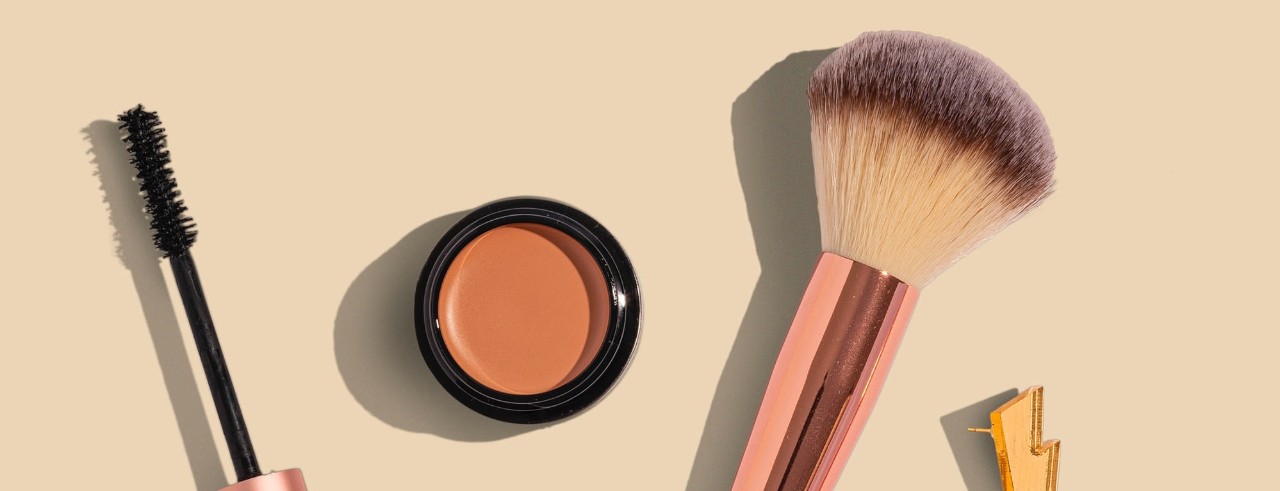
Featured photo at top of cosmetics products. Photo/Shamblen Studios/Unsplash.
Related Stories
At least two weather patterns increase headaches, UC study suggests
June 4, 2026
University of Cincinnati physicians and collaborators identified two specific weather patterns that increase headache and migraine risk and found the preventive medication fremanezumab (Ajovy) can reduce weather‑associated headaches. The findings will be presented at the American Headache Society Annual Scientific Meeting in Orlando.
Forbes highlights UC co-op as a model for corporate America
June 3, 2026

Forbes names the University of Cincinnati as a leader in co-op and work-integrated learning, highlighting UC as a model for how higher education can prove value to employers and students.
Get to know CCM’s newest faculty and staff members
June 3, 2026
UC’s College-Conservatory of Music will welcome a variety of new faculty and staff members to its roster of distinguished performing and media arts experts, researchers and educators this fall.