UC study examining overdose hot spots
Criminal justice researchers hope hard data will help save lives

The researcher team — led by UC —will study data from emergency medical calls, overdose response teams and local coroner records to pinpoint areas or hot spots to determine where in Cincinnati overdoses occur most frequently.
“We can look at where overdoses have been occurring based on where EMS goes, or where police or the quick response team has been called,” criminal justice researcher Ben Feldmeyer told WCPO. “We can look at this over time and see where the hot spots and concentrations of overdoses are.”
According to data, Cincinnati has experienced between 270 to 500 overdose deaths each year since 2020.
The study is funded by a $350,000 National Institute of Justice grant.
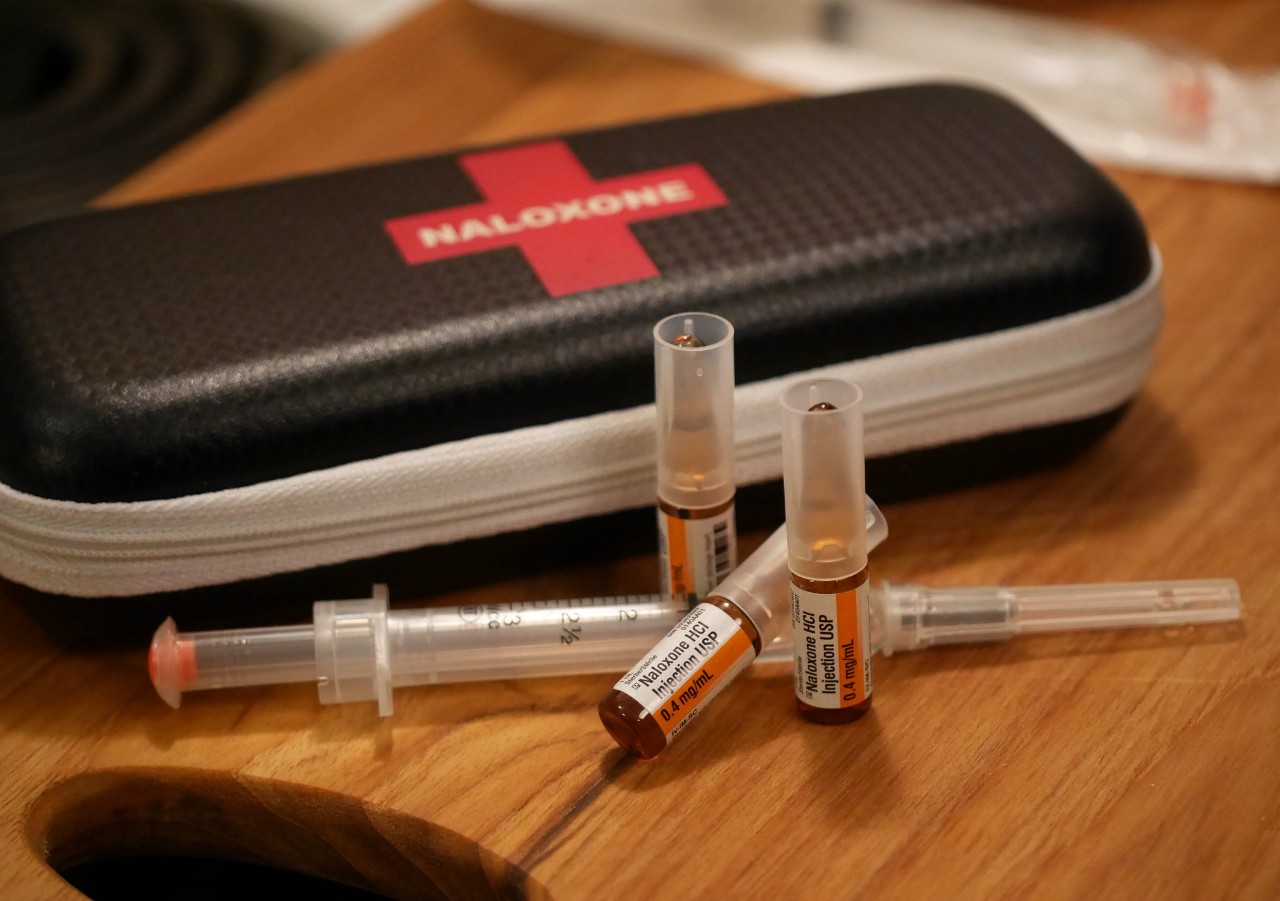
Feature photo at top provided by NIH/Jeff Andersen.
Impact Lives Here
The University of Cincinnati is leading public urban universities into a new era of innovation and impact. Our faculty, staff and students are saving lives, changing outcomes and bending the future in our city's direction Next Lives Here.
Related Stories
University of Cincinnati and Hamilton County work to lower overdose deaths
September 17, 2026

University of Cincinnati researchers and Hamilton County officials are using overdose data to identify Cincinnati hot spots and place free NaloxBoxes and fentanyl test strip dispensers where they are needed most to help prevent opioid overdose deaths.
From curiosity to career
September 17, 2026
Fall campaign story 2026 - College of Education, Criminal Justice, and Human Services.
You're probably not getting that $5,000 presidential check
September 17, 2026

Michael Jones, associate professor of economics at the University of Cincinnati's Lindner College of Business, spoke with Marketplace on why President Trump's $5,000 check proposal probably won't happen from a numbers perspective.