
Building the Bridge to Justice
SPIF At Risk: Why UC Law Must Protect Its Summer Public Interest Fellowship Now

Some stories begin quietly—an unexpected opportunity, a summer internship, a door that opens at just the right moment. For many UC Law students, that door is the Summer Public Interest Fellowship (SPIF).
This year, that lifeline is in jeopardy. With SPIF’s primary funding source ending, the program that has shaped so many lives—students and clients alike—faces an uncertain future. If the funding gap isn’t filled, the ripple effects will be felt not just in classrooms, but in courtrooms, clinics, and communities where people already struggle to be heard.
Claire Cooperrider (’21) knows what that lifeline feels like.
When Claire Cooperrider walked into the Hamilton County Court of Domestic Relations as a first-year law student, she didn’t know that her summer internship would one day come full circle. At the time, she was just grateful for the opportunity to work with clients, learn the ropes of family law, and—thanks to the Summer Public Interest Fellowship (SPIF)—afford her rent.
A few years later, she’s back in the same building, this time as a staff attorney running the very clinic where she once interned.
“It felt like fate,” she says. “SPIF gave me my first hands-on experience in family law, and now I get to lead the clinic that started it all.”
For Cooperrider and many others, SPIF is more than a summer job. It’s a lifeline—both for students eager to explore public interest law and for the communities that depend on accessible legal help.
As Heather Crabbe, Assistant Dean for the Center for Professional Development, puts it: “For many students, this is their first experience in a legal setting… the importance of that can’t be overstated.”
A program that opens doors
Founded to give law students the financial support to pursue otherwise unpaid summer public interest positions, SPIF has become one of the law school’s most impactful programs. Each year, it funds dozens of fellowships across the region, placing students in legal aid organizations, nonprofits, courts, government offices, and advocacy groups.
“Some law schools don’t have SPIF at all, or they may only be able to support two or three placements a year,” Crabbe explains. “We typically fund around 50 students. We are really, really lucky.”
The model is simple but transformative: students receive a stipend of no less than $4,000 which allows them to work in the public sector, where organizations often lack the funding to hire summer help. This support ensures that students can pursue purpose-driven work without sacrificing their financial security.
“The fellowship gave me the freedom to follow my heart and pay my bills at the same time,” Cooperrider says with a laugh. “But it also gave me something deeper—a sense of purpose and a network of people who believed in this kind of work.”
Crabbe sees this every year. “Our employer partners are phenomenal mentors. They’re building up the next generation of lawyers.”
It felt like fate; SPIF gave me my first hands-on experience in family law.
Claire Cooperrider
From first grade to family law

Before law school, Cooperrider spent three years teaching first grade in New Orleans.
“I loved working with kids and families,” she recalls, “but I hit a crossroads. I didn’t want to go into school administration, and I wanted to make a broader impact.”
Law school offered that next step. She thought she might go into education law—but it was her SPIF placement at the Family Law Clinic that changed everything.
The clinic, operated by the Hamilton County Court of Domestic Relations, offers free walk-in legal assistance to low-income individuals representing themselves in divorce, custody, and support cases. Each year, the clinic serves more than 1,100 people, all under the supervision of volunteer attorneys, staff, and SPIF-funded law students.
“The students are the heartbeat of the clinic,” Cooperrider explains. “We see more than a hundred clients each month. Without SPIF students, we simply couldn’t meet the demand.”
Crabbe agrees. “These organizations do a lot of good… their work ensures our justice system functions as intended, guaranteeing that due process is more than just a promise.”
Each summer, Cooperrider now hires two to four SPIF interns to assist with client intake, document preparation, court observation, and legal research.
“They get a crash course in real-world lawyering,” she says. “They help someone navigate one of the most stressful moments of their life. You can see their confidence and empathy grow week by week.”
Global roots, local impact
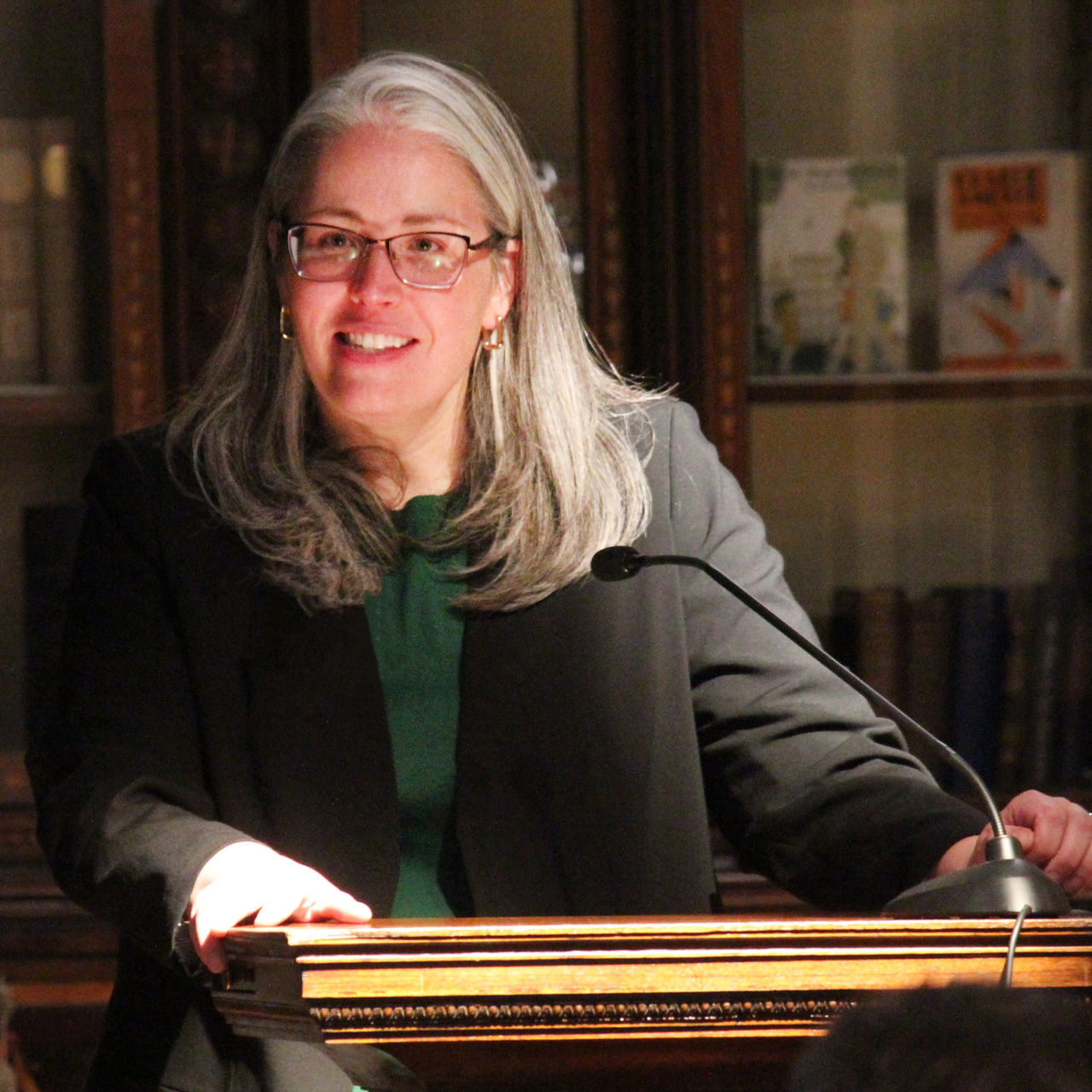
For Molly Russell (’11), SPIF took her in a very different—but also transformative—direction.
As an Urban Morgan Human Rights Fellow, Russell spent her SPIF summer thousands of miles away in Bolivia, working with a human rights organization serving women and children who had survived abuse.
She conducted client interviews, translated documents, and helped the organization analyze data to tell its story to international funders.
“SPIF gave me the freedom to take that opportunity,” she says. “I didn’t have to worry about expenses. I could focus on the work—and on learning what access to justice really means, no matter where you are.”
That experience shaped her path when she returned to Cincinnati. “I saw how the same barriers exist here—families without resources, people navigating systems they don’t understand. The work may look different, but the goal is the same: justice.”
Russell’s SPIF experience led directly to an externship with the Legal Aid Society of Greater Cincinnati, then to a full-time internship, and ultimately, to her career there. Today, she serves as the managing attorney for the Volunteer Lawyers Project (VLP), coordinating pro bono civil legal services for low-income clients. She also leads Legal Aid’s Kinship Care Team, which helps relatives—often grandparents—gain custody of children in their care and access benefits and resources to support them.
“It’s incredibly meaningful work,” she says. “Many of these caregivers never expected to raise another generation of children, but they’re doing it with love and resilience. Our job is to make sure the legal system supports them.”
Additionally, the team at the Volunteer Lawyers Project work hand in hand with the Court’s Family Law Clinic. “ The clinic is not only an incredible resource for the public, it is also a fabulous training ground for new lawyers. Many of the volunteers who participate in the clinic go on to also provide full representation pro bono services to VLP clients seeking divorce,” said Russell. “The investment in SPIF for students to intern in the clinic pays dividends for the entire community because many of them return to the clinic and the VLP as volunteers after they are licensed to practice law.
SPIF gave me the freedom… to focus on the work—and on learning what access to justice really means, no matter where you are.
Molly Russell

Turning lessons into leadership
Both alumnae credit SPIF not just with sparking their public interest careers, but with shaping their professional values.
“SPIF was one of the main reasons I chose UC Law,” Russell says. “It showed that the school didn’t just talk about service—it invested in it. As a first-generation lawyer, I didn’t have a roadmap for how to pay for law school or build a career in public service. SPIF gave me the freedom to choose purpose over paycheck.”
For Cooperrider, that sense of dignity in the work remains central. “Public interest law can be emotionally demanding,” she says. “SPIF prepared me for that—it taught me reflection, balance, and humor. The work isn’t always glamorous, but it’s deeply human.”
Both now mentor SPIF students each summer, guiding a new generation of lawyers as they navigate client work for the first time.
“SPIF students come in eager, curious, and compassionate,” Cooperrider says. “They want to make a difference, and that enthusiasm is contagious.”
Russell agrees: “The SPIF students we host are among the best and brightest. They bring a strong commitment to service. And they remind all of us—attorneys, judges, staff—why this work matters.”
Crabbe sees these patterns every year as well. “Our SPIF participants are mostly 1Ls and this is a critical stage in their professional development, one that’s truly formative.”
The Summer Public Interest Fellowship Program is a cornerstone of our mission.
Dean Haider Ala Hamoudi
The ripple effect: a stronger profession
The benefits of SPIF extend far beyond the individual student or organization. By supporting public interest placements, the program strengthens the legal profession as a whole.
“Nearly half of our court’s litigants are self-represented,” Cooperrider notes. “When they have access to resources like our clinic, it improves the entire process—for clients, for opposing counsel, and for the court.”
Russell sees the same dynamic at Legal Aid. “SPIF is a mutual investment,” she says. “Students gain real-world experience, and organizations gain talented help we couldn’t otherwise afford. It strengthens our entire legal ecosystem.”
Crabbe underscores this: “When we talk about access to justice, programs like this help bridge the justice gap and expand access to essential legal services.”
For many students, the summer becomes the first step toward a lifelong career in service.
“SPIF builds a pipeline,” Russell says. “These students go on to become public defenders, nonprofit attorneys, policy advocates. They take what they learn and spread it across the profession.”

A call to support: investing in the future of justice
“The Summer Public Interest Fellowship Program is a cornerstone of our mission,” says Dean Haider Ala Hamoudi. “It provides students with essential experiential opportunities during the summer and empowers those committed to public interest careers to pursue that path after graduation. For a law school that prides itself on graduating practice-ready lawyers—and is ranked fourth in the nation for public interest—these opportunities are not luxuries; they are fundamental. Losing SPIF, or even scaling it back, would close doors for our students and diminish our impact on the communities we serve. We cannot allow that to happen. The time to strengthen and sustain SPIF is now.”
Behind every SPIF placement is a network of alumni and donors who make the program possible. Their contributions fund student stipends and, in turn, expand access to justice in the community.
“SPIF allowed us to help over 1,100 people last year,” Cooperrider says. “We literally couldn’t do it without the students. Their work changes lives every single week.”
Russell echoes that message: “When you support SPIF, you’re not just funding one summer or one student—you’re investing in the future of our profession."
That's helping create a justice system that is more fair and compassionate, adds Russell.
Russell offers one final thought, reflecting on her 14 years in public service: “The beauty of SPIF is that it doesn’t just open doors. It opens minds—to what justice really means, and to the many ways we can serve.”
About the Summer Public Interest Fellowship
The Summer Public Interest Fellowship (SPIF) program enables UC Law students to work in nonprofit and public sector organizations serving many communities. SPIF stipends ensure that financial barriers don’t prevent a student from pursuing public service. Since its inception, the program has funded hundreds of fellowships, transforming both the lives of students and the communities they serve.
Be Part of the Solution
SPIF funding is running out—and you can make the difference.
Each summer, SPIF supports around 50 law students in public interest roles that strengthen access to justice across our region. Without this support, many organizations could not serve the thousands of clients who rely on them.
With the loss of a key funding source that provided the majority of financial support for SPIF, we urgently need more donors to sustain this vital program. Your gift directly funds a student stipend—keeping doors open for clients, courts, and communities.
“We need to give everyone who believes in this program a chance to be part of the solution – a chance to ensure that the legacy of SPIF continues long after a single summer’s work is done and long after today’s students become tomorrow’s advocates” —Heather Crabbe, Assistant Dean for the Center for Professional Development
➡ Support the Summer Public Interest Fellowship today. Invest in the next generation of public interest leaders.
Tags
Related Stories
Taking justice international
May 11, 2026
UC Klekamp College of Law’s LLM Program collaborates with the Ohio Innocence Project to impact global policy.
Innocence Network Midwest Regional Summit to unite advocates in Cincinnati
October 13, 2025
Cincinnati Law will host the Innocence Network Midwest Regional Summit to discuss updates in the field.
UC Law’s Center for Advocacy empowers students to master real-world legal skills
January 22, 2026
The University of Cincinnati College of Law's new Center for Advocacy helps train students in legal skills that will prepare them for real world lawyering.