
UC researchers recognized with AAN Resident & Fellow Writing Award
Winning case report discusses diagnoses, reassessment and genetic analysis

A case report led by University of Cincinnati researchers has been recognized as the 2026 American Academy of Neurology (AAN) Resident & Fellow Section Writing Award Winner.
The article, originally published Feb. 27, 2025, in the journal Neurology, highlighted how the team worked to identify the correct diagnosis of an early-onset genetic form of parkinsonism for a 24-year-old patient whose symptoms initially suggested dopa-responsive dystonia.
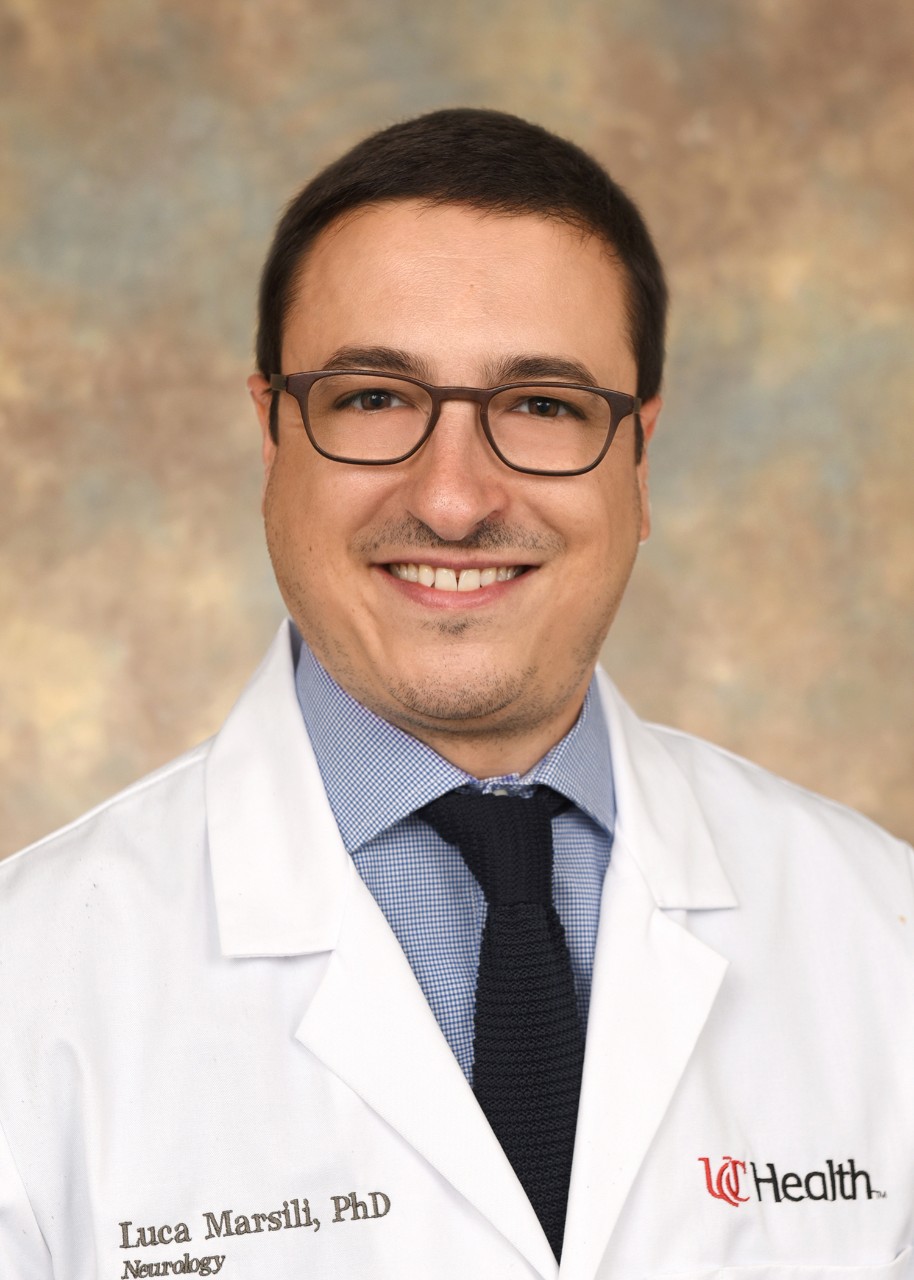
Luca Marsili, MD. Photo/University of Cincinnati.
“The article walks through the clinical reasoning and diagnostic process over time, including longitudinal follow-up, systematic reassessment and genetic testing reanalysis,” said Luca Marsili, MD, corresponding author of the article and assistant professor in the Gardner Family Center for Parkinson's Disease and Movement Disorders within UC’s Department of Neurology and Rehabilitation Medicine. “The key message is that in neurology, diagnosis is often not static but evolves over time, requiring continuous re-evaluation.”
Marsili said the case also highlights that clinicians should continue to investigate and analyze all available data to reach a diagnosis when observable markers of the disease suggest it has a genetic origin, even if initial genetic testing comes back negative.
“This publication represents a sustained, collaborative effort to understand a challenging case over time,” said first author Nathaly Chinchihualpa, MD, a research fellow in the Department of Neurology and Rehabilitation Medicine in UC’s College of Medicine. “More broadly, it underscores that careful observation, diagnostic persistence and critical re-evaluation remain central to neurological practice.”
The team published a follow-up report in the journal Movement Disorders Clinical Practice in February 2026 that detailed the emergence of functional neurological symptoms in the context of advanced therapies, providing more clinical insights on the evolving nature of these conditions.
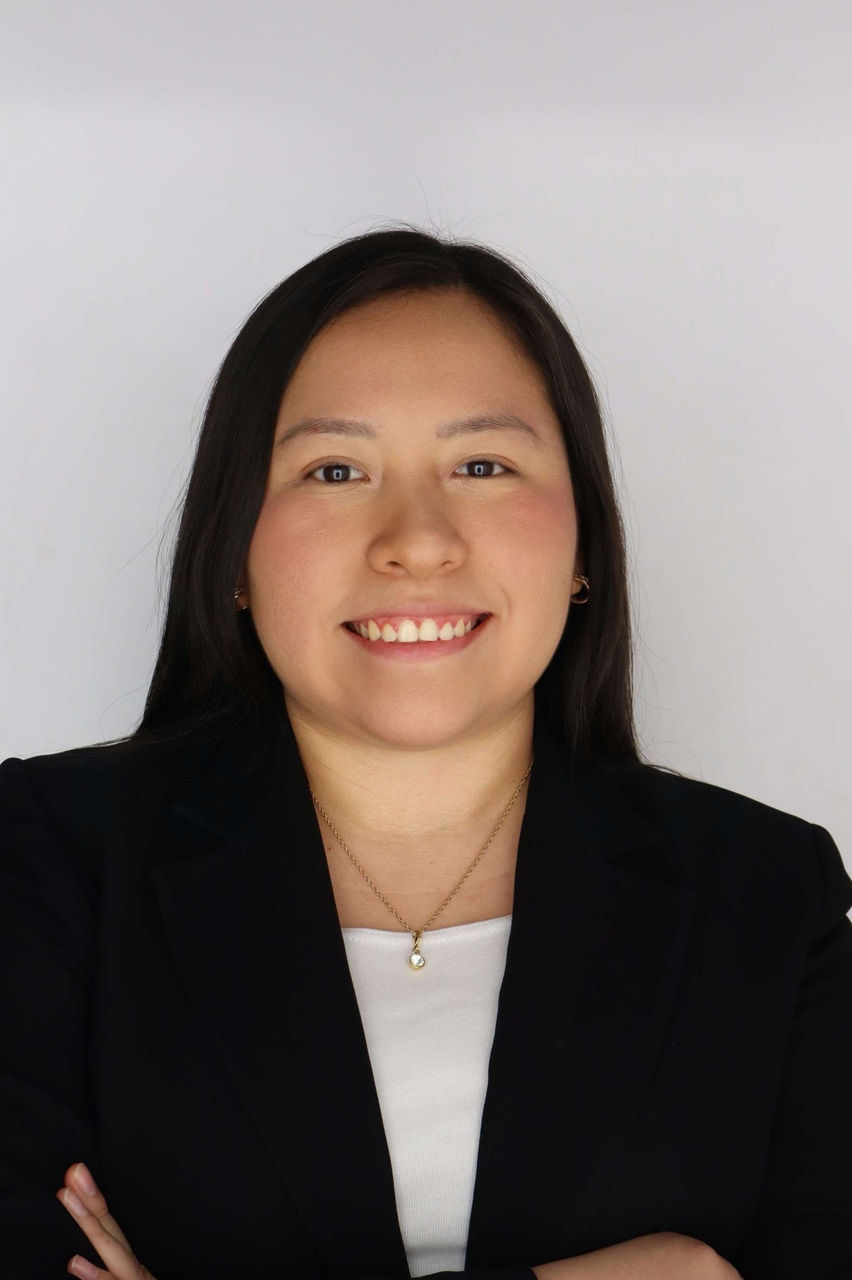
Nathaly Chinchihualpa, MD. Photo provided.
“Altogether, this experience highlights the importance of clinical intuition, longitudinal follow-up and comprehensive evaluation,” Chinchihualpa said. “The case reflects the diagnostic journey that many patients with rare neurological diseases undergo and underscores the importance of integrating clinical reasoning with evolving diagnostic tools.”
Marsili said the recognition from AAN speaks to the continued growth of the Movement Disorders Division, including recently being named an Ataxia Center of Excellence from the National Ataxia Foundation. Over a decade of research and international collaboration, UC now has an established program where researchers are regularly sought out to test patient DNA for various genetic disorders.
“In the last year, we were able to create a dedicated adult patients neurogenetics clinic at UC where we see those patients and get them diagnosed through genetic testing, offering them the best treatment possible for their specific condition,” Marsili said.
“This recognition from AAN is very meaningful, and I am grateful to be part of this team under the leadership of Dr. Marsili,” Chinchihualpa added. “I am very grateful to the entire team for creating an environment where trainees can contribute meaningfully to complex clinical and research questions.”
Chinchihualpa came to UC in 2022 with an interest in the relationship between genetics and movement disorders. She said one of the most defining aspects of her experience has been following patients over time and observing how diagnostic processes evolve under the mentorship of Marsili and Alberto Espay, MD.
“This fellowship has strengthened my foundation in clinical reasoning and encouraged a more critical and open-minded approach to neurology,” Chinchihualpa said. “It has reinforced the importance of questioning assumptions, both in diagnosis and in our broader understanding of neurological disease, as new clinical and scientific insights emerge.”
On top of managing research visits for genetic patients and other work in the genetics clinic, Chinchihualpa is now focusing her training on different neurogenetic disorders, including ataxia.
“Nathaly will shine as a fellow and future neurologist in the field of genetics of movement disorders,” Marsili said.
Begin your Bearcats journey
Whether you’re a first-generation student or from a family of Bearcats, UC is proud to support you at every step along your journey. We want to make sure you succeed — and feel right at home.
The team expresses thanks to Espay and Andrew Duker, MD, Movement Disorders Division codirectors; research team members, including genetic counselor Kathleen Collins-Ruff and social workers Becca Gneuhs and Kaitlin Dejarnette; and patients involved in the research.
Featured photo at top of 3-D illustration of a dopamine molecule. Photo/Dr_Microbe/iStock.
Related Stories
UC researcher to launch national study with $2.5 million NIH grant
October 9, 2026

A University of Cincinnati researcher has received a $2.5 million National Institutes of Health grant to conduct research during the next five years. Natalie Kreitzer, MD, a University of Cincinnati College of Medicine physician-researcher, received an R01 independent research grant from the NIH's Eunice Kennedy Shriver National Institute of Child Health and Human Development. The funding will support a test program for caregivers of patients with traumatic brain injury, as reported by the Cincinnati Business Courier.
Improving treatment for deadly brain tumors
May 5, 2023
The University of Cincinnati's Soma Sengupta was a co-first author on research published in Cell Reports Medicine New that found that a cancer stem cell test can accurately decide more effective treatments and lead to increased survival for patients with glioblastoma, a deadly brain tumor.
Learning more about how cancer affects stroke risk
October 16, 2023
A collaborative team led by University of Cincinnati, University of North Carolina and Duke University researchers is studying how specific cancers and treatments affect patients' risk of stroke.