Measuring emissions from vintage street lamps
UC professor talks to podcast about methane research

A University of Cincinnati environmental studies professor talked to the podcast Resources Radio about her research examining the environmental impact of gas streetlights in Cincinnati and Boston.
UC College of Arts and Sciences Professor Amy Townsend-Small teaches in UC's School of Environment and Sustainability.
In two published studies examining gaslight emissions in Boston, Massachusetts, and Cincinnati, Townsend-Small examined the environmental impacts from natural gas lights. She and her students found that each lamp releases many times the amount of methane and carbon monoxide of other appliances such as gas stoves and water heaters.

UC Professor Amy Townsend-Small poses with former U.S. Sec. of State Antony Blinken. Townsend-Small in 2025 was named UNESCO Chair in Water and Climate Change. Photo/Provided
Lights powered by natural gas were common in cities across the United States. But many towns electrified these lights to save money.
“One famous example is natural gas was used to illuminate Ford's Theater where President Lincoln was shot in 1865. And they still have gaslights outside that theater, but it's been electrified inside,“ Townsend-Small told Resources Radio.
Today they light many historic districts across the country, including several neighborhoods in Cincinnati.
Townsend-Small worked with UC history Professor David Stradling on the project.
Until 1930, Cincinnati employed lamplighters who would light and extinguish the street lamps every day, he found. Today, the lights in Cincinnati burn natural gas 24 hours a day.
She estimated that Boston would save hundreds of thousands of dollars by electrifying its natural gas lights.
“Switching to electric streetlights will help save a lot of money and make the city safer,“ she said.
Townsend-Small told Resources Radio host Daniel Raimi that some people she spoke to preferred their charming historic gas lamps to harsh overhead street lights. Others noted the gaslights don't provide enough illumination.
And in some neighborhoods such as Clifton near UC's campus, neighbors lobbied the city to keep their gas streetlights when the city was considering converting them to electricity.
“Would they keep fighting for them if they knew about natural gas production and the climate implications of these lights — how natural gas production is affecting people who live in production areas?“ she asked. “I think the project opens up new avenues for research in preferences for fossil fuels.“
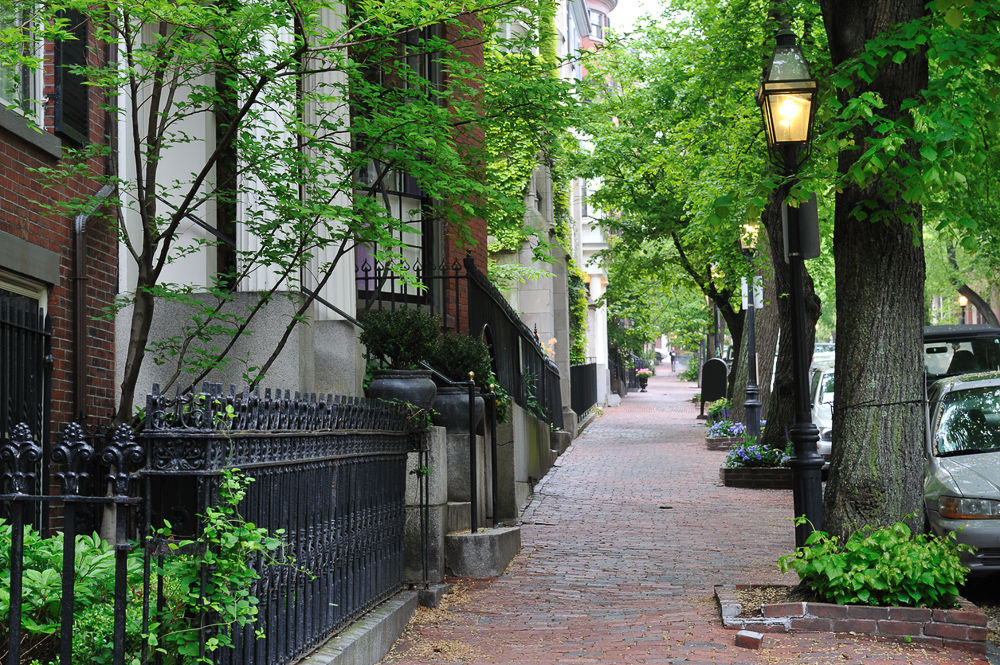
Featured image at top: UC Professor Amy Townsend-Small talked to the Resources Radio podcast about her examination of methane emissions from gas streetlights. Photo/iStockPhoto

The gaslight district in Clifton features street lamps fueled with natural gas. UC Professor Amy Townsend-Small talked to Resources Radio about her examination of emissions from gaslights that found they spill more methane into the atmosphere than other appliances like stoves or water heaters. Photo/Michael Miller
Related Stories
Can regenerative farming help reduce greenhouse gas emissions?
September 27, 2024

UC Adjunct Professor Teri Jacobs tells WVXU that farming practices such as no-till planting, cover crops and rotating crops help protect soil and prevent carbon from being released into the atmosphere.
Regional media: UC expert talks about abandoned wells
September 15, 2022
UC College of Arts and Sciences associate professor Amy Townsend-Small talks to the WFMP program Sustainability Now! and WOSU's the Ohio Statehouse about Kentucky's leaking oil and gas wells and a new federal initiative to cap them.
The health impact of living near a natural gas leak
June 25, 2024

UC College of Arts and Sciences Professor Amy Townsend-Small talks to the BBC about the health issues faced by neighbors of leaking natural gas wells.