NatGeo highlights UC's archaeology discoveries about ancient Pompeii
UC professor led excavations of the Porta Stabia neighborhood

National Geographic highlighted work by an archaeologist at the University of Cincinnati that is revealing life in Pompeii before the city was entombed in ash from the eruption of Mount Vesuvius 2,000 years ago.
UC College of Arts and Sciences Professor Steven Ellis directed archaeological excavations in the Porta Stabia neighborhood in Pompeii.
The first volume of his book “The Porta Stabia Neighborhood at Pompeii” published in 2023 chronicles the findings of his international research team's work that is shedding light on the economy, culture and daily life in Pompeii.
“Pompeii as an archaeological site is the longest continually excavated site in the world,” Ellis told National Geographic in a story republished this month. “Because of this, what we find in Pompeii is that every step in the development in the science of archaeology was tested out in Pompeii — with mixed results,” he said.
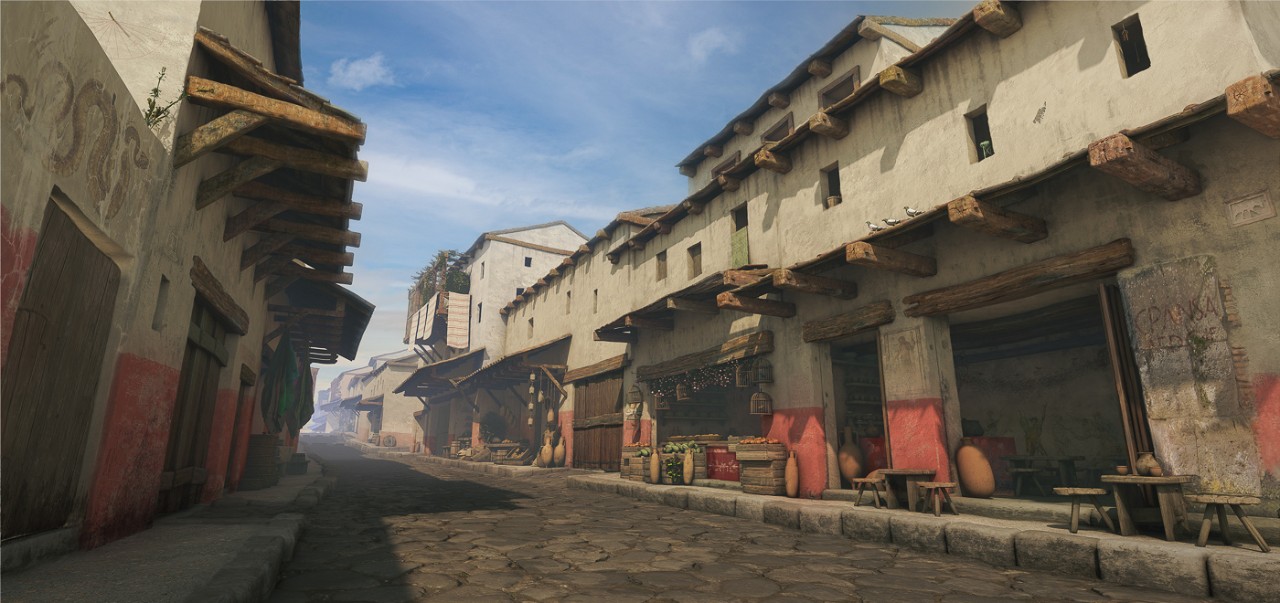
The neighborhood Ellis uncovered was a retail district consisting of nearly a dozen properties across two multilevel structures just inside one of Pompeii’s seven main entrance gates. The buildings contained retail shops and entertainment spaces where generations before stood the workshops of skilled trades workers.
Ellis and his research partners discovered evidence of an exotic animal trade that connected Europe and North Africa. Their examination found that restaurants in the city served local grains, fruit, nuts and beans along with imported shellfish, sea urchin and exotic spices such as sesame seeds and peppercorns.
They also found the butchered leg of a giraffe, which were native to North Africa in what is now Morocco and Libya before they disappeared there 1,400 years ago.
Featured image at top: An Illustration depicts the Porta Stabia neighborhood before the volcanic cataclysm in 79 A.D. Illustration/Gareth Blayney for UC Classics

UC Classics Professor Steven Ellis holds a copy of his 2023 book "The Porta Stabia Neighborhood at Pompeii" examining ancient life in one neighborhood of the ancient city. Photo/Andrew Higley
Related Stories
UC has connection to city of legend behind 'Odyssey'
July 17, 2026

WVXU highlights a big connection between Cincinnati and director Christopher Nolan's new movie "The Odyssey." UC Classics Professor Carl Blegen led excavations at Troy in the 1930s. UC has a vast collection of photos and other records from the ambitious archaeological project.
UC students uncover ancient city
August 10, 2022
The Cincinnati Enquirer highlights research by UC associate professor Steven Ellis and his students who are discovering new insights about ancient civilizations in Italy.
Pylos: From princes to a palace in Messenia
January 13, 2026
World Archaeology Magazine highlights discoveries from ancient Greece such as the Griffin Warrior by UC Classics Professor Jack Davis and Senior Research Associate Sharon Stocker. Many of the artifacts from their discoveries went on display last year in North America for the first time with an exhibit at the Getty Museum.