
Nurse practitioners are shaping the future of health care
UC is preparing them to lead

From diagnosing illnesses and managing chronic conditions to advancing health policy and improving access to care, nurse practitioners play an increasingly important role in the nation's health care system.
This week, Nov. 8–14, we celebrate National Nurse Practitioner Week and the more than 461,000 licensed nurse practitioners in the United States who provide high-quality, patient-centered care to millions of Americans, including the University of Cincinnati nurses who are stepping into the role right now.
The profession's impact is substantial. Nurse practitioners conduct nearly 1 billion patient visits each year, and more than 43% of traditional Medicare patients received services from an NP in 2023. The U.S. Bureau of Labor Statistics projects employment for nurse anesthetists, nurse midwives and nurse practitioners will grow 36% between 2025 and 2035, reflecting the increasing demand for advanced practice providers.
Nurse practitioners work across primary, acute and specialty care, serving patients throughout their lives. They assess patients, diagnose and treat illnesses, prescribe medications, manage chronic conditions and provide preventive care. Their work also extends beyond the clinical setting, with opportunities to influence health care policy, lead teams, educate future nurses and improve the systems that shape patient care.
UC nurse practitioners in action
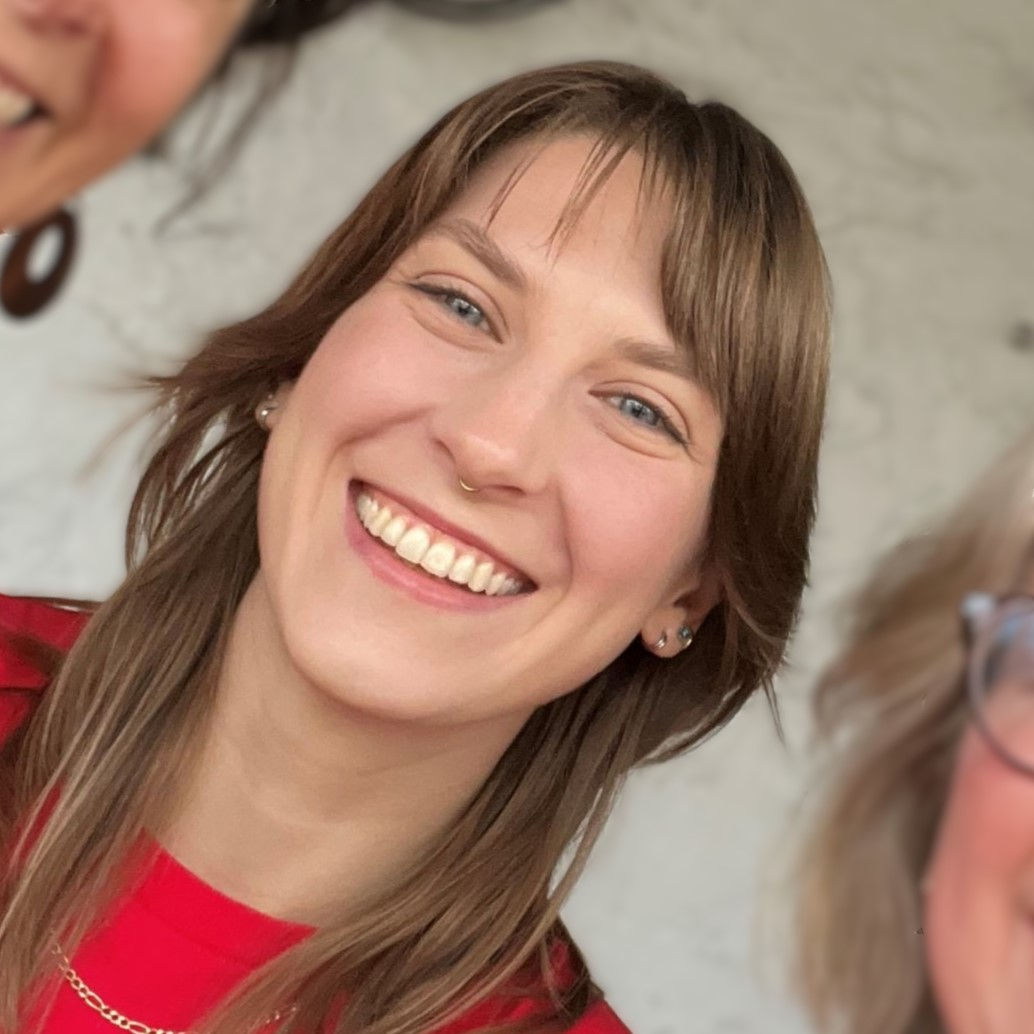
Preparing to lead in mental health: Nicole Holtz, a 2020 UC BSN alumna and current Psychiatric-Mental Health Doctor of Nursing Practice student, was named a Jonas Scholar — one of 80 nationally in the 2026–2028 cohort. She continues to care for adolescents in inpatient psychiatry at Cincinnati Children's and plans to teach the next generation of psychiatric nurses. Read more.
Bringing women's health care to rural Oklahoma: Brandy Ponder, a 2019 graduate of UC's Women's Health Nurse Practitioner program, cares for patients with high-risk pregnancies, diabetes and hypertension at the Cherokee Nation's outpatient health center in Tahlequah, about 90 minutes from her home. She also mentors students, including Leonda Reese, who enrolled at UC in 2024 while working full time and raising three children. Reese has since graduated and joined NEO Health, which serves a rural four-county area in northeastern Oklahoma. Read their story.
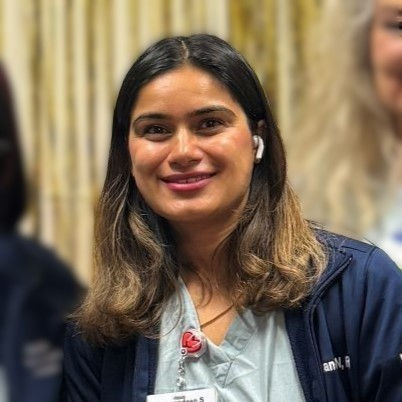
Making the move to primary care: Harman Sivia, an online MSN Family Nurse Practitioner student, brings experience in emergency and critical care and cardiac catheterization. She received a $10,000 CVS Health Caring Hearts FNP Student Scholarship and plans to focus on prevention, early intervention and helping patients overcome barriers such as cost and gaps in follow-up care. Read more.
Preparing nurses for what's next
As the profession continues to evolve, advanced education creates opportunities for nurses to expand their clinical expertise and pursue new areas of impact.
At the University of Cincinnati College of Nursing, graduate programs prepare nurses for advanced practice, leadership and specialized roles across health care. The Master of Science in Nursing (MSN) provides a pathway to advanced clinical practice, including nurse practitioner roles, while the Doctor of Nursing Practice (DNP) builds on that foundation with additional preparation in evidence-based practice, quality improvement, health policy and systems leadership.
The right degree depends on professional goals. Nurses interested in entering advanced practice may find the MSN a strong fit, while those looking to lead organizational change, influence policy or advance clinical practice at the systems level may consider the DNP. Both offer opportunities to make a difference in patient care and the future of health care.
UC offers a range of DNP specialties, including Family Nurse Practitioner, Adult-Gerontology Primary Care Nurse Practitioner, Adult-Gerontology Acute Care Nurse Practitioner, Pediatric Acute Care Nurse Practitioner and Psychiatric-Mental Health Nurse Practitioner. Additional pathways include nurse anesthesia, occupational health nursing, public health nursing and systems leadership. Women's Health Nurse Practitioner is available at the master's level.
For nurses considering their next step, choosing a specialty is an important part of the process. The quiz below can help prospective students explore areas of practice that align with their interests, strengths and career goals.
Expanding impact beyond the exam room
Advanced practice nursing is about more than adding credentials. DNP education, in particular, prepares nurses to translate evidence into practice, identify opportunities to improve patient outcomes, lead quality improvement initiatives and help shape health care delivery.

Learn how a post-master’s DNP can help experienced nurses move beyond individual patient care to lead meaningful change across healthcare systems.
That broader perspective shows up in UC's students and alumni, who are providing care in rural communities, preparing to teach future nurses and earning national recognition for their leadership. Whether caring for patients directly or addressing challenges across health care systems, nurse practitioners bring a valuable combination of clinical knowledge, nursing experience and a commitment to patient-centered care.
This National Nurse Practitioner Week, we recognize the expertise, compassion and leadership of nurse practitioners across specialties and settings. We also celebrate the nurses pursuing advanced education and the next generation of NPs who will help meet the changing needs of patients and communities.
Interested in becoming a nurse practitioner or advancing your career?
Explore UC College of Nursing's graduate nursing programs, read MSN or DNP: Choosing the right advanced nursing degree for you, or take the Graduate Nursing Specialty Quiz to discover which specialty might be right for you.
Frequently Asked Questions
What is a nurse practitioner?
A nurse practitioner is an advanced practice registered nurse who provides primary, acute or specialty health care. NPs assess patients, diagnose illnesses, prescribe medications, order tests and develop treatment plans.
How many nurse practitioners are in the United States?
According to the American Association of Nurse Practitioners, there are more than 461,000 licensed nurse practitioners in the United States, based on 2025 workforce data.
Is a nurse practitioner a doctor?
A nurse practitioner is an advanced practice registered nurse, not a physician. NPs complete graduate-level nursing education and national certification in their specialty. A DNP-prepared nurse holds a doctoral degree in nursing practice, while a physician holds a medical degree such as an MD or DO.
What degree do you need to become a nurse practitioner?
Nurse practitioners must complete graduate-level education in an advanced practice nursing specialty, typically through an MSN or DNP pathway, and meet state licensure and national certification requirements.
Is an MSN or DNP better for becoming a nurse practitioner?
Both degrees can prepare nurses for advanced practice. An MSN is a common pathway into a nurse practitioner role. A DNP provides additional doctoral-level preparation in evidence-based practice, quality improvement, health policy and systems leadership. The best option depends on educational background and career goals.
What nurse practitioner specialties can I pursue at UC?
UC College of Nursing offers specialties including Family Nurse Practitioner, Adult-Gerontology Primary Care, Adult-Gerontology Acute Care, Pediatric Acute Care and Psychiatric-Mental Health. Additional graduate options include Women's Health Nurse Practitioner, Nurse Midwifery, Nursing Education, Nurse Anesthesia, Occupational Health Nursing, Public Health Nursing and Systems Leadership.
How long does it take to become a nurse practitioner?
The timeline depends on previous education and the degree pathway. At UC, full-time MSN programs typically take two years. BSN-to-DNP programs generally take three years of full-time study, while post-master's DNP students can complete their program in four semesters of full-time study.
Related Stories
Nurses are in high demand
March 3, 2026

WCPO recently spoke with faculty and students at UC College of Nursing about the education pipeline needed to train more nurses to meet a growing demand for healthcare nationally.
Health care industry is hiring despite a job market that has cooled
April 16, 2026
The US labor market has cooled but the demand for health care workers, expecially skilled nurses, remains strong. Interviews with UC College of Nursing admininstrators Dr. Donna Green and Dr. Lindsay Davis were part of a WCPO segment on health care industry hiring.
UC students aim to expand methadone access to treat opioid use disorder
February 16, 2026

Spectrum News speaks with UC students Yara Chaouali and Selma Younes and UC Nursing Professor Rachel Baker about a proposal to expand methodone access to treat opioid use disorder.