Make room
for Gen Z
As UC’s next generation comes on scene, they’re packing ‘hacktivism,’ an entrepreneurial spirit and a love for a diverse world

Just about the time academic types had gained a grasp on what makes millennials tick, here come their younger siblings, teenage cousins and fresh-faced neighbors as Generation Z strides onto campus for the first time this year.
This semester’s 18-year-old college freshmen are thought to represent the first wave of a brand new demographic — one that sociologists, marketers and especially universities want and need to understand. Before discussing the likes, dislikes and attributes of the Zs, however, let’s first establish some general guideposts for bracketing the rest of our post World War II generations.
Most define the baby boomer age as lasting from 1946 to 1964, giving us today’s 52 to 70-year-olds. By the mid-1960s to the end of the ’70s, hospital nurseries filled with today’s Gen Xers, who have now reached age 37 to 51. Gen X, of course, preceded Gen Y (the millennials), who came on scene from about 1980 to roughly 1997, so they are turning 19 to 36 this year. Lastly, Gen Z was born in the 1998 to 2004 range, placing them at age 12 to 18. In case you are curious (and, incidentally, research shows most modern generations are), the group behind Gen Z represents Generation Alpha.

When it comes to understanding these end-of-the-alphabet types, the University of Cincinnati has been working closely with marketing partner LPK, a global brand design agency based in Cincinnati (and formerly headed by CEO Jerry Kathman, DAAP ’76), to develop a “culture scan” for those entering and marching toward adulthood
As to how Gen Z will influence education, economics and society in general, trend forecasters see them as “increasingly diverse, globally aware and socially connected,” says Autumn Utley, Bus ’13, who led LPK’s research for her alma mater.
Utley, who serves as a trends and insights design director for LPK, says today’s pre-teens and teens are “independent, passionate and take an active role in their futures.”
- 73% believe in the importance of a linguistically and racially diverse America
- 83% believe they should start saving for their future now
76%
want to convert their hobbies into full-time jobs.
72%
say colleges should allow them to design their degree programs
73%
believe in the importance of a linguistically and racially diverse America
70%
watch more than two hours of YouTube each day
‘Hacktivism’ is crucial
Further findings show that Gen Z values disruption with purpose or “hacking the system” for the sake of positive change. They are incredibly entrepreneurial and eager to solve problems, both personal and societal. In other words if what they want doesn’t exist, they’ll make it themselves. And there’s always room for improvement.
Those attitudes carry over to the classroom and workplace, too. LPK says this group craves individualized solutions and environments where “everyone deserves the opportunity, but not all opportunities are created equal.” Ultimately, they generally see a world where “race, religion and gender don’t matter.”

Digital natives
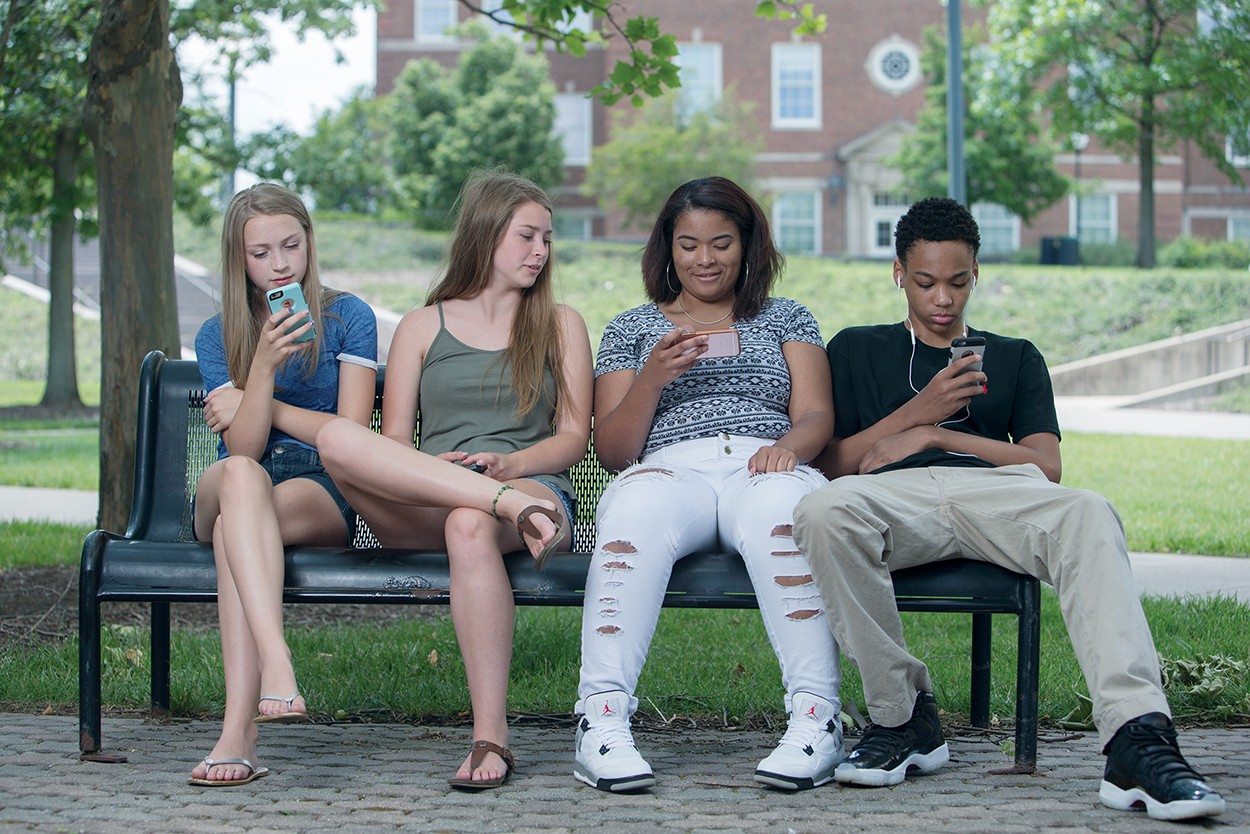
Generation Z is the first to never experience a world without the internet. They were nearly born with devices in hand, and most developed a digital prowess when they were toddlers that outpaced even their Gen Xer parents. The bulk of them are online everyday, prompting LPK to declare that “members of Generation Z consider technology an extension of self – their source of entertainment, education and, most importantly, their way of gathering, sharing and interpreting information.”
Before discounting the seemingly screen-addicted generation, however, consider these additional insights from LPK’s report: “Gen Z is the curation generation — collecting and sharing amongst their sphere of influence, while also developing ‘neuroplasticity,’ the ability to filter and process enormous amounts of information, efficiently and with purpose.” Not only are they more connected and diverse than previous generations, their “immediate and unfiltered access to information from around the world allows for varied perspectives within a single, global community.”
- 70% watch more than two hours of YouTube content each day
- Most average five devices or screens used per day
- Yet, 85% still prefer to interact with friends in person versus on social media
Street-smart approach to education
The modern college-age student is “more focused on gaining valuable work experience than on coursework or exams.” Plus, they prefer to shape their own journey, and thus, “colleges should provide students with valuable experiences — not only to succeed, but to learn how to fail, pick themselves up and try again.”
From a strategic marketing perspective, it appears UC would be wise to lean into its strength. As the global founder of cooperative education in 1906, the university has been emphasizing real-world education for more than a century by being intentional about sending Bearcats into the workforce, the community and around the world.
While Gen Z sees the value in online learning, LPK says, they still prefer traditional college courses, and they are intensely focused on value when it comes to higher education. In other words, “they understand the value of a college education, but are less willing to bear the financial burden. Their focus is on life post-college more than their degree.” Furthermore, successful institutions will encourage students to “hack the educational system to meet their own unique needs.”
- 63% want colleges to offer courses in starting a business
- 79% favor integrating employer internships with academic programs
- 42% expect to work for themselves during their careers
- 72% say colleges should allow them to design their degree programs
A rising influence in the workplace
As Gen Z moves closer to graduation, all indications are that they’ll seek their own unique success criteria when it comes to their careers. This group will be part of the most diverse workforce in history. Forecasters expect they’ll “prioritize workplace culture and engagement over salary,” and emphasize the importance of making a difference in the world. The reporting structure they crave looks more like mentorship than management.

A rising influence in the workplace
As Gen Z moves closer to graduation, all indications are that they’ll seek their own unique success criteria when it comes to their careers. This group will be part of the most diverse workforce in history. Forecasters expect they’ll “prioritize workplace culture and engagement over salary,” and emphasize the importance of making a difference in the world. The reporting structure they crave looks more like mentorship than management.

John Bach
As editor of UC Magazine, John enjoys the opportunity to put a human face on a large institution by telling compelling stories of the University of Cincinnati's incredible community of alumni, faculty, staff and students.
Tags
Related Stories
CCM alumni win big at the 2026 Tony Awards
June 8, 2026
UC College-Conservatory of Music alumni took center stage during a star-studded evening on Sunday, June 7, when music superstar P!NK hosted the American Theatre Wing’s prestigious Tony Awards. Two of CCM's most accomplished alumni took home top honors during this year's ceremony. Shoshana Bean and Stephen Flaherty both received Tonys during the June 7 ceremony.
Playing a winning hand
November 4, 2025
UC mechanical engineering student Brooke Boeding parlayed her co-op at an Ohio engineering and consulting company into a full-time job. Her co-op adviser not only helped her land her first co-op job but also provided guidance to launch her career.
Co-op earnings on the rise
September 2, 2025
In the 2024-45 academic year, University of Cincinnati cooperative education (co-op) students earned more than $94 million in paid work experiences across top industries, making UC one of the best-value universities for hands-on career training and return on investment (ROI). With average co-op salaries exceeding $11,000 per semester, UC continues to lead in experiential learning, job readiness and employer partnerships.
Work hard, play well
June 17, 2025
A co-op at Lego shows one University of Cincinnati student that innovative design starts with a spirit of play.
How to talk to Gen Alpha
January 9, 2025
UC Distinguished Research Professor Gail Fairhurst offers advice about how to bridge the communication divide with Gen Alpha, children born between 2010-2024.
President Pinto celebrates 2024: A year in review
December 12, 2024
University of Cincinnati President Neville G. Pinto shares a message and year-in-review highlights as UC's 2024 comes to a close