Women Can Help Develop Better Treatments for Osteoporosis

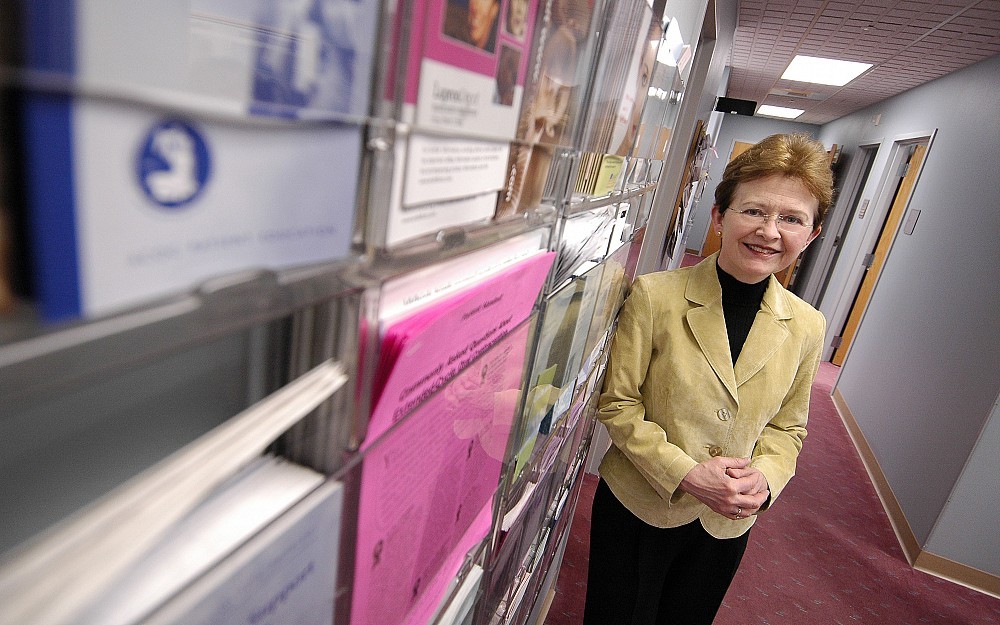
Researchers at the University of Cincinnati (UC) and six other sites across the country are studying how bone markers change during a normal menstrual cycle in premenopausal women. Bone markers are molecules that can be measured in the blood. These molecules tell us how much change is happening in the bone, says Margery Gass, MD, professor of obstetrics and gynecology at UC and the national principal investigator for the study. Bone is a complex living tissue that constantly renews itself. The body builds and stores bone tissue efficiently until age 3035. With aging, bones begin to break down faster than new bone is formed. This breakdown of bone, osteoporosis, is more prevalent in women than men. Women have smaller bones to start with, and the loss of estrogen during menopause causes them to lose bone more rapidly for a short period of time. Most people dont realize that bone is a dynamic organ that builds and dissolves in response to the stresses placed on it, says Dr. Gass. Bone metabolism is also affected by hormones, which fluctuate during a womans menstrual cycle. Synthetic hormones, such as those in birth control pills, also affect bonesin general, they help protect the bone and increase bone density. Thats why we want to study the bone markers of women who are not taking oral contraceptives, Dr. Gass says. According to Dr. Gass, bones have many markers, and researchers are unsure which are the best to measure. This study is important, because if we can isolate which bone markers best reflect the quality of bone in premenopausal women, we can develop better therapies to treat postmenopausal women who lose more bone than they build. Study participants could be helping us develop better treatments that may help the women they lovemothers, grandmothers, even themselves as they get older, says Dr. Gass. Researchers in this study are evaluating bone markers of both white and black women, but more black volunteers are needed. For more information on this study, call (513) 584-4100 or visit www.researchforwomen.com. Dr. Gass has received honoraria and consulting fees from the study sponsors, Roche Pharmaceuticals. May is National Osteoporosis Awareness Month. According to the National Osteoporosis Foundation, osteoporosis is a major public-health threat for an estimated 44 million Americans, or 55 percent of people 50 years of age and older. In the
Tags
Related Stories
UC radiation oncologist speaks with Local 12 news about clinical trial for head and neck cancer treatment
August 10, 2026

Dr. Sara Medek, a UC radiation oncology professor, speaks with Local 12 news about a new clinical trial aimed at reducing radiation in certain areas while still treating cancer effectively but with fewer painful side effects.
Cancer Center director charts future based on collaboration, AI
August 10, 2026

David Gius, MD, PhD, was featured in a Cincinnati Business Courier article and The Cancer Letter’s “The Directors" podcast discussing his priorities and goals as he recently took the helm as director of the University of Cincinnati Cancer Center.
Bidirectional link between oral, kidney health calls for patient education, access
August 4, 2026

Despite growing awareness of the connection between oral health and chronic health conditions, patient awareness and access to dental care remain limited, according to University of Cincinnati experts who recently spoke with Healio | Nephrology News & Issues.