UC HEALTH LINE: Stick to Sunscreen Artificial 'Glow' is Bad for Your Health

CINCINNATISkin cancer experts at the University of Cincinnati (UC) say that the healthy glow most people equate with a summer tan isnt necessarily good for your healthespecially if you are getting it in a tanning bed.
Research has shown a strong relationship between tanning bed exposure and human cancer, says Hugh Gloster, MD, associate professor of dermatology at UC. The longer the exposure, the greater your riskparticularly if youre under 30 or experienced severe burns as a child.
Skin pigmentation cells, known as melanocytes, produce a chemical called melanin that helps block out damaging rays from the sun. Overexposure and severe skin burn leaves the skin susceptible to intense ultraviolet (UV) radiation, electromagnetic radiation emitted from the sun and certain artificial light sources, including tanning beds.
For many people, being tanned is a confidence booster, says Dr. Gloster. But in reality, tanning is the bodys natural defense system for fighting off the harmful effects of the sun.
Most skin cancers can be linked to unprotected UV exposure, he adds. When you tan under artificial light, youre not only saturated with high dosages of UV radiation, youre also getting that harmful exposure without any of the protective effects of sunscreen.
According to the American Cancer Society, more than 1 million people are diagnosed with sun-related non-melanoma skin cancers. The most common form of the disease, skin cancer accounts for nearly half of all cancers in the United States.
There are three types of skin cancer: melanoma, an aggressive form that grows in the melanocytes, and non-melanoma basal and squamous cell cancers, both of which occur on the outer layer of the skin.
If the appearance of tan is important to you, sunless tanning sprays can be a good alternative, says Dr. Gloster. The important thing is to recognize that those sprays have absolutely no protective effect against the sun, so you still need to slather on the sunscreen.
The good news, he says, is that many skin cancers can be avoided with smart sun safety habits.
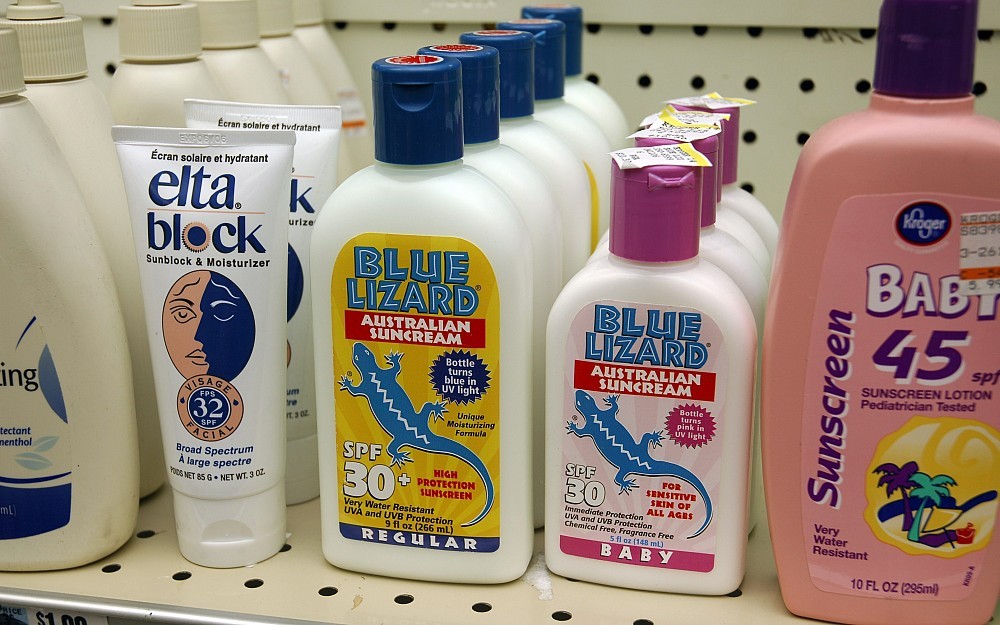
The most important thing you can do for you and your family, says Dr. Gloster, is keep a large bottle of sunscreen and use it every time youre exposed to the sunwhether its for half an hour or five hours.
He recommends using a sunscreen with a sun protection factor (SPF) of 15 to 30, applied every two to three hours any time youre spending time outsideeven on overcast days. He also encourages following good sun-safety habits:
- Avoid the sun between 10 a.m. and 4 p.m., when the suns rays are most intense.
- Wear protective clothing thats comfortable, but not see-through. The suns rays can penetrate clothing.
- Wear a hat that shades your face, ears and neck while youre walking outside, driving in your car or sitting by a window. These areas are constantly exposed to the sun, so they merit extra protection.
- Buy sunglasses that protect from UV radiation. Many can effectively filter out 99 percent of harmful UV rays.
- Pay attention to significant skin pigment changes and irregular body moles. Significant changes may indicate cancer and should be examined by your family physician or dermatologist.
For moreinformation on skin cancer and other conditions, visit http://www.netwellness.org/.More than 140 UCexperts answer health-related questions from consumersonthe collaborative health-information Web site staffed by Ohiophysicians, nurses and allied-health professionals.
Tags
Related Stories
UC study shows lack of awareness for lung cancer screenings across country
August 21, 2026
University of Cincinnati Cancer Center researchers have published a study in the American Journal of Surgery that found only 15% of eligible American adults have discussed lung cancer screening with their doctors.This research emphasizes the need to spread awareness and better educate the public about screening through low-dose computed tomography.
UC radiation oncologist speaks with Local 12 news about clinical trial for head and neck cancer treatment
August 10, 2026

Dr. Sara Medek, a UC radiation oncology professor, speaks with Local 12 news about a new clinical trial aimed at reducing radiation in certain areas while still treating cancer effectively but with fewer painful side effects.
Cancer Center director charts future based on collaboration, AI
August 10, 2026

David Gius, MD, PhD, was featured in a Cincinnati Business Courier article and The Cancer Letter’s “The Directors" podcast discussing his priorities and goals as he recently took the helm as director of the University of Cincinnati Cancer Center.