UC HEALTH LINE: Chocolate Should it Be a Forbidden Food?

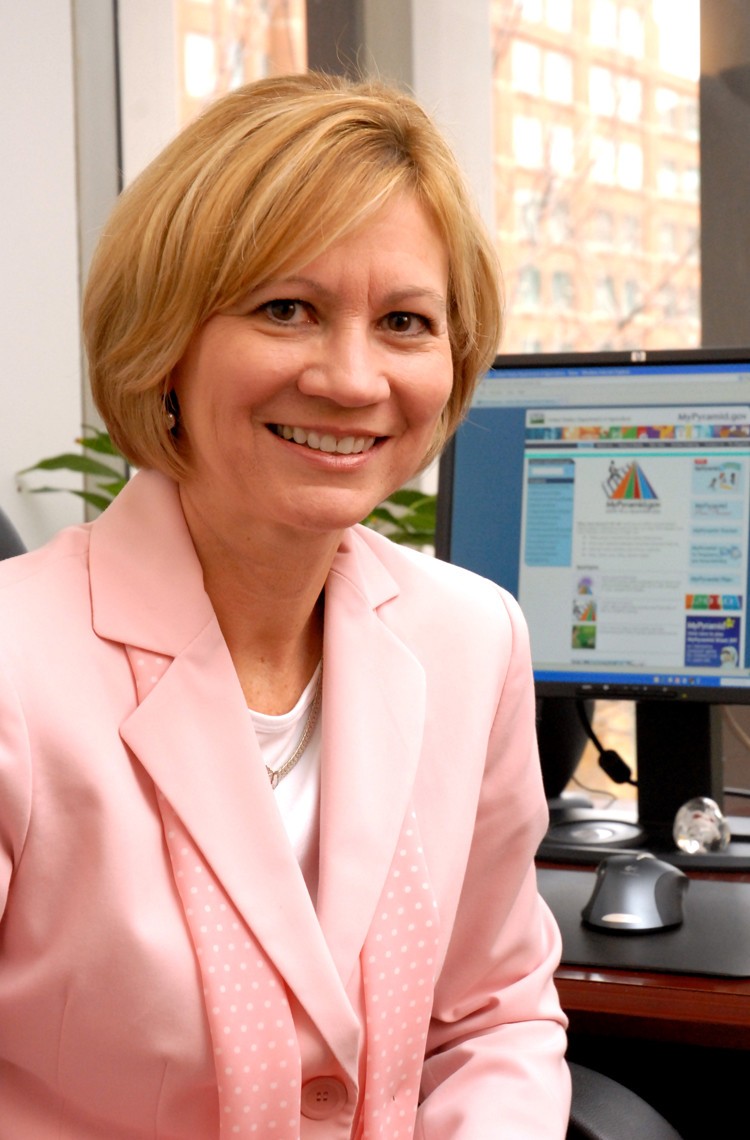
CINCINNATIThere is a sound kids love to hear in the summer and one that may bring back fond memories for adultsthe musical tune ice cream trucks play as they roll through the neighborhood. From ice cream covered in chocolate to soft serve with chocolate candies, a favorite treat for many contains a common ingredientchocolate. "People often think chocolate should be restricted from their diets because its bad for them, says Bonnie Brehm, PhD, associate professor at the University of Cincinnati College of Nursing. "Chocolate actually has flavonoids, which are substances that act as antioxidants, protecting the body from free radicals, or oxidized compounds that are associated with the development of heart disease. Although chocolate is relatively high in calories and fat (about 150 calories and 8.5 grams of fat per ounce) it contains heart-healthy monounsaturated fat (also found in olive oil), according to Brehm. In addition, it has stearic and palmitic acids (forms of saturated fat). Saturated fats are linked to increases in LDL, or bad, cholesterol and risk for heart disease, however, research shows that stearic acid appears to have a neutral effect on cholesterol neither raising or lowering LDL cholesterol levels. Palmitic acid does affect cholesterol levels but only comprises one-third of the fat calories in chocolate. "Although chocolate has antioxidants, that doesnt mean you can eat as much of it as you want. You can include chocolate in your diet but like all foods, it should be done in moderation, says Brehm. Here are some helpful things to know about chocolate: Brehm cautions people to choose their chocolate treats wisely. "Chocolate that contains other ingredients, such as caramel, marshmallow and nuts, adds fat and calories. Try strawberries dipped in chocolate, brownies with dried fruit or a piece of dark chocolate. You dont need to feel guilty about enjoying a small serving of chocolate once in awhile, Brehm advises. Brehm is one of nearly 140 UC experts answering health-related questions from consumers on NetWellness, a collaborative health-information Web site staffed by
Tags
Related Stories
UC radiation oncologist speaks with Local 12 news about clinical trial for head and neck cancer treatment
August 10, 2026

Dr. Sara Medek, a UC radiation oncology professor, speaks with Local 12 news about a new clinical trial aimed at reducing radiation in certain areas while still treating cancer effectively but with fewer painful side effects.
Cancer Center director charts future based on collaboration, AI
August 10, 2026

David Gius, MD, PhD, was featured in a Cincinnati Business Courier article and The Cancer Letter’s “The Directors" podcast discussing his priorities and goals as he recently took the helm as director of the University of Cincinnati Cancer Center.
UC graduates cross finish line at commencement
August 7, 2026
The University of Cincinnati recognized 2,125 graduates in two ceremonies at summer commencement Friday on campus at Fifth Third Arena.