Skin Cancer Rare But More Deadly in People with Darker Skin

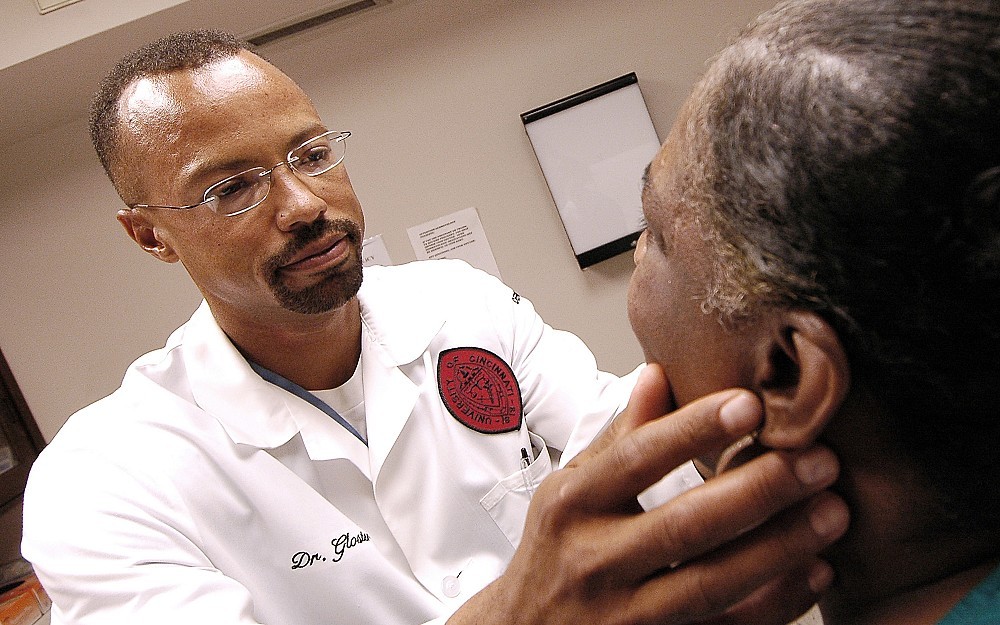
Hugh Gloster, MD, associate professor of dermatology at UC, says that dark-skinned peopleincluding blacks, Asians, Hispanics and Native Americansdevelop fewer nonmelanoma skin cancers compared with whites. But when the disease does occur, it is typically more aggressive and diagnosed in its later stages, which leads to disproportionately more deaths among minority populations.
This research was presented today (July 27) at the summer meeting of the
Theres a perception that people with darker skin dont have to worry about skin cancer, but thats not true, explains Gloster, lead author of the study. Minorities do get skin cancer, and because of this false perception most cases arent diagnosed until they are more advanced and difficult to treat.
Unfortunately, he adds, that translates into higher mortality rates.
Skin pigmentation cells, known as melanocytes, produce a chemical called melanin that gives the skin color and helps block out damaging ultraviolet (UV) rays from the sun and artificial light sources like tanning beds. Dark-skinned people produce more melanin in the skin, and are therefore less susceptible to severe skin burn and UV damage.
Dark skin has increased epidermal melanin, explains Gloster, which provides a natural skin protection factor (SPF) of more than 13 in dark-skinned blacks, and filters twice as much UV radiation as white skin, which has far less melanin.
Gloster and his UC colleague Kenneth Neal, MD, conducted a retrospective review of clinical data collected over the last 50 years by medical centers across the North America, Asia and
They determined that while incidence rates of basal and squamous cell carcinomas and melanomas among whites have increased between 5 and 8 percent, rates among blacks for the same period remained relatively constant. More important, although fewer blacks developed skin cancer, a larger number of them died of the disease, Gloster says.
In addition, UC researchers noted that blacks were 8.5 times more likely to develop squamous cell carcinomawhich occurs in the upper layers of the skin and is the second most common type of skin canceron areas protected from to the sun (hand palms, toes and mucous membranes) than those areas of the body that are regularly exposed to the sun (the nose, ears and backs of the hands).
This, the researchers say, implies that UV radiation does not play as important a role in the development of squamous cell carcinoma in minorities as it does in whites.
Gloster says physicians should stress behavior modifications, including regular use of sunscreen and self skin checks for significant changes in moles and skin texture, with all their patients.
Its especially important that physicians stress these messages with young women, he adds. Dermatologists are seeing an increased number of skin cancer cases in women under 30and most are either former tanning bed users or people who dont regularly use sunscreen.
Melanoma, the most aggressive form of skin cancer, appears to develop differently in whites than in darker-skinned people in whom the disease usually appears on the palms, soles, and under the nails. This data suggests that UV radiation is not a significant risk factor for melanoma in dark ethnic groups. However, UV radiation is considered a chief cause of the disease in whitesspecifically from intense early-life and blistering sunburns
According to the U.S. Census Bureau, 50 percent of the
We need to increase public awareness of skin cancer among ethnic minorities if were going to decrease skin cancer-related deaths, adds Gloster. Prevention is key to fighting this disease.
The American Cancer Society estimates that more than 68,700 people will develop non-basal and squamous cell skin cancer in 2006about 90 percent of them getting the most serious type, melanoma.
This study was sponsored by the UC dermatology department.

Gloster says physicians should encourage all their patient to regularly use sunscreen and perform self skin checks.
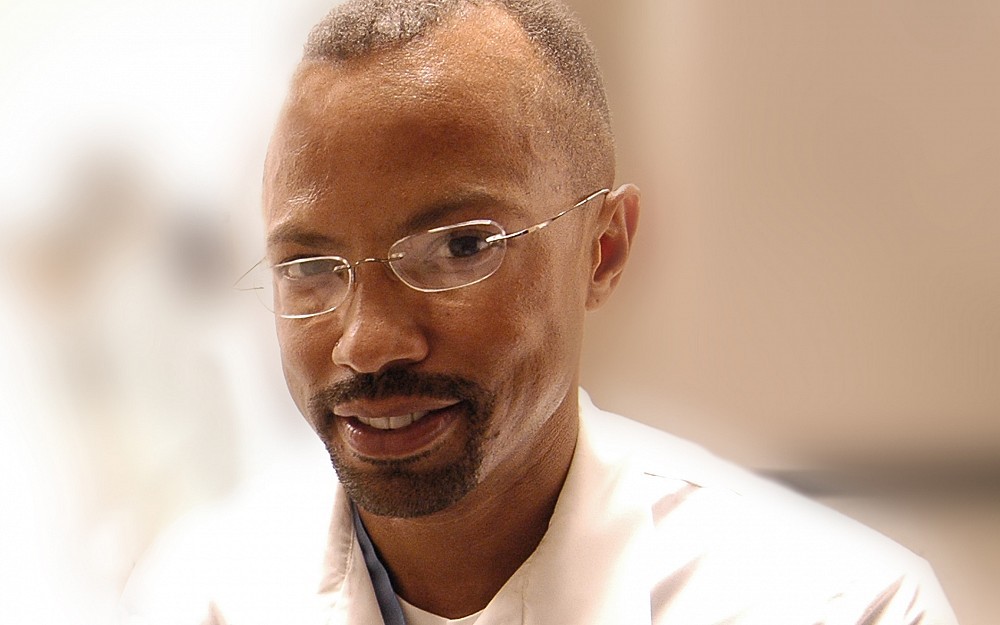
Hugh Gloster, MD, specializes in the treatment of skin cancer.
Tags
Related Stories
UC radiation oncologist speaks with Local 12 news about clinical trial for head and neck cancer treatment
August 10, 2026

Dr. Sara Medek, a UC radiation oncology professor, speaks with Local 12 news about a new clinical trial aimed at reducing radiation in certain areas while still treating cancer effectively but with fewer painful side effects.
Cancer Center director charts future based on collaboration, AI
August 10, 2026

David Gius, MD, PhD, was featured in a Cincinnati Business Courier article and The Cancer Letter’s “The Directors" podcast discussing his priorities and goals as he recently took the helm as director of the University of Cincinnati Cancer Center.
Bidirectional link between oral, kidney health calls for patient education, access
August 4, 2026

Despite growing awareness of the connection between oral health and chronic health conditions, patient awareness and access to dental care remain limited, according to University of Cincinnati experts who recently spoke with Healio | Nephrology News & Issues.