New Approach Considers Cosmetic and Emotional Effects Upfront When Planning Breast Cancer Surgery

This methodknown as oncoplastic surgerycombines breast cancer surgery (mastectomy or lumpectomy and lymph node evaluation) with reconstructive surgery in one operation. A cancer and plastic surgeon work side-by-side to assess the lymph nodes, remove the cancerous tumor and surrounding tissue, and then immediately reconstruct the disfigured breast using the patients own tissue.
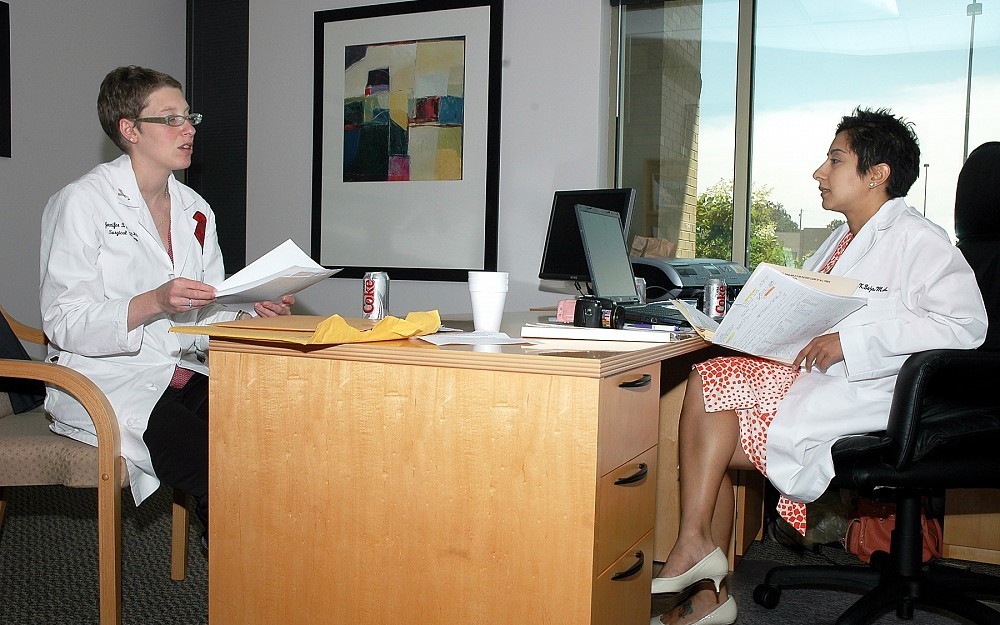
UC surgeons Jennifer Manders, MD, and Anureet Bajaj, MD, recently launched the Tristates first oncoplastics program at the UC Physicians University Pointe medical campus.
Having a disfigured breast after surgery and radiation is emotionally difficult, says Manders, an assistant professor and breast surgeon at UC. With the advanced breast-conserving surgical techniques available today, theres no reason women should have to live with physical disfigurement after breast cancer surgery.
Oncoplastic surgery is covered by most health insurance providers under the Womens Health and Cancer Rights Act of 1998, which required that health plans and insurers providing medical coverage for mastectomy also offer coverage for reconstructive breast surgery.
The combined oncoplastic surgery approach can result in cancer-free and aesthetically pleasing breasts in one procedure, Manders adds.
Oncoplastic surgery requires the breast cancer surgeon and the plastic surgeon to work closely throughout the patients treatment, including during initial consultations and in the operating room, to assess and manage both oncologic and aesthetic aims.
Surgeons map out each patients surgery so that the tumor and enough surrounding tissue are removed to eliminate the cancer, while conserving enough tissue to reconstruct the breast. When the cancerous tissue has been removed, the surgeons can manipulate the womans remaining tissueessentially giving the woman a liftto form symmetrical, cosmetically pleasing breasts.
Collaborating throughout the entire process allows us to effectively control the cancer surgically, and then immediately reconstruct natural-looking breasts. This may help ease the emotional burden of dealing with breast cancer, Manders says.
The procedure takes between two and three hours to complete, depending on the extent of the patients cancer. Women can usually return to their daily activities and work within a few weeks.
The oncoplastics approach, says Manders, minimizes the time the patient spends traveling for various doctor visits and improves communication among all members of the medical teamwhich usually includes a breast cancer surgeon, plastic surgeon, medical oncologist and radiation oncologist.
Its important for the patient to know her caregivers are working as a team, and oncoplastics lets us make those surgery decisions togetherwith the patientfrom day one, adds Manders. By working as a combined team, we can better visualize exactly what needs to happen during surgery to achieve the best medical and cosmetic outcomes for the patient.
According to the American Society of Plastic Surgeons, more than 69,000 womennearly 47 percent of them between 35 and 50choose to have breast reconstruction after mastectomy or lumpectomy. The American Cancer Society estimates that about 212,000 women with be diagnosed with breast cancer in 2006.
The UC oncoplastics team sees patients at University Pointe in

Surgeons Jennifer Manders, MD, (right) and Anureet Bajaj, MD, examine a breast cancer patient's mammograms.

Jennifer Manders, MD, is a breast surgeon and assistant professor of medicine at the University of Cincinnati.
Tags
Related Stories
UC radiation oncologist speaks with Local 12 news about clinical trial for head and neck cancer treatment
August 10, 2026

Dr. Sara Medek, a UC radiation oncology professor, speaks with Local 12 news about a new clinical trial aimed at reducing radiation in certain areas while still treating cancer effectively but with fewer painful side effects.
Cancer Center director charts future based on collaboration, AI
August 10, 2026

David Gius, MD, PhD, was featured in a Cincinnati Business Courier article and The Cancer Letter’s “The Directors" podcast discussing his priorities and goals as he recently took the helm as director of the University of Cincinnati Cancer Center.
Bidirectional link between oral, kidney health calls for patient education, access
August 4, 2026

Despite growing awareness of the connection between oral health and chronic health conditions, patient awareness and access to dental care remain limited, according to University of Cincinnati experts who recently spoke with Healio | Nephrology News & Issues.