UC Receives $1.68 Million to Study Estrogen Danger In Packaging

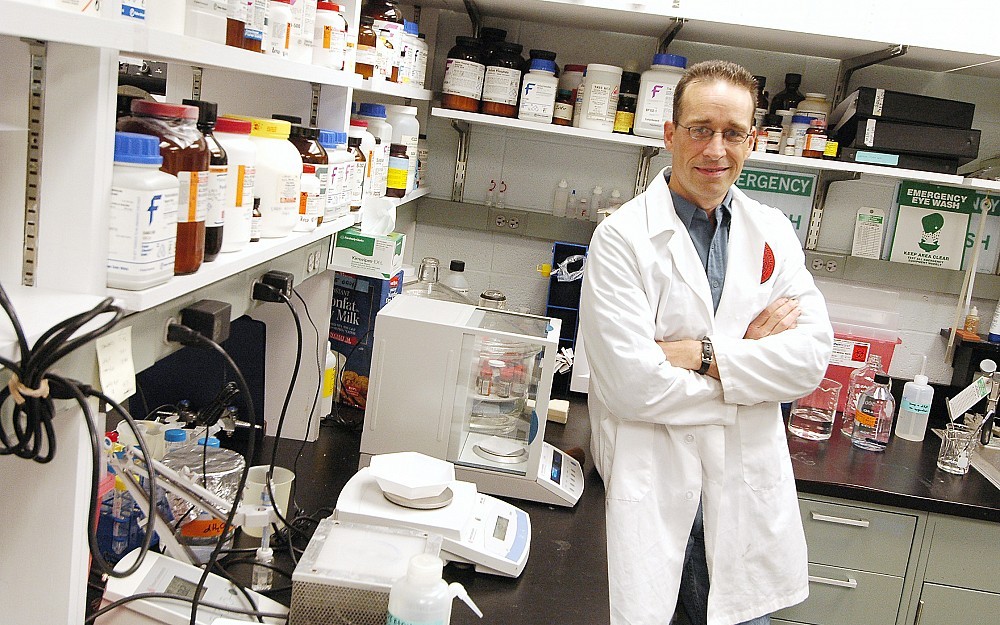
CINCINNATIUniversity of Cincinnati (UC) researcher Scott Belcher, PhD, has received a five-year, $1.68 million dollar grant from the National Institute of Environmental Health Sciences (NIEHS) to continue his research into the effects of environmental estrogens on the developing brain.
Last year Belcher and his team published two articles in the journal Endocrinology showing that surprisingly low doses of the chemical bisphenol A (BPA), widely used in products such as food can linings, milk containers, water pipes and dental sealants, affects developing brain tissue.
Belcher, an associate professor in the department of pharmacology and cell biophysics, says the funding will support his groups continuing research into the effects of BPA and other plastic compounds on brain development.
Findings from our lab and others across the world already show that the health risk from estrogens in everyday packaging is important and has the potential of being a major human health problem, says Belcher.
Belcher has also been invited to chair a session at a major NIEHS-sponsored workshop that will bring together scientists from different disciplines who have conducted research on BPA.
The workshop, Nov. 28 and 29 in
Were giving regulators an opportunity to learn about the science of BPA so they can appreciate the scientific communitys concern about this important issue, Belcher says.
Also representing UC at the workshop will be two other nationally recognized researchers into the health effects of BPA: Shuk-mei Ho, PhD, professor and chair of the environmental health department, and Karen Knudsen, PhD, assistant professor in cell biology, neurology and anatomy.
Tags
Related Stories
UC radiation oncologist speaks with Local 12 news about clinical trial for head and neck cancer treatment
August 10, 2026

Dr. Sara Medek, a UC radiation oncology professor, speaks with Local 12 news about a new clinical trial aimed at reducing radiation in certain areas while still treating cancer effectively but with fewer painful side effects.
Cancer Center director charts future based on collaboration, AI
August 10, 2026

David Gius, MD, PhD, was featured in a Cincinnati Business Courier article and The Cancer Letter’s “The Directors" podcast discussing his priorities and goals as he recently took the helm as director of the University of Cincinnati Cancer Center.
Bidirectional link between oral, kidney health calls for patient education, access
August 4, 2026

Despite growing awareness of the connection between oral health and chronic health conditions, patient awareness and access to dental care remain limited, according to University of Cincinnati experts who recently spoke with Healio | Nephrology News & Issues.