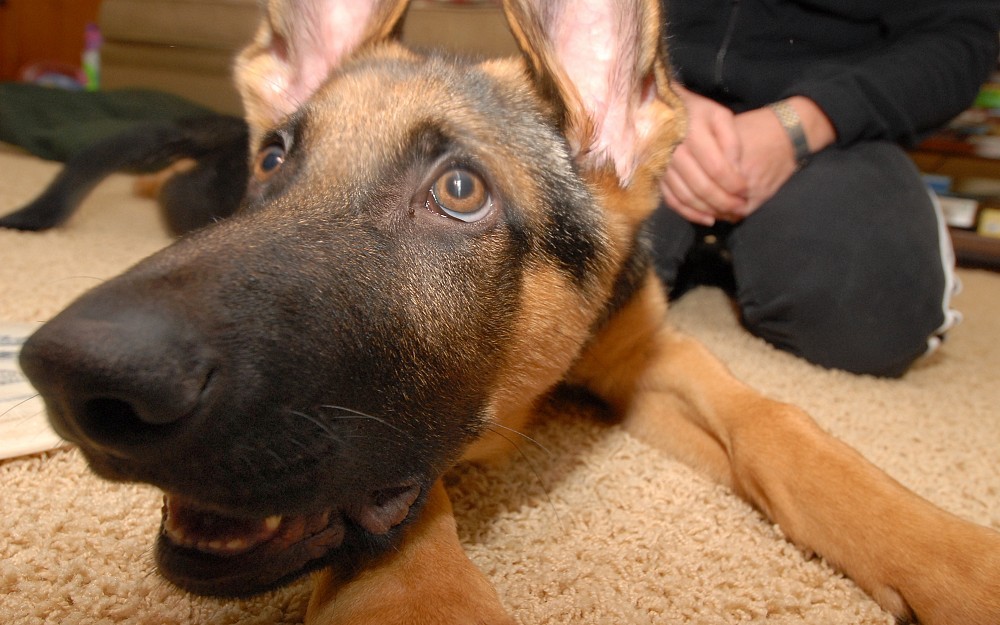
Infants Wheeze Less in Homes With Multiple Dogs

They found that wheezing was not associated independently with either dog or cat ownership or high levels of indoor endotoxins; however, high endotoxin exposures in homes that also had multiple dogs resulted in less wheezing.
Our research presents evidence that pet ownership offers a protective effect against development of lower respiratory symptoms in young children, adds Bernstein.
The UC-led teams findings conflict with earlier studies suggesting exposure to high endotoxin levels or pet ownership can protect against an increased risk for future allergic diseases, the UC team reports in the December edition of theJournal of Allergy and Clinical Immunology.
Exposure to high endotoxin levels in the home may not be an important determinant of aeroallergen sensitization during infancy, explains Bernstein, professor of immunology and senior author for the study. We do not yet understand how and why exposure to high levels of bacterial endotoxin and multiple dogs in the home exert a protective effect in these high-risk infants from wheezing early in life.
Endotoxins are natural compounds secreted from pathogens (disease-causing agents) like bacteria that are commonly found in the intestines and feces. Scientists believe that endotoxins can stimulate our immune systems in many different ways.
Our bodies are programmed to produce allergic responses early in life, Bernstein explains, but there are environmental factors like bacterial endotoxins that may modify the immune system and block development of allergies early in life.
The UC-led team analyzed the effects of pet ownership (cats and dogs) and endotoxin exposure in 520 infants enrolled in the Cincinnati Childhood Allergy and Air Pollution Study (CCAAPS) who were identified as being at greater risk for developing allergies because at least one parent had known allergies.
The CCAAPS, funded by the National Institute of Environmental Health Sciences, is a five-year study examining the effects of environmental particulates on childhood respiratory health and allergy development.
Researchers collected dust samples from the infants homes to measure endotoxin levels. They also determined the number of siblings and gathered information about the home, including the presence of mold and second-hand smoke. Environmental and food allergy development was monitored through annual skin prick tests.
Previous studies have addressed the role of pet ownership in childhood allergy development; however, findings have been inconsistent, according to Bernstein. Until now, it was unclear whether animal ownership, endotoxin exposure or a combination of the two resulted in wheezing. Bernstein says further research is needed to determine if these early protective effects have long-term benefits.
Collaborators in this study include Manuel Villareal, MD, of Cincinnati Childrens

Petownership and allergies
Tags
Related Stories
UC radiation oncologist speaks with Local 12 news about clinical trial for head and neck cancer treatment
August 10, 2026

Dr. Sara Medek, a UC radiation oncology professor, speaks with Local 12 news about a new clinical trial aimed at reducing radiation in certain areas while still treating cancer effectively but with fewer painful side effects.
Cancer Center director charts future based on collaboration, AI
August 10, 2026

David Gius, MD, PhD, was featured in a Cincinnati Business Courier article and The Cancer Letter’s “The Directors" podcast discussing his priorities and goals as he recently took the helm as director of the University of Cincinnati Cancer Center.
Bidirectional link between oral, kidney health calls for patient education, access
August 4, 2026

Despite growing awareness of the connection between oral health and chronic health conditions, patient awareness and access to dental care remain limited, according to University of Cincinnati experts who recently spoke with Healio | Nephrology News & Issues.