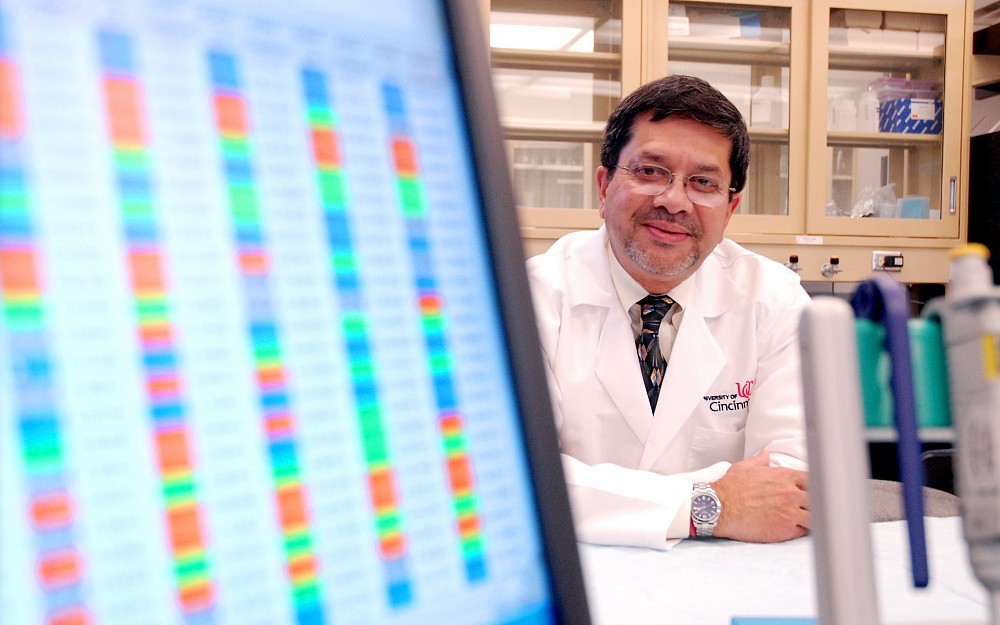
Genetic Experts Investigate Causes of Harmful Metabolic Disorder

Metabolic syndrome has emerged as a public health problem of epidemic proportions in Western societies like the
Metabolic syndrome is a combination of inherited risk factors, and, according to the American Heart Association, about 25 percent of Americans have it. Untreated, it can lead to life-threatening health problems such as coronary artery disease, stroke and type 2 diabetes.
This UC-led study aims to identify and isolate the specific genes associated with metabolic syndrome so that scientists can identify at-risk populations.
Metabolic syndrome is a complex disease that cant be attributed to just one cause, explains Deka. Genes dont act alone. They work in concert with the environment, so exposures as well as lifestyle choices and diet can contribute to it.
Deka believes that genetic dispositions may be coming together with changed lifestyleone of unhealthy food intake, little exercise and an overall sedentary lifestyle to cause metabolic syndrome.
Primary risk factors for the condition include central obesity (around and in the abdomen), high blood pressure, glucose intolerance and blood-fat disorders that promote plaque buildup in the artery walls.
Deka and his team will attempt to establish a genetic basis for metabolic syndrome by identifying chromosomal regions associated with it. They will collect data from a genetically isolated population of about 80 large families living in the islands of
Because these islanders are a traditionally isolated society, Deka says, the people have a very homogeneous genome. This eliminates many of the confounding effects of a diverse population and is more conducive to research designed to isolate specific genetic causes of a disease.
Croatians also have many risk factors for metabolic syndromeincluding obesity and high blood pressurethat cannot be explained by poor diet or lifestyle choices.
This is unusual, explains Deka, because this population eats a traditional Mediterranean diet, which is thought to be very healthful. We believe these risk factors may be primarily linked to genetics, not lifestyle and environmental exposures.
Deka and his team will collect blood samples, environmental data (such as diet and lifestyle), family medical history and other demographic information from about 1,200 individuals from the Croatian islands. They will perform DNA analysis on each person to identify genetic markers that may be linked to metabolic disease.
By understanding what genetic mutations exist and where they are within the bodys genetic make-up, we can identify correlations between genetic abnormalities and specific diseases, Deka says. When we can do that, well have a better understanding of how to treat the underlying causes of complex diseases.
Study collaborators include UCs Ranajit Chakraborty, PhD and Pavao Rudan, PhD, of the Institute for Anthropological Research in

Ranjan Deka, PhD, is a professor in the department of environmental health.
Tags
Related Stories
UC radiation oncologist speaks with Local 12 news about clinical trial for head and neck cancer treatment
August 10, 2026

Dr. Sara Medek, a UC radiation oncology professor, speaks with Local 12 news about a new clinical trial aimed at reducing radiation in certain areas while still treating cancer effectively but with fewer painful side effects.
Cancer Center director charts future based on collaboration, AI
August 10, 2026

David Gius, MD, PhD, was featured in a Cincinnati Business Courier article and The Cancer Letter’s “The Directors" podcast discussing his priorities and goals as he recently took the helm as director of the University of Cincinnati Cancer Center.
Bidirectional link between oral, kidney health calls for patient education, access
August 4, 2026

Despite growing awareness of the connection between oral health and chronic health conditions, patient awareness and access to dental care remain limited, according to University of Cincinnati experts who recently spoke with Healio | Nephrology News & Issues.