Trial Uses Genetic Test to Tailor Breast Cancer Treatment

According to Jennifer Manders, MD, it is not always clear which follow-up treatmentchemotherapy, hormone therapy or a combination of bothis most effective for women who fall into the gray area of intermediate risk for breast cancer recurrence.
Currently, many patients with early stage breast cancer are given both hormones and chemotherapy to control recurring tumor growth and kill any residual cancer cells in the body.
Research suggests, however, that chemotherapy could have no measurable benefit to patients with less-aggressive cancers whose risk for recurrence is unclear.
A major phase-3 trial, led locally by surgeons Elizabeth Shaughnessy, MD, PhD, and Manders, is underway to investigate whether hormone therapy alone can produce better cancer-free survival for women who fall into the intermediate recurrence risk category.
Research tells us that giving hormone therapy alone to women at low risk for recurrence and chemotherapy followed by hormonal therapy to women at a high risk for recurrence makes medical senseits the women who fall in the middle that were unclear about, explains Manders, an assistant professor at the University of Cincinnati (UC).
We need to develop a method of tailoring follow-up treatment that addresses the specific characteristics of a patients tumor, she adds. This will allow us to more accurately predict what medical treatments will be most effective at alleviating the disease long term.
This National Cancer Institute-sponsored trialknown as TAILORxuses genetic tests to obtain an individualized and quantitative analysis of how likely a specific patients breast cancer is to recur.
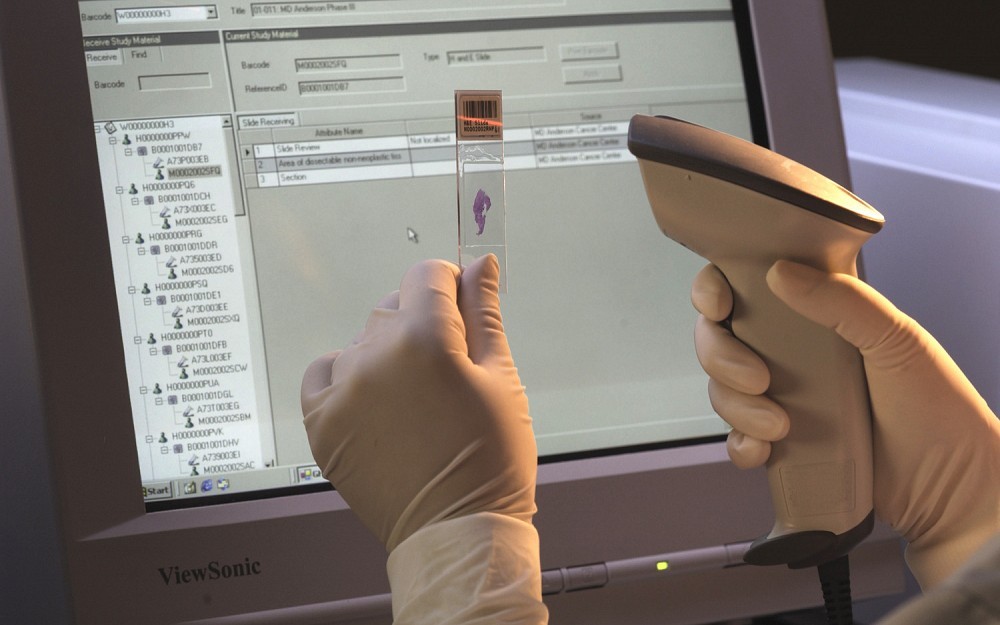
When a patient enrolls in the trial, a tumor tissue sample is sent to a central processing lab where scientists analyze it against a panel of 21 genes with known links to breast cancer.
Using a statistical risk prediction model, the scientists then calculate a score that represents the specific patients risk for breast cancer recurrence. The score is determined from the gene expression results using a range of zero to 100. Scores between 11 and 25 are considered to be in the intermediate or unclear risk category this trial focuses on.
Manders says information gathered from the genetic breast cancer test could give physicians a better understanding of the specific characteristics of their patients breast tumors, which is critical in planning accurate treatment plans and follow-up.
This trial asks: will the majority of women in that moderate risk group will benefit from chemotherapy, hormonal therapy or a combination of both? says Manders. If we can answer that question, we can customize treatment based on a tumors specific characteristics and apply more logical medical regimens that minimize unnecessary treatmentand the correlating potential side effects.
Study participants are placed into one of four treatment arms, based on their recurrence scores. Women considered at low risk (10 or less) will receive hormone therapy, with women on the other end of the scale (26 or more) will get both chemotherapy and hormone therapy. The remaining women falling into the intermediate risk group will be randomized to receive either hormone therapy alone or a combination of chemotherapy plus hormone therapy.
Women who have undergone surgery for localized stage 1 or 2 hormone receptor-positive breast cancer may be eligible for the trial.
Some insurance providers, including Medicare, provided coverage for genetic testing. Patients who qualify for this trial will receive the genetic testing and corresponding treatment visits at no cost.
For enrollment information, call Ruth Steele at (513) 584-2951.

Jennifer Manders, MD, is a breast surgeon and assistant professor of medicine at the University of Cincinnati.

Elizabeth Shaughnessy, MD, PhD, specializes in the treatment of breast diseases.
Tags
Related Stories
UC radiation oncologist speaks with Local 12 news about clinical trial for head and neck cancer treatment
August 10, 2026

Dr. Sara Medek, a UC radiation oncology professor, speaks with Local 12 news about a new clinical trial aimed at reducing radiation in certain areas while still treating cancer effectively but with fewer painful side effects.
Cancer Center director charts future based on collaboration, AI
August 10, 2026

David Gius, MD, PhD, was featured in a Cincinnati Business Courier article and The Cancer Letter’s “The Directors" podcast discussing his priorities and goals as he recently took the helm as director of the University of Cincinnati Cancer Center.
Bidirectional link between oral, kidney health calls for patient education, access
August 4, 2026

Despite growing awareness of the connection between oral health and chronic health conditions, patient awareness and access to dental care remain limited, according to University of Cincinnati experts who recently spoke with Healio | Nephrology News & Issues.