UC HEALTH LINE: Healthy Home Can Help Prevent Childhood Poisoning

CincinnatiEnvironmental health experts say preventing the life-long health effects of childhood poisoning starts by creating an overall healthy home environment that promotes well-being and is free of potentially harmful substances.
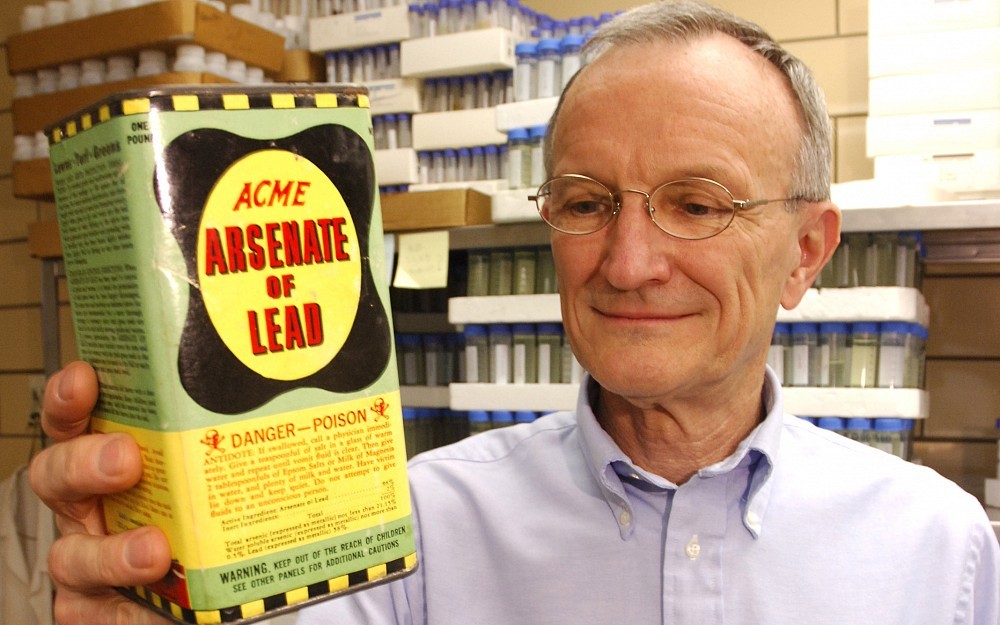
Research and public awareness campaigns have put lead at the forefront when people think of childhood poisoning, says Bill Menrath, a senior environmental health research associate at UC. But creating a truly healthy house requires a holistic approach that addresses and eradicates the things that threaten the health and well-being of everyone living in the home.
Menrath believes in the seven easy-to-remember principles suggested by the
These simple guidelines include:
- Keep it dry
- Keep it clean
- Keep it pest-free
- Keep it ventilated
- Keep it safe
- Avoid contaminants, and
- Maintain the house
By practicing these principles, says Menrath, homeowners will naturally eliminate some of the most common hazards, pollutants and contaminants people are exposed to in the home.
But researchers caution that a combination of factorsincluding a natural curiosity to explore their environmentstill puts children at an increased risk for poisoning from household items. According to the Centers for Disease Control, 2.2 million cases of poisoning were reported in 2000, and more than 52 percent of them involved children under 6.
We all know that young children tend to put things in their mouths that shouldnt be there, says Sandy Roda, an environmental health research associate at UC. But children also have faster rates of metabolism than adults and arent equipped physically to handle toxic chemicals. The effects of harmful substances like lead are magnified because their bodies and minds are still growing.
Environmental health experts offer the following tips for preventing common childhood poisonings:
-
Remove lead-based paint hazards: If your home was built before 1978, any chipping or peeling paint should be tested for lead content. Contrary to popular belief, most children are poisoned by ingesting lead dust, not paint chips. Over time, paint chips break down into microscopic particles and combine with common household dust. Children are usually exposed when they play with their toys or feeding bottles on surfaces with lead dust on them.
Home lead-testing kits can be purchased from UCs environmental health department for about $19 by calling (513) 558-0523. Each kit includes information on potential sources of lead and supplies for collecting paint, dust and soil samples for testing. Samples are sent to the Hematology and Environmental Laboratory at UC for professional analysis.
- Beware of lead in foreign toys: Avoid buying your kids the cheap trinket toys and jewelry commonly sold in vending machines at grocery and department stores. Last year, the U.S. Consumer Product Safety Commission recalled 150 million pieces of foreign-made trinket jewelry because they contained unsafe levels of lead that could easily be passed to children if the items were chewed or swallowed. At least one child has died in the past year from swallowing one of these trinkets.
- Keep medications out of reach: Iron-containing medicines and vitamin supplements can cause irreversible liver damage in small children. The adage out of sight, out of mind applies here, so avoid taking medication in front of children (they may want to imitate your behavior) and store it in a safe place. Decongestants, antidepressants, blood pressure pills, iron supplements, diet pills and other stimulants are especially dangerous to young children.
-
Dispose of hazardous liquids: People have the bad habit of keeping rarely used items like kerosene and paint thinners around. These substances can be highly toxic to both adults and children when accidentally ingested.
Hamilton County Environmental Services offers free household hazardous waste removal for its residents every spring. This year, collections begin on Saturday, March 17. For more information, call (513) 946-7700 or visit www.hcdoes.org.
If you suspect your child has been poisoned, call the

Sandy Roda, director of the Hematology and Environmental Laboratories at UC, tests blood for trace metals.

Bill Menrath is a senior research associate in UC's environmental health department.
Tags
Related Stories
UC radiation oncologist speaks with Local 12 news about clinical trial for head and neck cancer treatment
August 10, 2026

Dr. Sara Medek, a UC radiation oncology professor, speaks with Local 12 news about a new clinical trial aimed at reducing radiation in certain areas while still treating cancer effectively but with fewer painful side effects.
Cancer Center director charts future based on collaboration, AI
August 10, 2026

David Gius, MD, PhD, was featured in a Cincinnati Business Courier article and The Cancer Letter’s “The Directors" podcast discussing his priorities and goals as he recently took the helm as director of the University of Cincinnati Cancer Center.
Bidirectional link between oral, kidney health calls for patient education, access
August 4, 2026

Despite growing awareness of the connection between oral health and chronic health conditions, patient awareness and access to dental care remain limited, according to University of Cincinnati experts who recently spoke with Healio | Nephrology News & Issues.