Study Shows MRI Can Spot Undetected Cancers in Opposite Breast

CincinnatiOne in 10 women with newly diagnosed cancer in one breast will develop the disease in the opposite breast, according to a new research study that involved University of Cincinnati (UC) radiologists.
Opposite (contralateral) breast cancers often take years to diagnose, which leads to patient anxiety, less-successful treatments and additional costly procedures.
The study, conducted by the
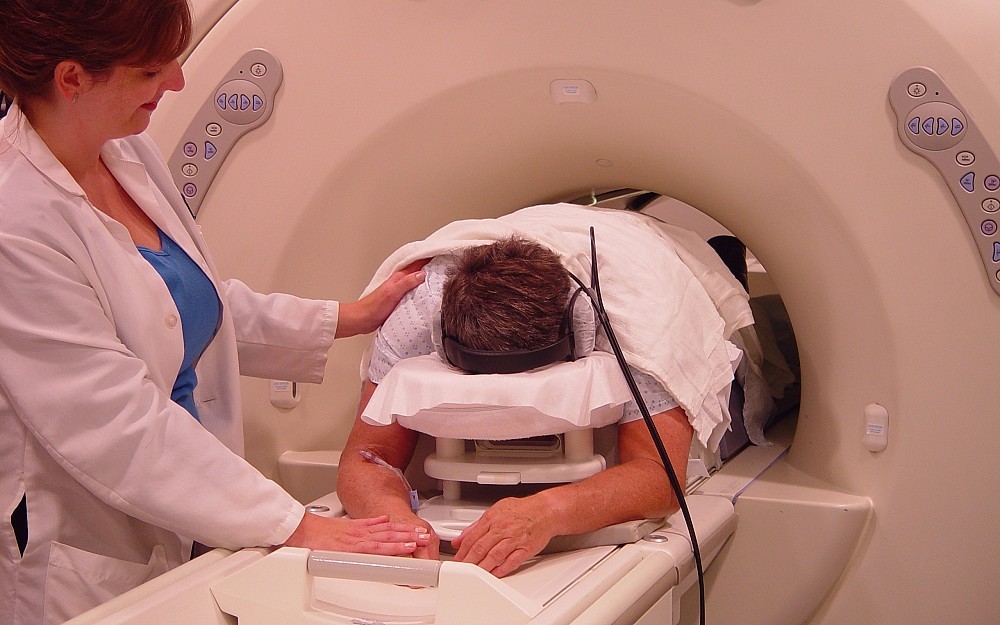
Research at 25 institutions nationwide, including the Barrett Cancer Center at UC, showed that adding an MRI to a womans breast cancer exam detected more than 90 percent of cancers in the opposite breast that were missed by mammography. The MRI scans essentially doubled the number of cancers detected.
We can now identify the vast majority of opposite breast cancers at the time of a womans initial diagnosis, says Constance Lehman, MD, PhD, director of breast imaging at the University of Washington and principal investigator of the ACRIN breast MRI trial. Instead of those women having another cancer diagnosis years after their initial treatment, we can diagnose and treat opposite breast cancers at the same time as the initial diagnosis.
The ACRIN trial, supported by the National Cancer Institute (NCI), recruited 1,007 women, including about 20 from Greater Cincinnati, who had a recent diagnosis in one breast. The researchers found that the added benefit of MRI was consistentregardless of cancer type, age and breast density.
Researchers say the diversity of medical facilities that recruited trial participantsacademic institutions, community hospitals and imaging centerssuggests that the results can be generalized to other practices.
This study tells us that if youre a woman with a newly diagnosed breast cancer, and your MRI scan of the opposite breast is negative, your risk for cancer in that breast is less than 1 percent, explains Mary Mahoney, MD, director of breast imaging at the Barrett Cancer Center at UC and principal investigator of the local research site. Of the 33 cancers we identified, nearly all were found in very early stages and none had spread to the lymph nodes. This information is very important because breast cancers detected at an earlier stage are usually much more treatable.
Mahoney says this study is an important step in establishing MRI as a critical tool for determining the extent of disease in a womans body and providing breast surgeons with a better roadmap for removing the cancerous tissue.
Researchers say that if an MRI of the opposite breast is negative, women diagnosed with cancer in only one breast can avoid having a double mastectomy, surgery to remove all the tissue in both breasts and the corresponding lymph nodes, without fear of recurrence.
No imaging tool is perfect, but if the MRI is negative, a womans chance of having cancer in that breast is very low, says Mahoney. By detecting cancers earlier through MRI, we hope we can reduce the number of recurrences women experience after the initial cancer diagnosis and help them avoid unnecessary surgeries.
Breast cancer is the most common newly diagnosed non-skin cancer in women and the second leading cause of cancer-related death in women, according to the NCI. More than 178,400 women will be diagnosed with the disease in 2007 and about 40,500 are expected to die from it.
Researchers say that MRI may lead to long-term savings for patients and the overall health care system becauseby detecting the disease in both breasts prior to therapythe patient may require less chemotherapy and surgery.
For more information on MRIs for contralateral breast cancer, visit www.cancer.gov.
Publication of these research findings coincides with the American Cancer Society's announcement of new MRI screening recommendations for women at high risk for developing breast cancer, which were based on these and previous clinical research findings.
ACRIN is an NCI-sponsored and -funded clinical trial cooperative group that consists of investigators from more than 100 academic and community-based facilities in the
Tags
Related Stories
UC radiation oncologist speaks with Local 12 news about clinical trial for head and neck cancer treatment
August 10, 2026

Dr. Sara Medek, a UC radiation oncology professor, speaks with Local 12 news about a new clinical trial aimed at reducing radiation in certain areas while still treating cancer effectively but with fewer painful side effects.
Cancer Center director charts future based on collaboration, AI
August 10, 2026

David Gius, MD, PhD, was featured in a Cincinnati Business Courier article and The Cancer Letter’s “The Directors" podcast discussing his priorities and goals as he recently took the helm as director of the University of Cincinnati Cancer Center.
Bidirectional link between oral, kidney health calls for patient education, access
August 4, 2026

Despite growing awareness of the connection between oral health and chronic health conditions, patient awareness and access to dental care remain limited, according to University of Cincinnati experts who recently spoke with Healio | Nephrology News & Issues.