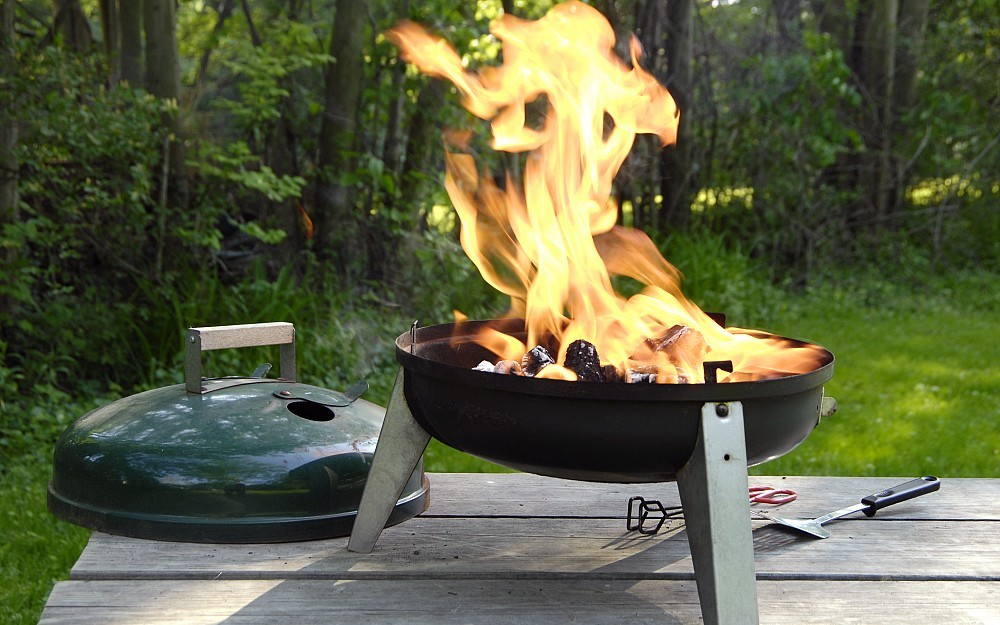
UC HEALTH LINE: Safety Precautions Help People Avoid Common Summer Burns

Kevin Bailey, MD, says most summer burn injuries involve the three Cs of outdoor activitiescooking, cars and campingand that people should take extra precautions when participating in these seemingly harmless activities.
The best advice is to use common sense, explains Kevin Bailey, MD, a UC associate professor of surgery and burn surgeon at
Burns occur when the skin and underlying tissue are damaged, not only by heat, but also by chemicals or electricity.
They are categorized by the temperature and duration of exposure endured by the skin. First-degree burns (for example, sunburn) result in reddening of the skin and pain. Second-degree burns (like scalds) cause blistering and are more painful, but usually heal within two weeks. Third-degree burns destroy all layers of the skin and often require skin graftingsurgical replacement of the dead skin.
Bailey suggests following the guidelines offered by the American Burn Association (ABA) for staying safeand burn freeduring the hot summer months:
To safely deal with an overheating car,
- Give the car time to cool before checking fluid levels. Radiator fluid, which is used to cool the cars engine, is hot enough to scald the skin in less than a second under normal conditions. When the car is overheated, that fluid can literally boil and explode under the increased heat and pressure.
To build a controllable campfire,
- Remove debris (grass and needles) within a 10-foot diameter of where you want to build your campfire.
- Create a fire circle out of rocks. This will help regulate rogue flames and extinguish ashes that flick off the fire.
- Dont use flammable liquid to ignite a fire or on hot coals. This can cause an explosion and body burns.
- Wear appropriate clothing around the fire. Avoid open-toed shoes and loose-fitting clothes, as both can increase your chances of being burned.
To safely cook grilled food,
- When charcoal grilling, wait several minutes after spraying charcoal with lighter fluid to ignite the coals. This allows explosive vapors to dissipate.
- Never add lighter fluid to already hot coals. This can cause an explosion.
- Store plastic lighters inside your home. The weather can cause the plastic to crack and leak flammable fluid onto outdoor surfaces.
- Keep a safe distance from the hot grilleven after the coals are extinguished. Charcoal can stay hot enough to burn the skin for 24 hours.
- When gas grilling, always check the fuel connections before lighting the grill. Never use a lighter to test where there is a leak. Instead, spray soapy water on the connections and look for bubbles to identify leaks.
- Clean the tubes that disperse gas under the grill. These tubes can collect debris and create gas blockages that lead to spontaneous explosions.
If you do experience a burn, Bailey says, you must first stop the burning process by removing clothes or jewelry that may help transmit the heat, and then cool the burned area by running coolnot coldwater over the area for several minutes. Last, cover the burn with a clean, dry cloth to soothe the area.
In general, the burn should be kept clean by washing it daily with soap and waterantibiotics usually arent necessary for minor burns, Bailey explains. But you should seek immediate medical attention for deeper burns and any burn that involves the face, hands, feet, major joints or genital area.
The
Adults can schedule appointments with Bailey at the
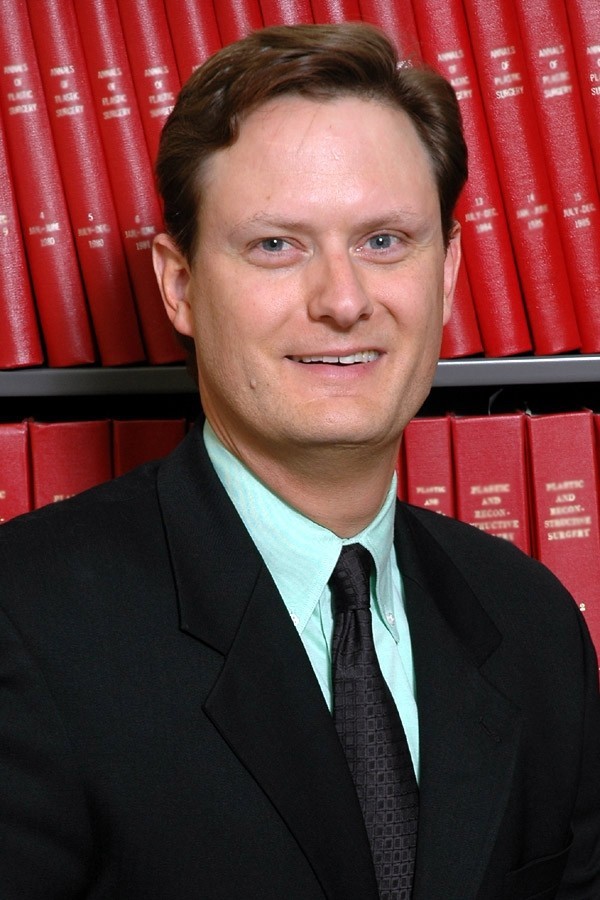
J. Kevin Bailey, MD, specializes in the care of adult and pediatric burn wounds.
Tags
Related Stories
UC radiation oncologist speaks with Local 12 news about clinical trial for head and neck cancer treatment
August 10, 2026

Dr. Sara Medek, a UC radiation oncology professor, speaks with Local 12 news about a new clinical trial aimed at reducing radiation in certain areas while still treating cancer effectively but with fewer painful side effects.
Cancer Center director charts future based on collaboration, AI
August 10, 2026

David Gius, MD, PhD, was featured in a Cincinnati Business Courier article and The Cancer Letter’s “The Directors" podcast discussing his priorities and goals as he recently took the helm as director of the University of Cincinnati Cancer Center.
Bidirectional link between oral, kidney health calls for patient education, access
August 4, 2026

Despite growing awareness of the connection between oral health and chronic health conditions, patient awareness and access to dental care remain limited, according to University of Cincinnati experts who recently spoke with Healio | Nephrology News & Issues.